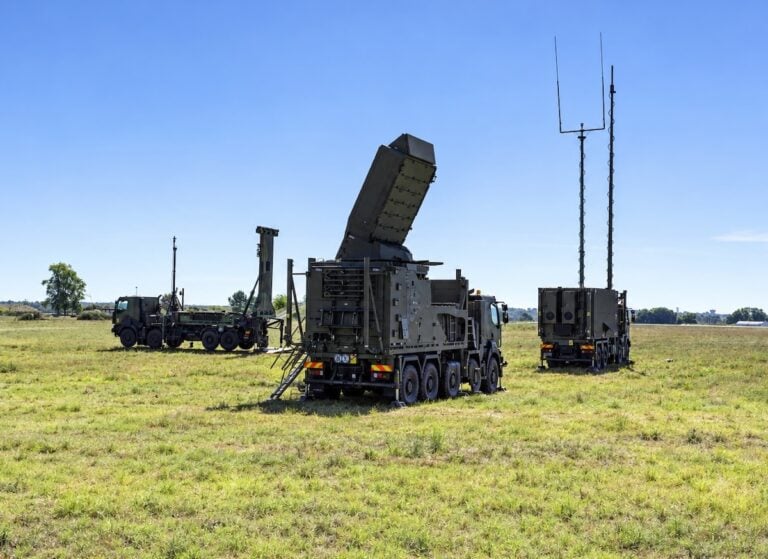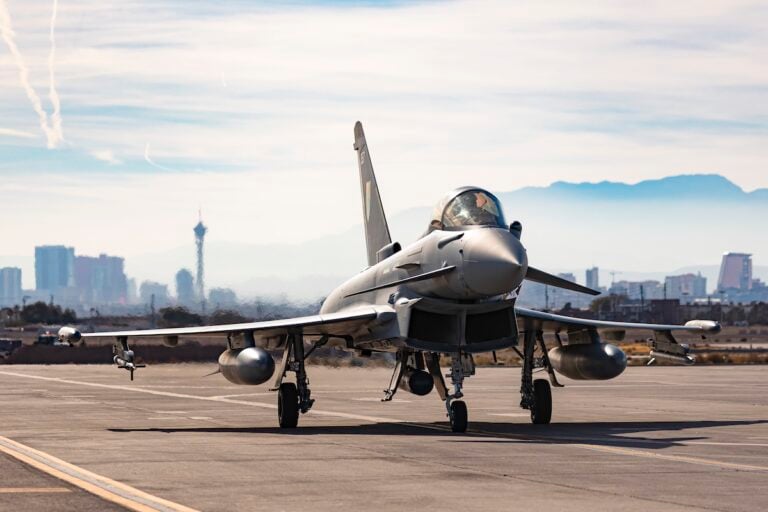
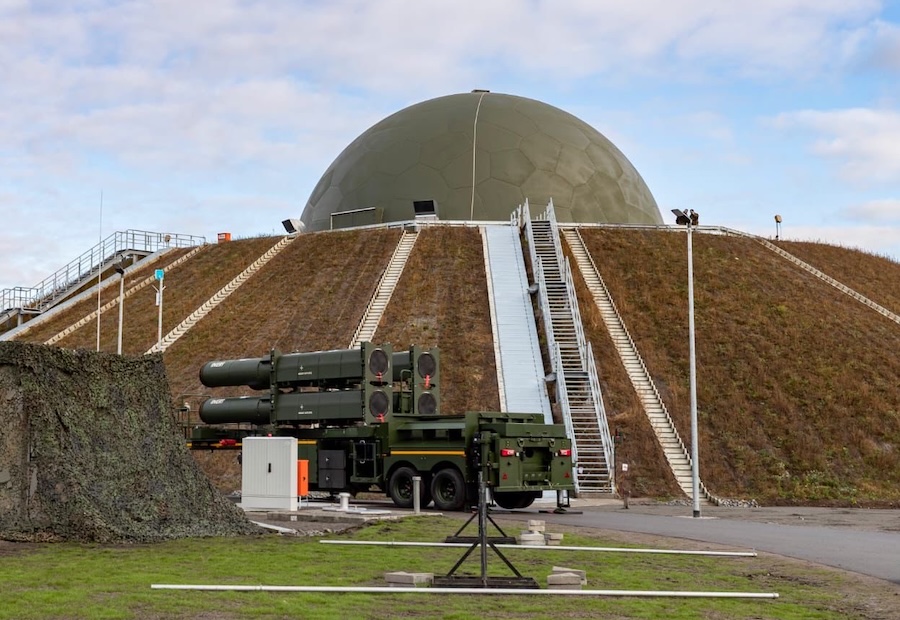
The new location will host another acquired Arrow 3 battery. It will include launch positions, a fire-control radar and technical support facilities.
Germany ultimately plans to build several Arrow 3 sites in different parts of the country. Together, they are intended to create a unified shield protecting the whole territory of the Federal Republic of Germany, including key military and civilian infrastructure.
The purchase of Arrow 3 is currently the largest export contract for Israel’s defence industry. The original agreement between Berlin and Israel was worth about $3.5 billion and covered three system sets.
In December 2025, the Bundestag approved about $3 billion in additional funding to expand the programme. The extra financing will allow Germany to buy more launchers and increase its stock of interceptor missiles.
The aim is to provide German air defence forces with a sufficient number of effectors in the event of a prolonged conflict. As a result, the total value of the programme has exceeded $6.5 billion.
The first Arrow 3 battery was delivered to Germany at the end of 2025 and deployed in Holzdorf. It was also the first permanent deployment of the system outside Israel.
The Bundeswehr is now expanding further Arrow 3 positions. These sites are intended to provide defence across the whole territory of Germany.
Arrow 3 was developed jointly by Israel and the United States to counter medium-range and intermediate-range ballistic missiles. Unlike Patriot missiles, the system intercepts targets outside the Earth’s atmosphere using the “hit-to-kill” principle, meaning direct kinetic destruction of an incoming missile.
This architecture allows threats to be neutralised much earlier than with lower-layer air defence systems. It increases the chance of successfully defending against longer-range missiles, which also have higher speeds in a key phase of flight.
Arrow 3 therefore forms the highest layer of Germany’s air defence system. Below it will operate Patriot batteries and the IRIS-T SLM systems that are currently being developed.
The significance of the programme goes beyond the defence of Germany itself. Berlin assumes that Arrow will become one of the most important elements of the developing European Sky Shield Initiative, strengthening protection not only for Germany but also for a large part of Central Europe.
Germany’s Arrow 3 programme also provides a point of reference for Poland’s air defence modernisation. Both countries are developing multi-layered air defence systems, but their priorities are different.
Warsaw has focused mainly on rebuilding capabilities it had largely lacked for years. This has meant parallel implementation of the Pilica+, Narew and Wisła programmes, covering protection against aircraft, helicopters, cruise missiles, unmanned systems and short-range ballistic missiles.
After these programmes are completed, Poland will have one of the most modern multi-layered and integrated air defence systems in Europe. At this stage, however, the highest missile defence layer, designed to intercept ballistic missiles outside the atmosphere, remains outside the scope of modernisation.
The article said this does not directly result from a failure to recognise the importance of such capabilities. Instead, it reflects the order adopted for rebuilding Poland’s air defence system, with priority given to systems able to counter the threats most often seen on the modern battlefield.
This does not mean that a similar capability will not be needed by Poland in the future. The expansion of Germany’s Arrow 3 system and the growing threat from medium-range and intermediate-range ballistic missiles could open a debate in the coming years on adding a fourth, exo-atmospheric layer to Poland’s air defence architecture.
For now, Poland’s priority remains completing the Wisła and Narew systems and bringing the already contracted elements of its air defence shield to full readiness. The German programme shows how the upper tier of missile defence can be developed once lower layers are already being expanded.
The development of strategic missile defence systems also creates new challenges. According to Israeli media cited in the article, an unidentified drone was detected over the first German Arrow 3 site, prompting work on additional protection systems against drones.
The incident shows that even the most advanced missile defence systems require their own layered protection. It also shows that such systems must be defended against far cheaper reconnaissance and attack assets.