
The scale of that demand was evident in RTX’s second-quarter 2026 earnings call. Raytheon booked nearly $20 billion of awards in the quarter, while Chief Executive Chris Calio said international demand for integrated air and missile defense systems remained “very strong.”
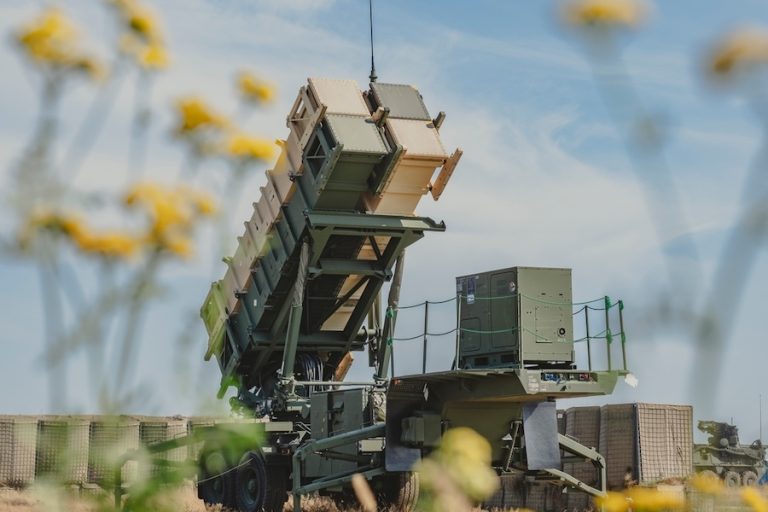
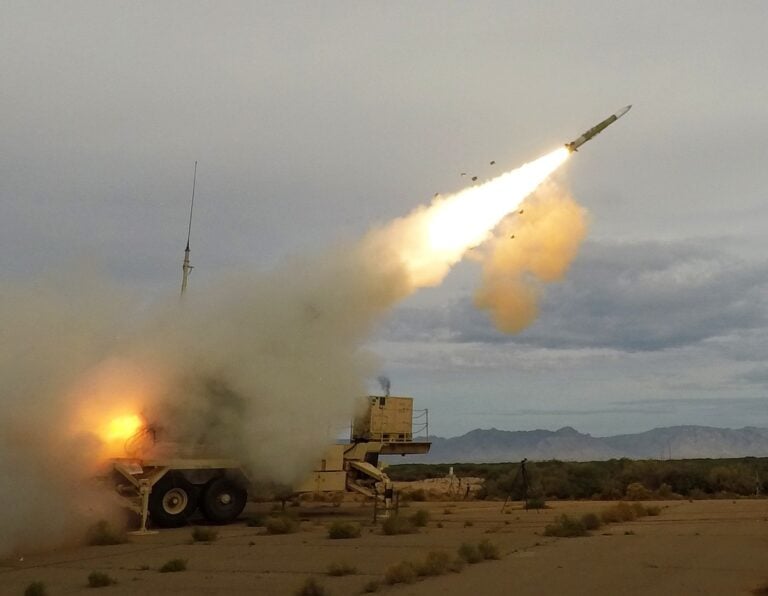
Patriot accounted for one of the largest disclosed awards. Raytheon booked more than $5 billion of GEM-T Patriot effectors, driven by international customers and the first domestic GEM-T production order in more than 30 years, Calio said.
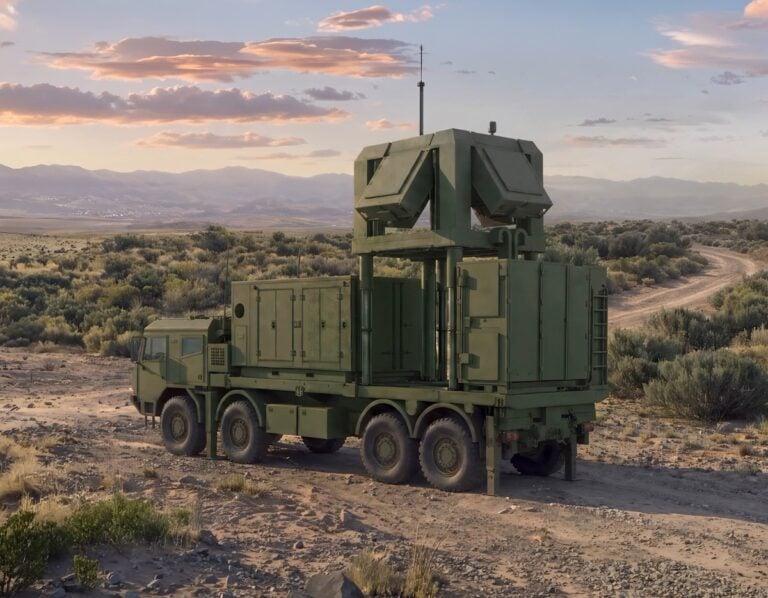
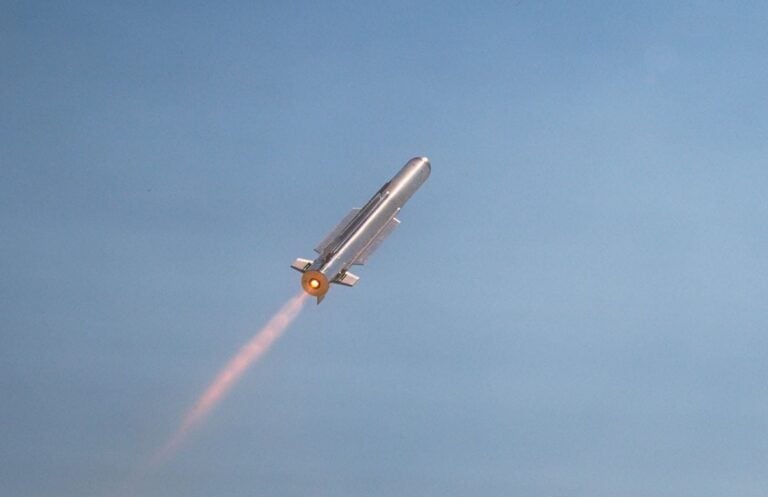
AMRAAM added another $1.8 billion of bookings. RTX also disclosed $1.1 billion of AIM-9X awards and approximately $800 million for LTAMDS during the quarter.
The orders are feeding directly into Raytheon’s financial performance. Second-quarter sales rose 18% to $8.3 billion, with higher volumes across land and air defense, naval programs, and air and space defense systems including Patriot, Standard Missile and AMRAAM.
Adjusted operating profit reached $1 billion, up $234 million from a year earlier. RTX attributed the increase to higher volume, improved productivity and a favorable program mix that included Patriot.
Raytheon ended the quarter with an $86 billion backlog after recording $19.9 billion of bookings. International programs represented 48% of that backlog, up four percentage points from a year earlier.
Europe is becoming an increasingly important part of that demand picture. Raytheon booked more than $10 billion of international awards in the first half of 2026, more than twice the year-earlier level, with more than $7 billion coming from European customers.
Calio said RTX is also benefiting from an established customer base in Europe and the Middle East. He pointed to rising NATO defense budgets and large European orders as additional sources of growth for the company’s international defense business.
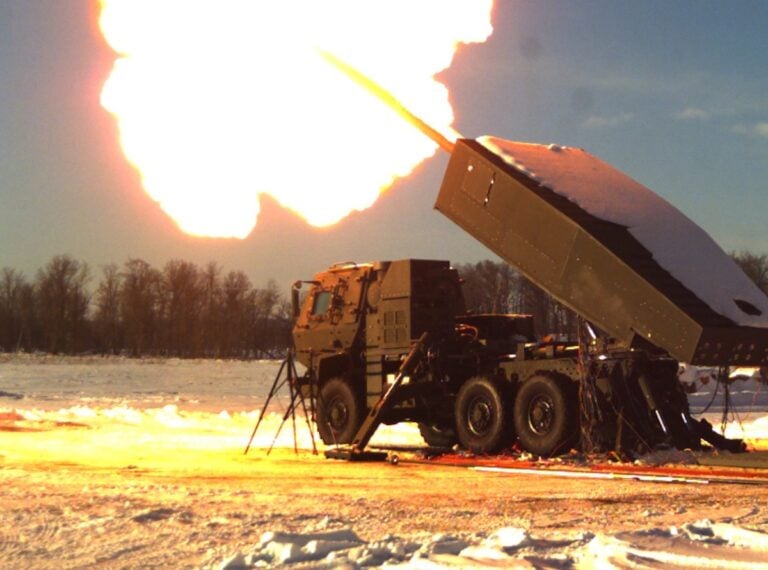
Operational use is reinforcing the demand signal, according to Calio. He cited effective intercepts involving Patriot, Coyote, AMRAAM, AIM-9X and the Standard Missile family in contested environments.
Washington could provide another layer of demand. Calio said the proposed $1.1 trillion U.S. base defense budget represented an increase of roughly 25% from a year earlier and included higher funding for RTX priority programs such as LTAMDS and Standard Missile.
He also pointed to bipartisan support in Congress for higher munitions production and multi-year procurement. Five framework agreements signed by RTX could generate significant demand over the next 10 years if they are converted into firm contracts and backed by the planned funding, Calio said.
That prospective business is not yet included in Raytheon’s backlog. RTX is nevertheless preparing suppliers for the production volumes, capacity requirements and investment that would be needed if the agreements become firm orders.
Production is already moving higher. Calio said Raytheon more than doubled output across its critical munitions programs during the first half of 2026, while production of the Coyote counter-UAS effector also more than doubled amid strong demand.
RTX is now putting additional capital behind that expansion. Raytheon is investing another $100 million in the United States to increase JMT component production and accelerate LTAMDS test capabilities, Calio said.
The supply chain is becoming as important to the growth story as the order book. Calio said RTX is investing in resilience, developing second and third sources in constrained areas and looking for manufacturers outside the traditional defense industrial base that could support higher production rates.
European industry is part of the same strategy. Raytheon is working with NATO countries to identify additional European suppliers for AMRAAM components, while Calio also cited Patriot co-production, partnerships with Kongsberg on NASAMS and with MBDA, and Polish suppliers supporting Patriot.
Calio said expanding that industrial base gives RTX more qualified sources and additional capacity to respond to international demand. It also gives the company a broader production footprint as allied governments seek both more systems and deeper industrial participation.
Long-term contracts may determine how quickly the next production increase can happen. Calio said a seven-year firm order would give suppliers enough visibility to invest in tooling and test equipment and hire workers before higher production rates are required.
Chief Financial Officer Neil Mitchill said RTX can fund new capacity for existing products while continuing to invest in new ones. Calio separately said maintaining adequate capacity and a healthy supply chain would remain a priority in the company’s capital allocation.
The mix is also helping Raytheon’s profitability. Calio said mature programs, improving material receipts and the high international share of backlog were supporting productivity and pricing as the business continued to expand margins.