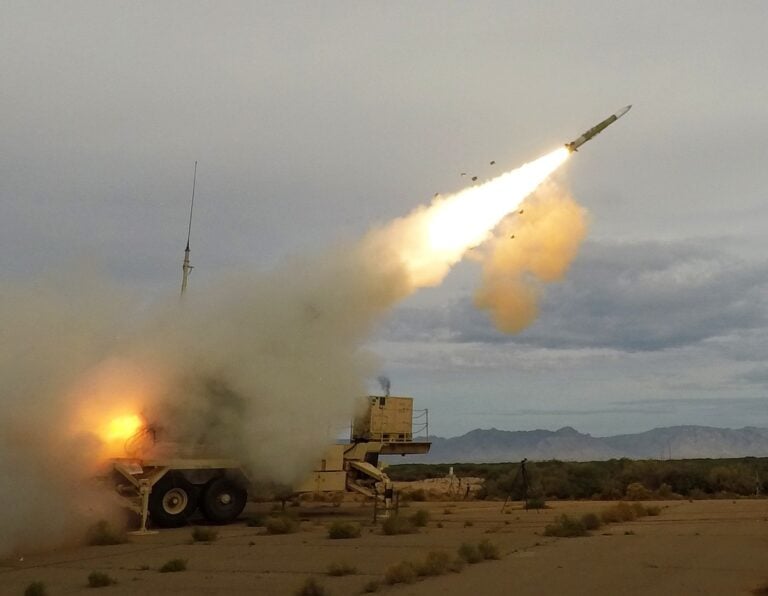
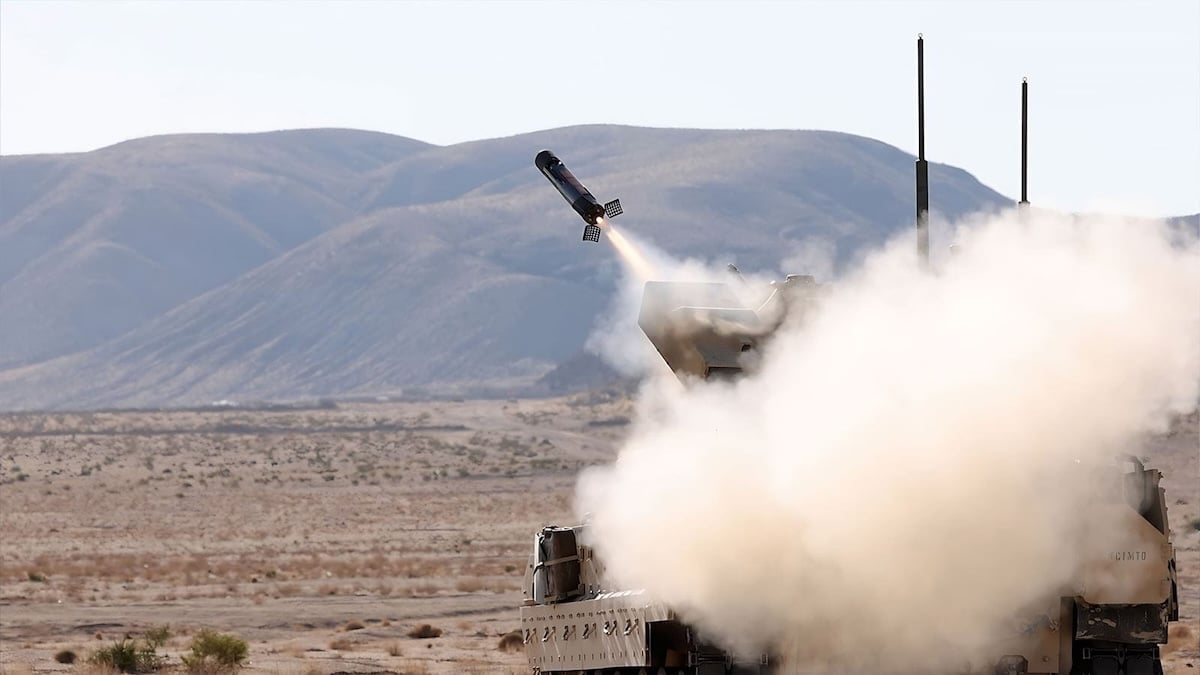
Both are components of the Army’s Low, slow, small, unmanned aircraft Integrated Defeat System, or LIDS. The contracts cover a mix of fixed-site and mobile configurations.
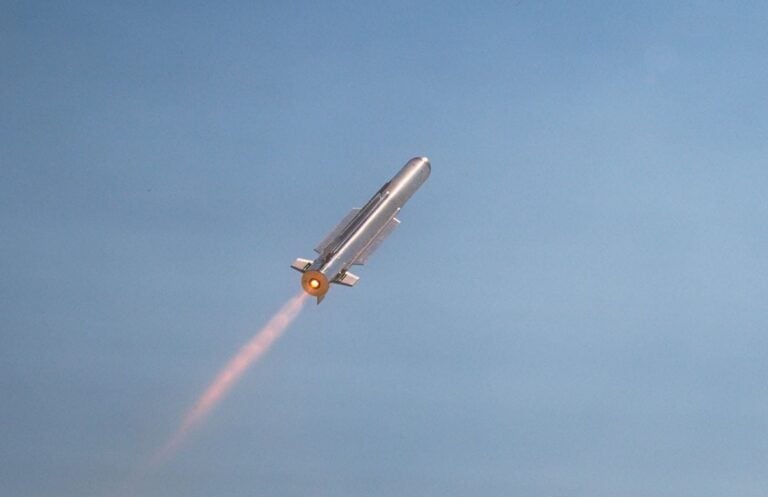
KuRFS provides 360-degree threat detection, while Coyote kinetic and non-kinetic effectors engage individual drones and swarms. Raytheon said Coyote has achieved hundreds of combat intercepts.
“LIDS provides a proven and cost-effective layer of defense that ensures allied forces have the protection they need against hostile drones,” said Tom Laliberty, president of Land and Air Defense Systems at Raytheon. “To stay ahead of rapidly evolving drone threats, Raytheon is accelerating production of the Coyote family of effectors — delivering a uniquely scalable, battle–tested solution that meets the surge in global demand.”
The awards reflect growing demand for dedicated counter-drone defenses, including kinetic weapons that destroy incoming aircraft. Russia’s war against Ukraine and the recent U.S.-Iran confrontation in the Gulf have demonstrated the need for this equipment.
Counter-drone systems serve both deployed forces and installations away from the battlefield. Their roles include protecting personnel, military bases, critical infrastructure and important government and civilian facilities.
Iranian drone attacks that damaged sites in U.S.-allied Gulf countries have added urgency to regional procurement. The scale of that damage has highlighted the need for sufficient quantities of counter-drone weapons to defend against repeated attacks.
RTX is investing in production capacity and new technology for the Coyote family. Upgrades include faster launch times, higher speeds and greater range at higher altitudes.
Raytheon did not disclose the quantities ordered or delivery schedules. It also did not provide a breakdown of the $729 million among the three customers.