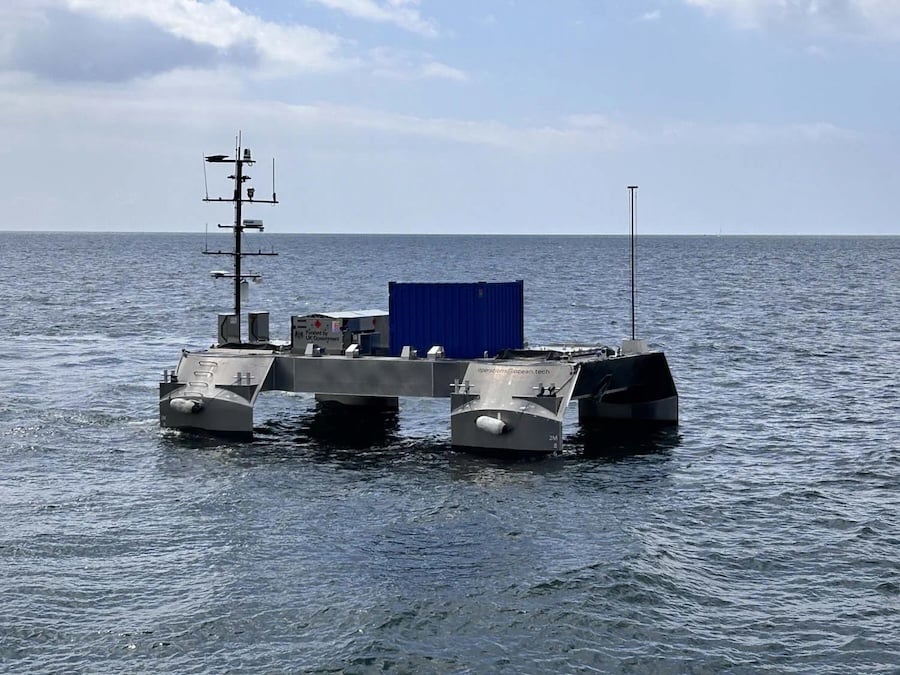
The Navy announced the framework at the International Sea Power Conference in Oslo and said it was due to be signed that day. Atlantic Net will combine uncrewed patrols, underwater sensors and artificial intelligence to detect submarines and other suspicious activity near shipping routes, communications cables and energy networks.
The Navy will run the network as a single surveillance service, bringing together maritime systems, underwater sensing, communications, remote operations and data services. The aim is to give submarine-hunting warships and Astute-class submarines earlier warning of threats and a clearer picture of what is happening below the surface.
“The threats beneath the North Atlantic are changing, and we are changing with them,” said Luke Pollard, minister for defence readiness and industry. “This investment gives the Royal Navy new technology to find threats earlier and protect our critical infrastructure, while also backing British business.”
Atlantic Net is part of Atlantic Bastion, the Navy’s plan to operate crewed and uncrewed vessels together, as recommended in the UK’s Strategic Defence Review. Working with NATO and Joint Expeditionary Force allies, the Navy aims to keep watch over a wider area for longer and protect underwater infrastructure against interference and sabotage.
Pollard linked the investment to Britain’s wider deterrence plans. “It shows that we’re getting on with the job of investing in our Armed Forces and strengthening our deterrence under the sea, to support our ultimate, nuclear deterrent.”
The Navy said the framework would support almost 200 new skilled jobs and Ocean Infinity Solutions’ immediate supply chain. Ministry of Defence spending with industry already directly supports 38,700 jobs in South East England.