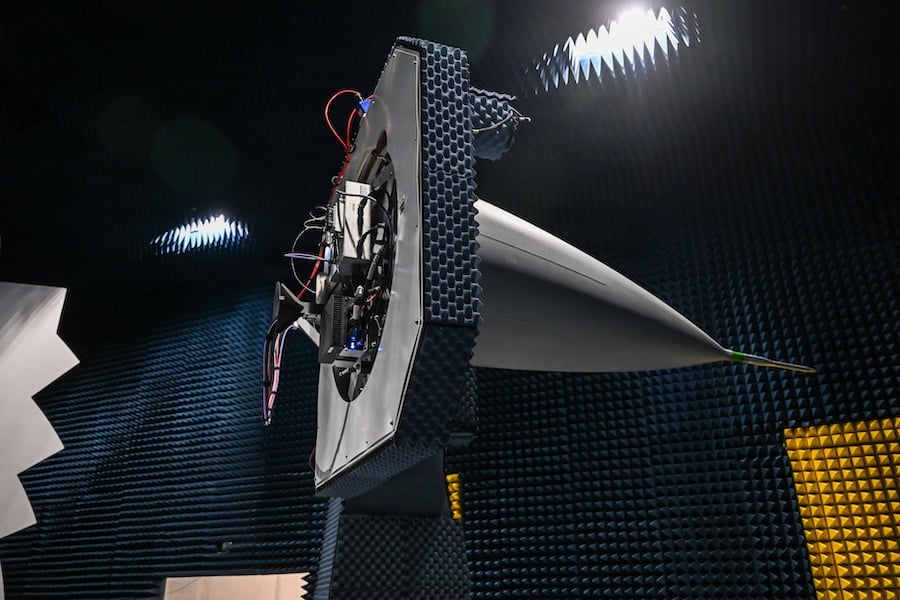
The squadron’s radio-frequency shop tests about 160 antennas and 70 radomes a year. The upgrades replaced obsolete equipment and gave the shop more capacity when workloads surge, Sellers said.
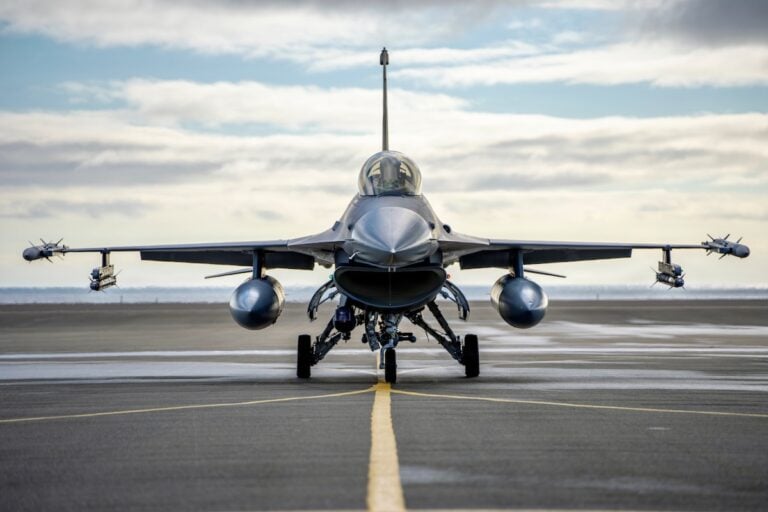
The F-16’s fire-control radar sends and receives signals through the radome, the protective cone covering the antenna at the front of the jet. If either component is faulty, the radar can lose detection and tracking range, show false returns or put a target in the wrong place, Sellers said.
“The radome is not just a fiberglass cover; it is a highly engineered electromagnetic window,” Sellers said. “Even tiny, invisible physical flaws (such as moisture intrusion, micro-cracks, composite delamination, or improper paint thickness) will act like a dirty lens, refracting or absorbing radar waves.”
The shop uses the Nose Radome Electrical Test System to find out whether the radome weakens or distorts signals, faults that can make it harder for pilots to maintain a track, lock on to a target or use radar-guided weapons accurately. The Fire Control Radar Antenna Test System checks how precisely the antenna points its beam, as well as its radiation pattern, sidelobe levels and ability to transmit and receive signals.
A radome can go through robotic coating removal, structural repair, resurfacing and precision painting before it reaches the test station. Technicians diagnose and repair antennas separately, then check them at a specialized station before the final antenna test.
More than four decades after the F-16 entered Air Force service, the fleet still relies on those depot tests to verify that repaired radar components work as designed. “By pairing unmatched craftsmanship with modernized test systems, our technicians ensure that every radome and antenna returning to the flightline delivers the clear, uncompromising radar picture our warfighters depend on,” said Dan Marcom, the squadron’s director.