The company’s latest overview presents operational experience and established technology as the foundation for that work. Lockheed Martin is pursuing upgrades to existing systems alongside new interceptors designed to fill gaps in layered air and missile defense.
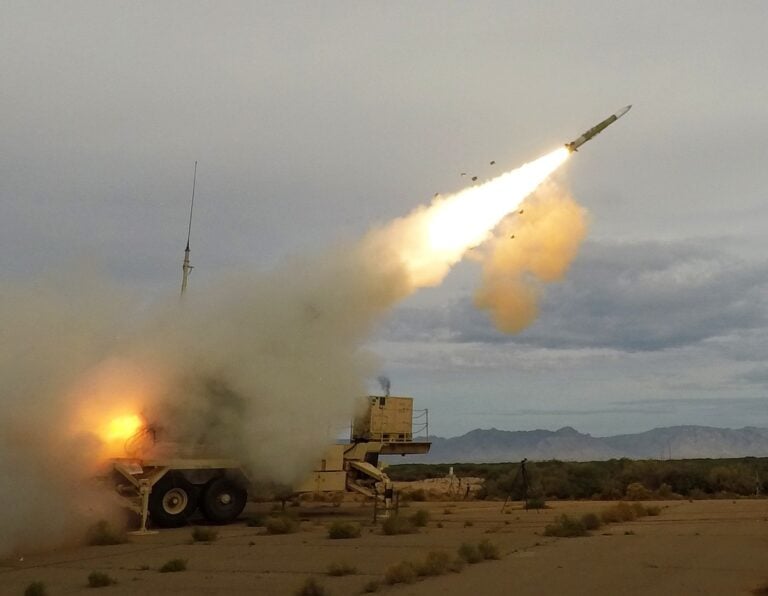
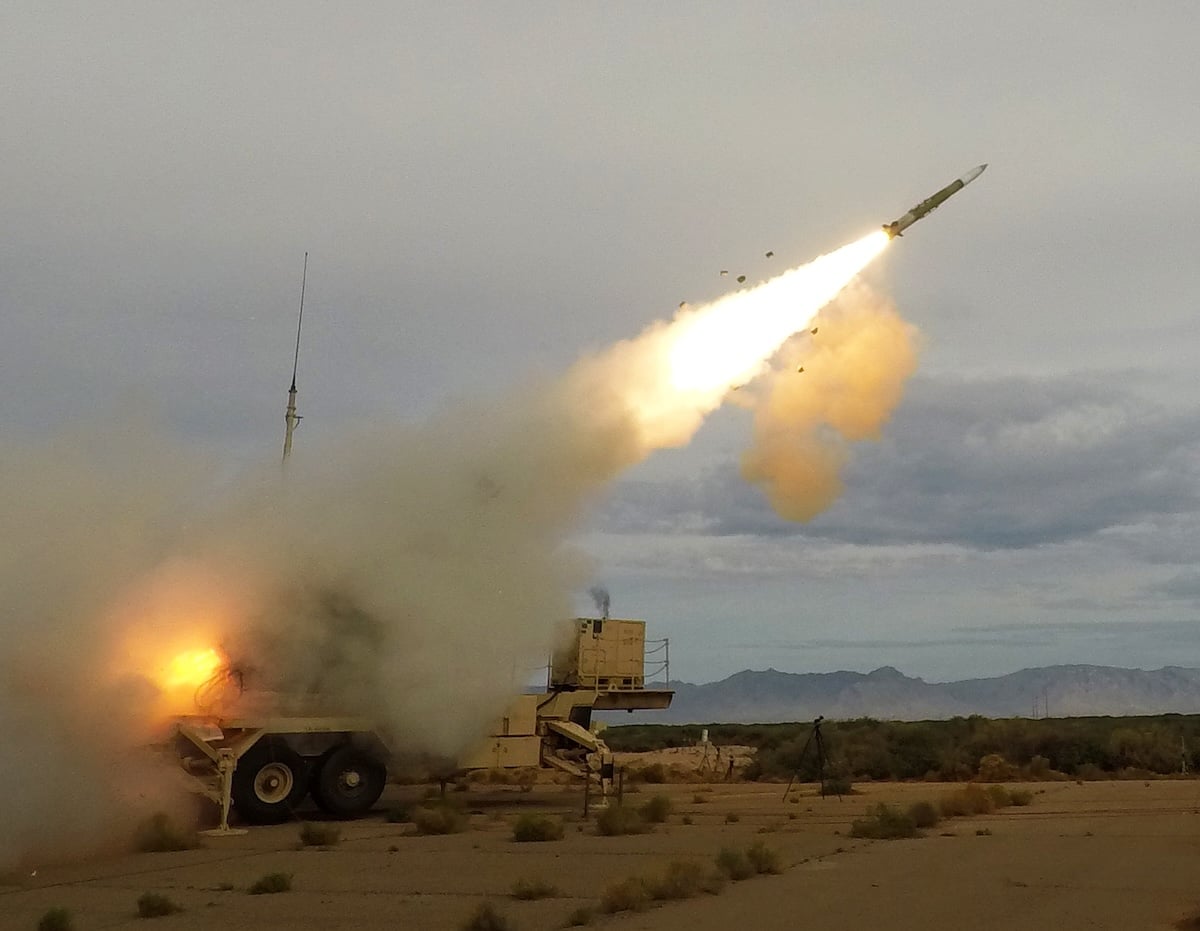
PAC-3 MSE is a fielded interceptor designed to counter aircraft, missiles and emerging hypersonic threats. It uses hit-to-kill technology to destroy targets through direct impact.
In a recent flight test, PAC-3 MSE intercepted an airborne target while integrated with the Army’s Integrated Battle Command System and Lower Tier Air and Missile Defense Sensor. Lockheed Martin said the test brought the service closer to a 360-degree engagement capability.
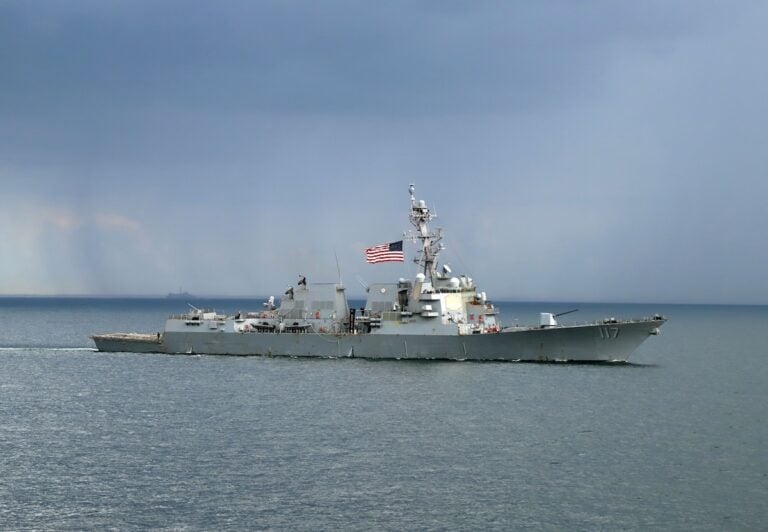
The U.S. Navy has also awarded a contract to integrate PAC-3 MSE into the Aegis Weapon System. That effort would extend the interceptor’s integration into maritime defense.
Lockheed Martin and the U.S. government signed a framework agreement earlier this year intended to triple PAC-3 MSE production capacity over seven years. The company said a $53.86 billion government contract awarded in July would accelerate production.
The manufacturer is working with government and suppliers to streamline processes and expedite deliveries. It said demand from American and allied forces is increasing.
THAAD provides terminal-phase defense against ballistic missiles, intercepting threats inside and outside the atmosphere. Lockheed Martin said operational engagements have supplied data demonstrating effectiveness against threats beyond the system’s original requirements.
The company continues to improve THAAD’s interoperability and battery-level capabilities, including integration of PAC-3 MSE. It said IBCS connects THAAD to the Army’s broader air-defense picture, giving commanders greater awareness and more engagement options.
Lockheed Martin is developing PAC-3 ACE, or Adapted Capability Effector, as a complementary interceptor for American and allied forces. The company said it is designed to counter a range of air and missile threats for less than half the unit cost of PAC-3 MSE.
PAC-3 ACE uses existing PAC-3 MSE technologies, components and test data. Lockheed Martin said this approach would shorten flight-test cycles and accelerate fielding.
The company introduced PAC-3 Edge on October 12 as its entry in the Army’s Future Interceptor competition. It builds on PAC-3 MSE and incorporates a new seeker, advanced propulsion and control-system upgrades for engagements at higher altitudes and longer ranges.
Lockheed Martin is advancing development and testing toward residual operational capability by 2031. PAC-3 Edge is intended to complement PAC-3 MSE and THAAD against air, missile and hypersonic threats.
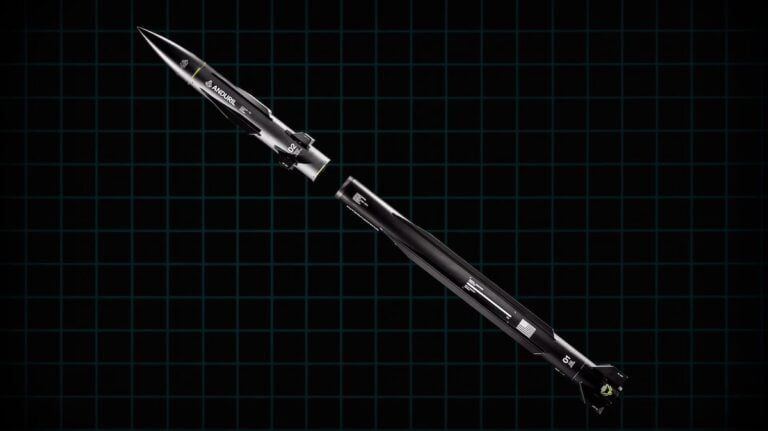
Lockheed Martin is offering QuadStar for the Army’s Next-Generation Short-Range Interceptor program to replace Stinger. Its design combines advanced optics, a high-speed interceptor and a networked architecture, with intended engagement ranges exceeding those of the legacy system.
The company is also participating in the Integrated Fires Protection Capability second-interceptor program. The Army awarded it an Other Transaction Authority project agreement late last year for work intended to fill the gap between short-range air defense and Patriot.