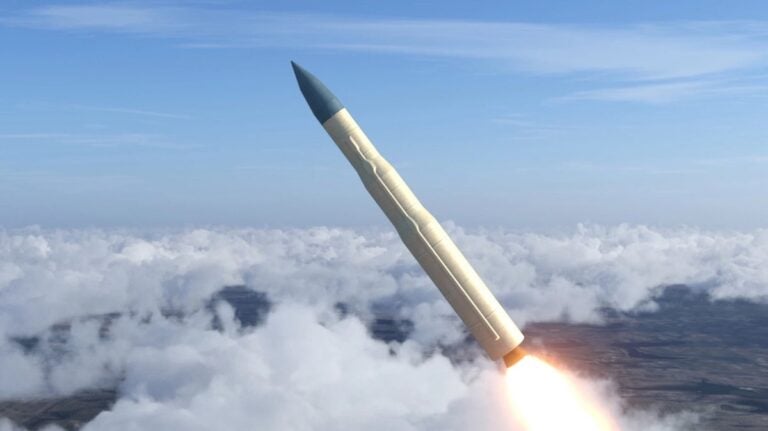
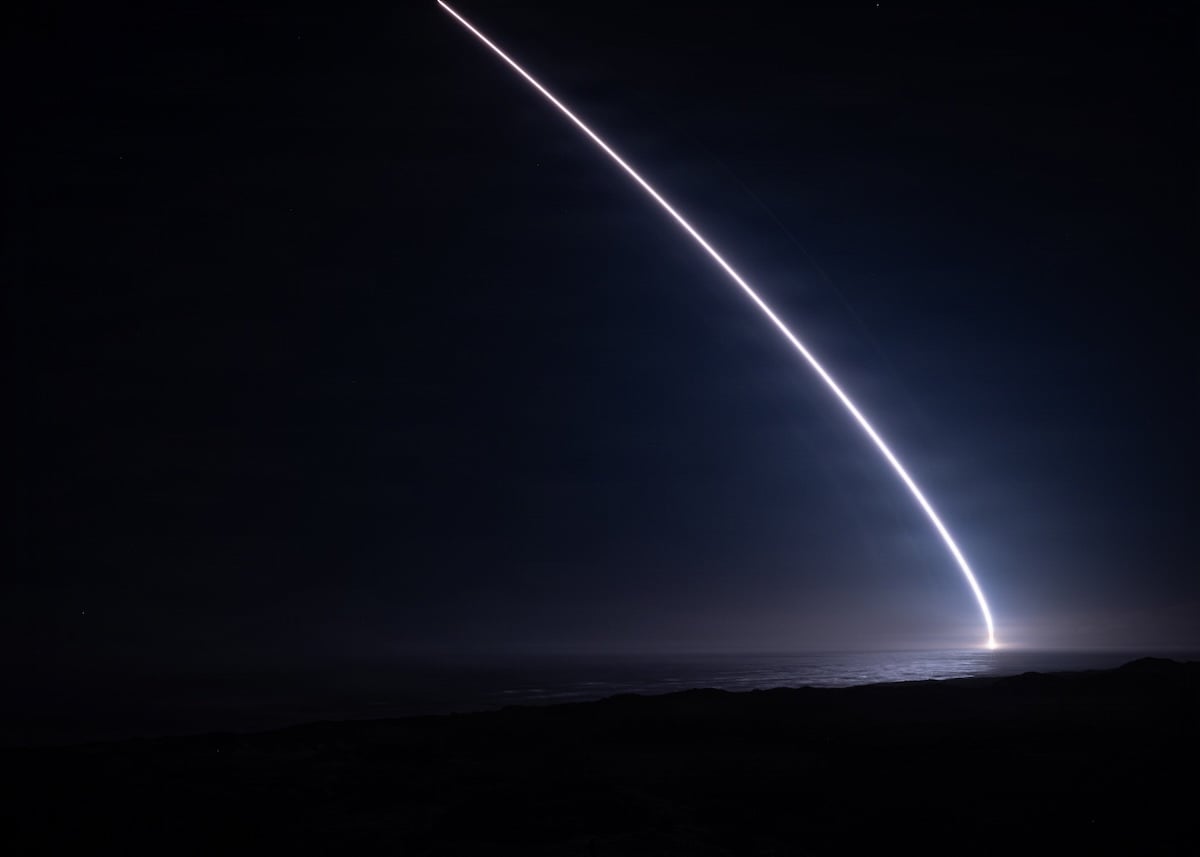
The Mk21A upgrades the legacy Mk21 and will serve as the front-end payload for the nation’s future intercontinental ballistic missile system. Its development forms part of the modernization of the land-based leg of the U.S. strategic nuclear triad.
Lockheed Martin said the flight demonstrated the maturity of the vehicle’s architecture and validated next-generation reentry technologies. The program is being carried out under a prime military contract worth more than $1 billion.
Engineers will use the latest flight data to refine the design and plan further tests as the program moves toward its system-level Critical Design Review. The company is combining results from successive tests with high-fidelity modeling and simulation to shorten development schedules, improve efficiency and reduce technical risk.
“Testing is a stringent requirement in modernized defense programs, but more importantly, it’s the engine that drives maturity and reliability,” said Jason Watson, Lockheed Martin’s vice president of Strategic Reentry Programs. “Building on flight data from our prior tests, we are directly translating real-world experience into program momentum, ensuring the Mk21A reentry vehicle delivers uncompromised performance for the Air Force.”