The deals give RTX’s Raytheon business demand visibility for close to a decade as it commits to building more capacity. Chairman and CEO Chris Calio said the company is now in the execution phase, ordering equipment and getting its supply chain ready for higher production over the next seven to 10 years.
“That’s all in about $70 billion in combined value that provides Raytheon almost a decade of demand visibility,” Calio said on RTX’s Oct. 20 earnings call. “Obviously critical, not only for us but for our supply chain, as we seek to take these rates up anywhere from 2x to 4x.”
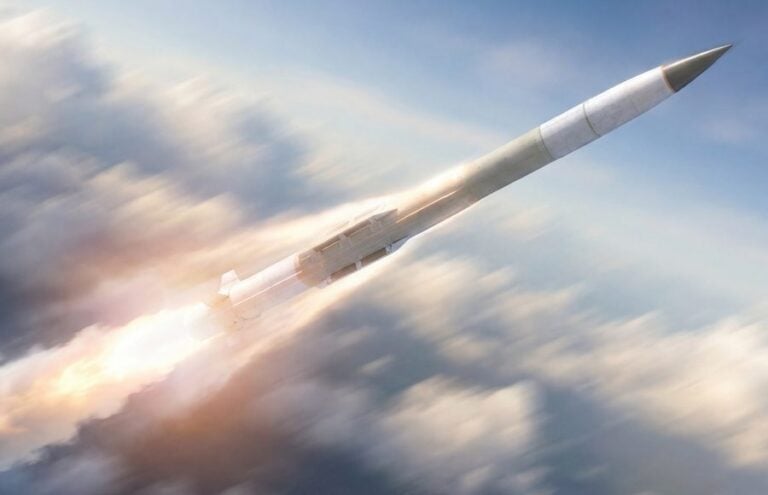
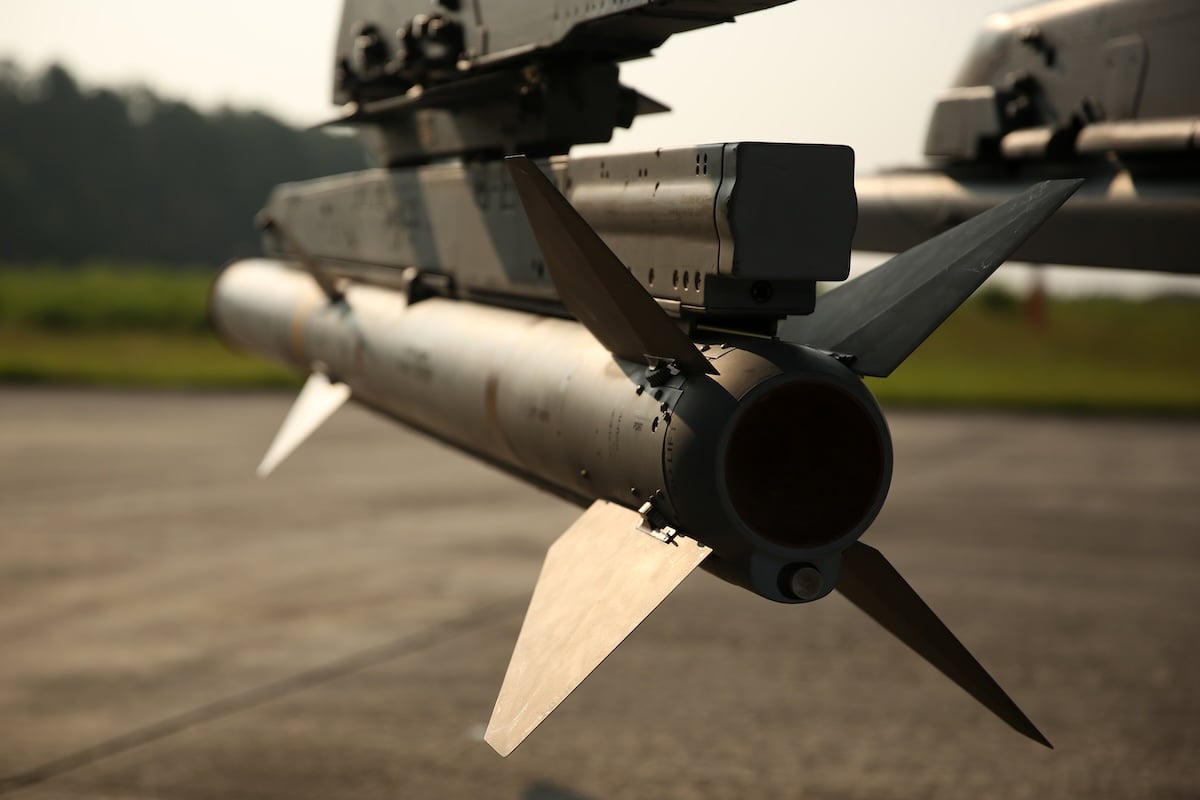
In the third quarter, RTX booked roughly $23 billion for Tomahawk and more than $14 billion for AMRAAM after framework agreements for both missiles were turned into multiyear production contracts. The SM-6 and SM-3 IB contracts were signed earlier this month and will show up in fourth-quarter bookings.
Calio described all four as binding undefinitized contracts that include terms on pricing and delivery schedules. Management did not say how many missiles will be built each year or how much production will rise for each weapon.
“Now we’ve shifted into the execution phase, lining up the supply chain, putting up POs for tooling and test equipment, all the things we need to do to make that rate,” Calio said. Raytheon is also working with the Department of Defense to simplify testing requirements, make the missiles easier to manufacture, deal with obsolete parts and qualify more suppliers.
Chief Financial Officer Neil Mitchill said the contracts brought in a small amount of revenue in 2026, and more is expected in 2027 as work on capacity moves forward. He expects the ramp-up to accelerate over the next two years and continue until 2030, when the company plans to reach full-rate production across all four munitions.
RTX will make capital and other investments under the contracts over the next two to three years. Because revenue is recognized as costs are charged to the programs, sales and profit will grow during that period, before full-rate production is reached.
According to Mitchill, the contracts use a funding structure designed to protect free cash flow in the early years. Calio said safeguards against shifts in government budgets and order volumes were central to the negotiations, and gave RTX the confidence to go ahead with the investments.
“What I will say is that we are protected if there are changes in the budgetary environment and changes in volumes,” Calio said. He would not go into the details but said he expects the company’s critical munitions to remain a funding priority.
The expansion comes after Raytheon’s output of critical munitions rose by more than 90% so far this year, helped by better material flow and higher productivity. Raytheon brought on 150 new suppliers in 2025, and Calio said clearing bottlenecks is still the most urgent task.
Mitchill said how quickly production grows will depend partly on how defense budgets develop over the coming months. Calio also acknowledged that RTX competes with other industries for some supplies, and said the company is working with the government to secure the components and critical minerals it needs to build more missiles.