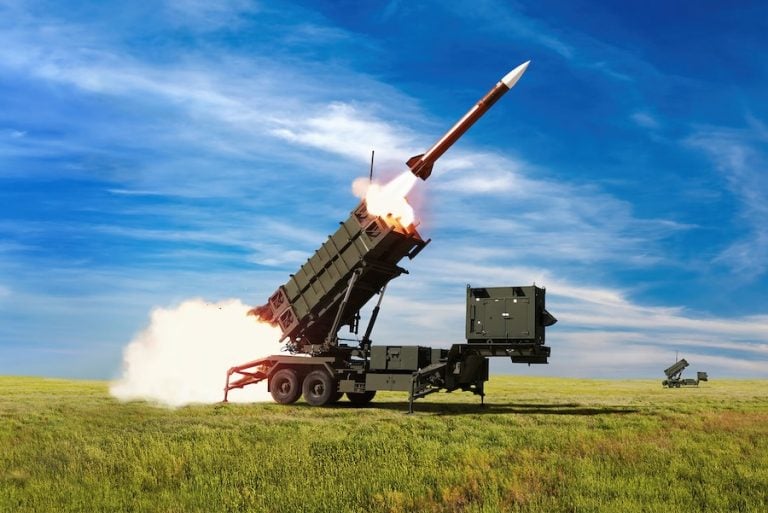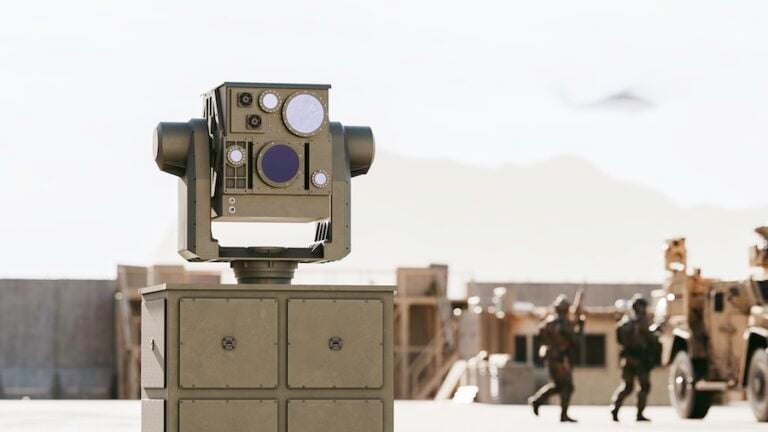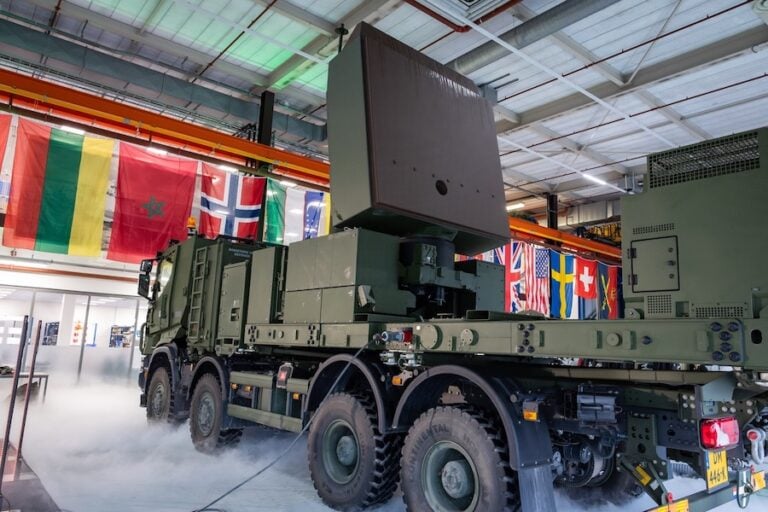

Congress could use defense authorization and appropriations bills to back a limited or more extensive system, with potential trade-offs for other defense programs. Hearings and administration briefings could give lawmakers a chance to ask how Golden Dome fits into U.S. reviews of nuclear and missile defense policy.
The United States has long relied on the threat of retaliation to deter a nuclear attack on its homeland. As Washington faces the prospect of two nuclear peers, the report revisits a longstanding concern that missile defenses could give an adversary more reason to build up its arsenal or use nuclear weapons first in a crisis.
Russia and China said in a joint statement in May 2025 that Washington was pursuing Golden Dome to undermine their ability to retaliate after a nuclear attack. The report cites U.S. intelligence assessments that China’s growing nuclear arsenal poses a direct threat to the United States.
Russian officials have long argued that U.S. defenses could expand beyond regional threats such as North Korea and Iran and weaken Russia’s ability to strike back. In 2018, Russian President Vladimir Putin announced that Russia had new nuclear weapons designed to counter U.S. missile defenses.
Congress could use intelligence briefings to track when and how Moscow and Beijing respond, including changes to their nuclear forces, new countermeasures and shifts in military doctrine or operational plans. Lawmakers could also consider expanding existing reporting requirements on Russian-Chinese nuclear cooperation to cover coordination on missile defense and efforts to counter space capabilities.
Trump has expressed interest in nuclear arms control with both countries, and the report says Congress could ask how Golden Dome would figure in any talks. Lawmakers could also assess how arms control might affect U.S. deterrence strategy and nuclear and missile defense programs.
The report traces the issue back to the Cold War, when the Johnson and Nixon administrations concluded that defenses against a large-scale Soviet nuclear attack were infeasible. In 1972, the Senate voted 88–2 to consent to ratification of the Anti-Ballistic Missile Treaty, which restricted the development and deployment of missile defenses, and approved a separate agreement limiting strategic ballistic missiles.
President Ronald Reagan proposed using space-based defenses to intercept Soviet strategic missiles under his 1983 Strategic Defense Initiative. In the talks that led to the 1991 Strategic Arms Reduction Treaty, Soviet leaders sought to keep Washington in the Anti-Ballistic Missile Treaty and limit U.S. space-based defenses.
The United States and Russia agreed to further cuts in strategic nuclear forces under the 2002 Moscow Treaty as Washington withdrew from the Anti-Ballistic Missile Treaty. Russian negotiators also sought legally binding guarantees that U.S. missile defenses would not be aimed at Russia’s strategic nuclear forces.
The preamble to the 2010 New START treaty acknowledged a relationship between strategic offensive and defensive weapons. The U.S. Senate’s resolution consenting to ratification stated that the treaty placed no restrictions on U.S. missile defenses.
Go deeper: Golden Dome: Potential Strategic Stability Considerations for Congress (Report).