
The approach reflects a shift in the defense market from maintaining industrial capacity to producing sophisticated weapons at far greater scale. For Lockheed Martin, the immediate task is to translate a record backlog into deliveries while controlling costs, protecting schedules and strengthening a supply chain still facing shortages and long lead times.
Missile demand reshapes investment priorities
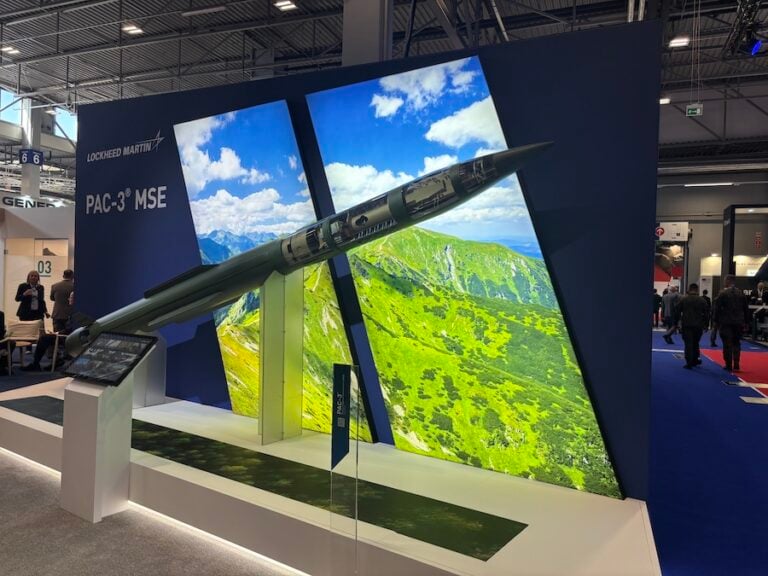
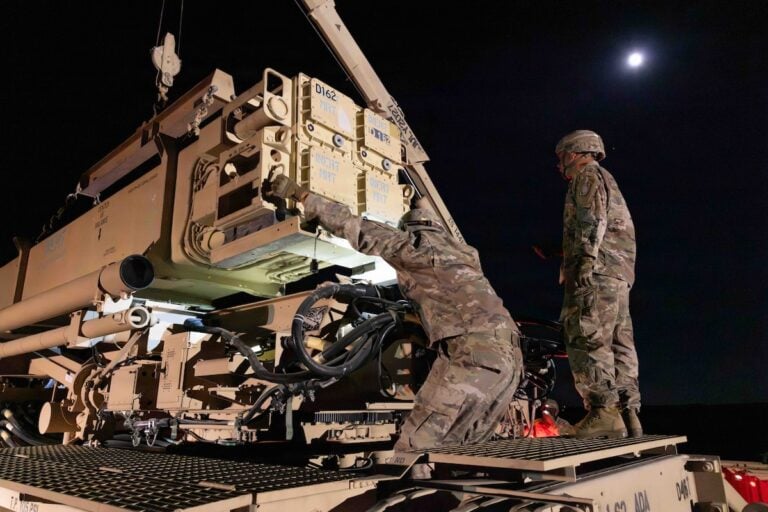
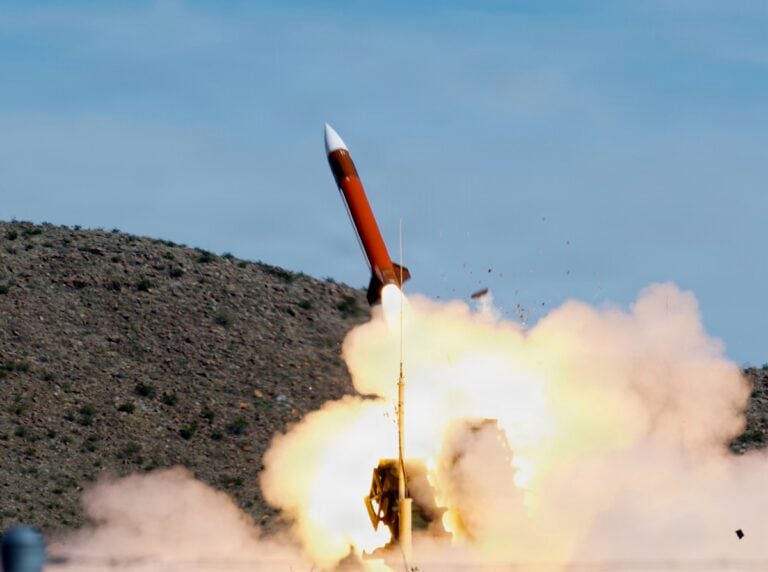
Lockheed Martin is expanding production across several of its most heavily demanded missile programs, including PAC-3 Missile Segment Enhancement, Terminal High Altitude Area Defense, Joint Air-to-Surface Standoff Missile and Long Range Anti-Ship Missile. It is also increasing activity across precision-strike and long-range fires programs designed for US and allied forces.
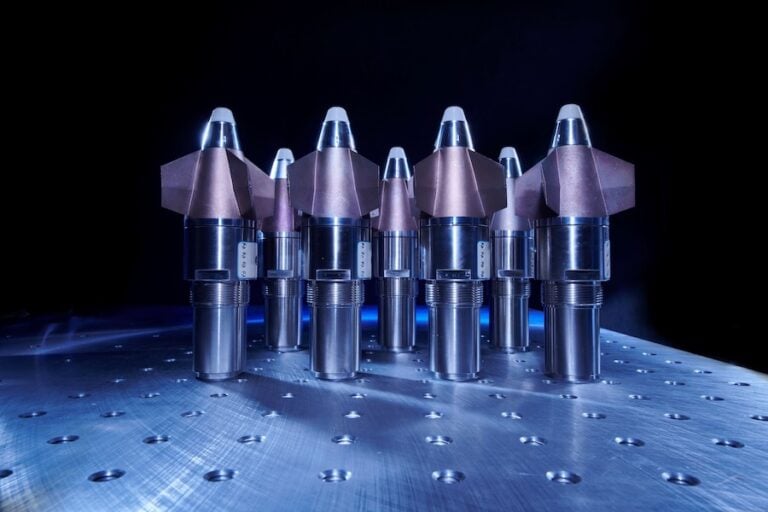
Long-term agreements with the Department of War call for Lockheed Martin to triple PAC-3 MSE production and quadruple THAAD output. Those plans give the company greater visibility to invest in manufacturing capacity, equipment and suppliers over a longer period.
The expansion is intended to support new demand while helping replenish US and allied inventories consumed in recent years. Lockheed Martin is working with government customers, international partners and its supplier network to increase capacity and prepare for requirements that may continue well beyond current conflicts.
“We are maintaining sharp focus on operational execution—holding ourselves accountable for cost, quality and schedule, while strengthening supply chain resilience and expanding production capacity,” Chairman, President and Chief Executive Officer James D. Taiclet said. That emphasis places factory performance and supplier stability alongside technological capability as measures of success.
Lockheed Martin depends on an extensive network of specialized manufacturers for materials, components and subsystems. Shortages, inflation, longer lead times and restrictions affecting rare-earth minerals, advanced microelectronics, titanium, specialty steel and other materials remain potential constraints on its production plans.
The company is therefore treating supply-chain resilience as a strategic issue rather than a short-term procurement problem. Its response includes closer work with government agencies and suppliers to secure compliant sources and reduce vulnerabilities across multiple tiers of the industrial base.
F-35 remains central to the air-power business
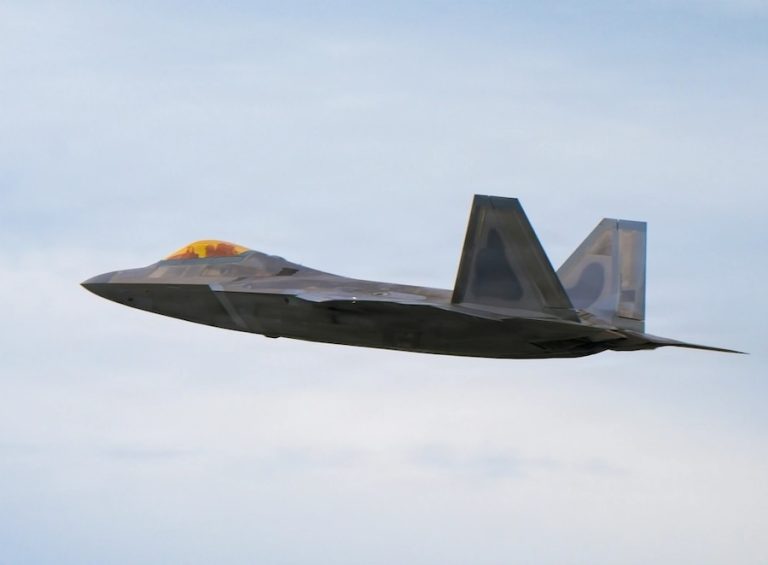
The F-35 continues to anchor Lockheed Martin’s combat-aircraft strategy, supported by US procurement plans and demand from international partners and Foreign Military Sales customers. The company expects production to continue well into the future while development shifts toward modernization and responses to emerging threats.
Block 4 enhancements sit at the center of that effort, alongside improved sensors, electronic warfare systems and data links. Lockheed Martin is also focusing on aircraft readiness, delivery performance and lower life-cycle costs to protect the program’s long-term position.
The strategy extends beyond upgrades to the aircraft itself. Lockheed Martin is working toward an air-combat architecture in which the F-35 and F-22 operate with autonomous aircraft connected through resilient communications and shared mission data.
The company said an F-22 pilot controlled an autonomous drone from the cockpit for the first time, marking progress in the integration of crewed and uncrewed systems. That work supports a broader effort to add autonomous platforms without replacing the advanced combat aircraft already forming the core of US and allied air fleets.
Skunk Works is advancing future crewed and uncrewed aircraft while drawing on concepts informed by sixth-generation development. Its work also covers hypersonic technologies, intelligence and surveillance, situational awareness, advanced networking and air mobility.
Lockheed Martin is using those technologies to improve existing aircraft while preparing for future competitions and mission requirements. The objective is to keep established platforms relevant while building the systems expected to operate alongside them in future conflicts.
Golden Dome creates an integrated growth opportunity
Homeland defense is another major investment priority, with Lockheed Martin positioning capabilities from several business areas for the planned Golden Dome architecture. Its portfolio spans interceptors, radars, satellites, combat-management systems and command-and-control technologies.
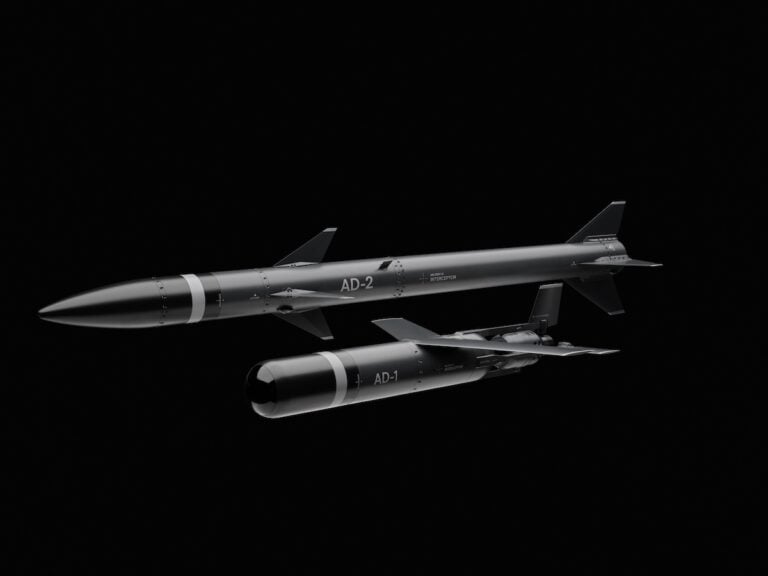
PAC-3 MSE and THAAD provide land-based interception capabilities, while Aegis contributes sea- and land-based missile defense. The Next Generation Interceptor, space-based missile-warning systems and the Long Range Discrimination Radar extend that portfolio into strategic and space-enabled defense.
The US Space Force has accepted the Long Range Discrimination Radar for operations, making it available for ballistic missile defense. Lockheed Martin views the radar and its other systems as potential elements of Golden Dome and similar homeland-defense architectures pursued by US allies.
This breadth allows the company to compete for work across several layers of an integrated defense network rather than through a single weapon. It also gives Lockheed Martin a reason to connect technologies developed by its Aeronautics, Missiles and Fire Control, Rotary and Mission Systems, and Space businesses.
Recent operations in the Middle East provided the company with an example of that model in practice. Lockheed Martin said F-35 and F-22 fighters supported Operation Midnight Hammer, while Patriot interceptors protected US personnel in a region also supported by THAAD and Aegis.
The strategic value lies in integrating platforms that were developed for different missions and operated by different military services. Lockheed Martin wants to provide the sensors, effectors and command networks needed to turn those platforms into a coordinated defensive architecture.
Autonomous systems move ahead of formal requirements
Lockheed Martin is also changing when it begins investing in new products. Instead of waiting for a formal military requirement, the company is using internal funding to advance selected systems that it believes address emerging operational needs.
The U-Hawk autonomous aircraft, Vectis uncrewed combat aircraft and Common Multi-Mission Truck are prominent examples of that approach. Each was advanced before the release of formal customer requirements, allowing Lockheed Martin to demonstrate technology earlier in the acquisition process.
The strategy aligns with Pentagon efforts to shorten development cycles and bring new capabilities into service faster. It also exposes Lockheed Martin to greater responsibility for deciding which technologies will attract government demand and progress into production.
Commercial partnerships are intended to reduce some of that development burden and accelerate access to technologies created outside the traditional defense sector. Lockheed Martin is working with Meta, IBM, NVIDIA, Verizon and other companies to integrate commercial capabilities into military platforms.
Artificial intelligence, autonomy, open architectures and advanced networking are central to this work. Lockheed Martin sees them as tools for connecting forces across operational domains and making military formations more agile and adaptable.
Digital overhaul reaches the factory floor
The technology strategy is accompanied by an internal overhaul of Lockheed Martin’s engineering, manufacturing and business systems. The multiyear 1LMX initiative is intended to establish common digital processes across a company built around four large and historically distinct business areas.
“Through our 1LMX initiative, we are driving enterprise-wide modernization—adopting advanced digital tools, harnessing artificial intelligence, improving speed and affordability, and enhancing our ability to deliver best-value solutions at the pace required to stay ahead of the threat landscape,” Taiclet said. The initiative links Lockheed Martin’s digital investment directly to its ability to execute complex programs faster and more consistently.
Missiles and Fire Control has introduced the first release of new enterprise resource planning and manufacturing execution systems under 1LMX. That deployment provides a foundation for extending the technology to other parts of the company.
The intended result is a more connected organization with greater visibility across engineering, procurement and production. For a company expanding several weapons programs simultaneously, those systems are designed to improve coordination between program teams, factories and suppliers.
Allied production becomes part of the operating model
Lockheed Martin’s international strategy is moving beyond the export of weapons built in the United States. The company is pursuing co-production agreements that connect American programs with manufacturing capacity in allied countries.
These arrangements may include local manufacturing, technology transfers, domestic sourcing and other industrial participation commitments. Lockheed Martin says they can strengthen allied industrial capacity while improving interoperability and production efficiency.
The model responds to governments seeking greater domestic involvement in defense purchases and more secure access to weapons during periods of high demand. It also broadens the industrial base available to support common systems used by the United States and its partners.
Lockheed Martin identifies expanded international operations as one of its main strategic priorities, alongside digital transformation and industrial resilience. The company plans to use co-production to reinforce US and allied manufacturing rather than treat foreign production solely as an offset obligation.
Closer cooperation with customers and Congress forms the domestic side of the same strategy. Lockheed Martin is seeking acquisition reforms and longer-term procurement structures that provide the stability required for investment in facilities, workforce and suppliers.
Portfolio decisions support the transformation
Lockheed Martin remains prepared to reshape its portfolio through acquisitions, divestitures, joint ventures and equity investments. The company is focusing on transactions that complement existing programs or provide access to new customers and technologies.
The acquisition of Amentum’s Rapid Solutions business added space- and airborne-mission capabilities, including intelligence, surveillance and reconnaissance technologies. Those assets now sit within Lockheed Martin’s Space business and broaden its position in national-security missions.
Workforce investment is another part of the transformation because production growth and digital modernization require specialized technical skills. Lockheed Martin is using recruitment, internships, university partnerships, training and security-clearance sponsorship to strengthen its pipeline of engineers, scientists and information technology professionals.
“Every investment decision is guided by our mission to provide decisive capability to our customers, and by our focus on growing the business and delivering shareholder value in 2026 and beyond,” Taiclet said. The company’s capital approach combines higher investment in production and technology with continued discipline in selecting programs and shaping its portfolio.
Lockheed Martin’s strategy ultimately connects two different parts of the defense market: mature systems required in greater quantities and emerging technologies intended to change how future forces operate. Its success will depend on whether it can expand output, manage program risk and move internally funded concepts into operational service without losing control of cost and schedule.
The strategy is detailed in the Lockheed Martin Corporation 2025 Annual Report, including Taiclet’s letter to shareholders and the company’s annual regulatory filing. The document describes the priorities guiding Lockheed Martin across Aeronautics, Missiles and Fire Control, Rotary and Mission Systems, and Space.