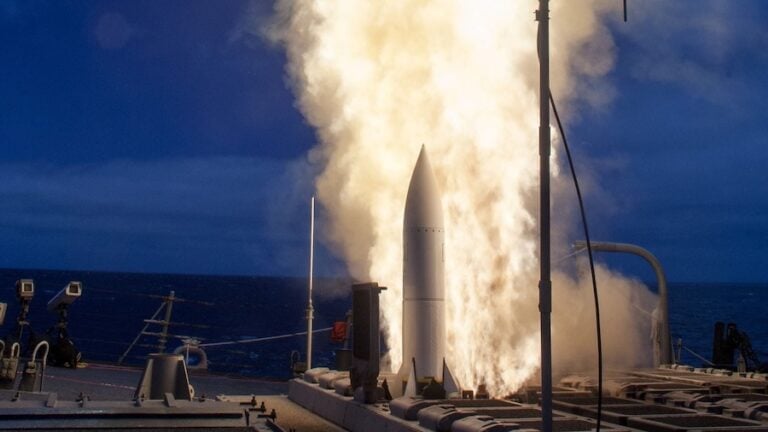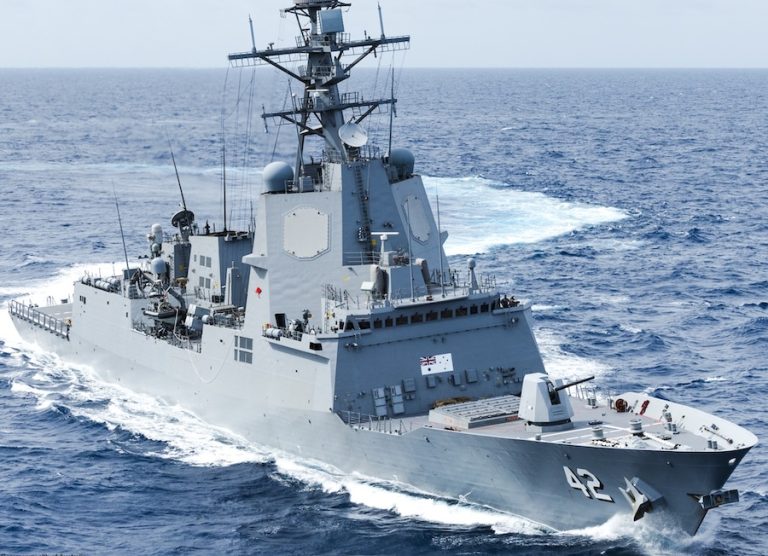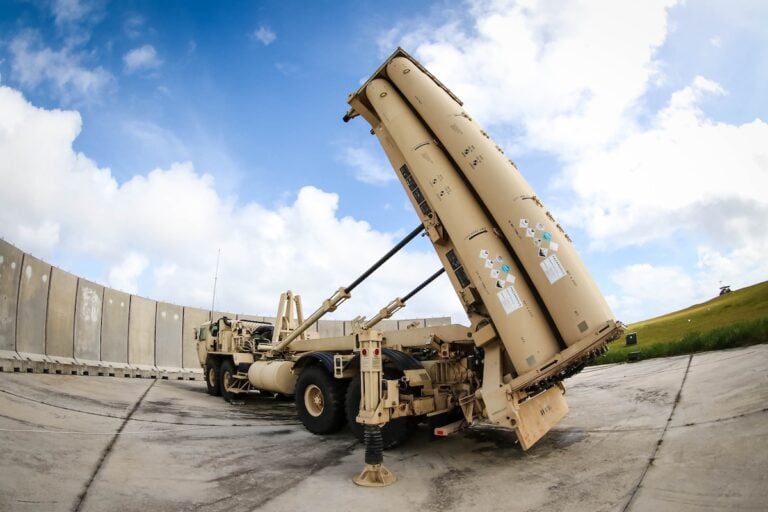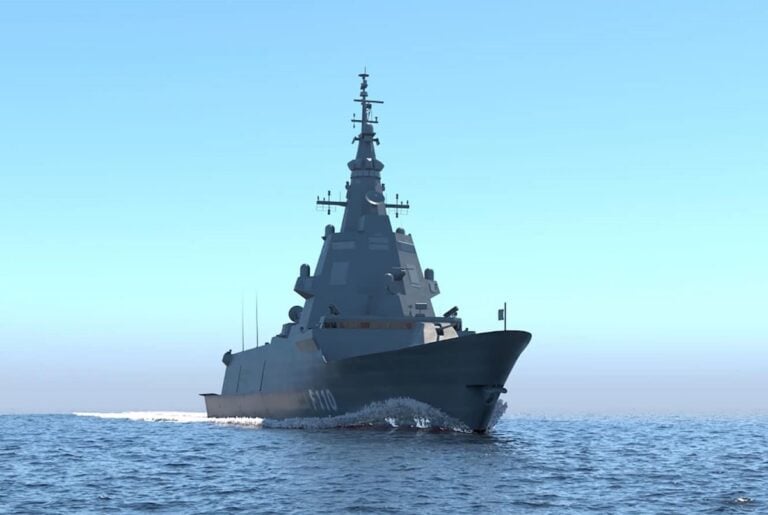
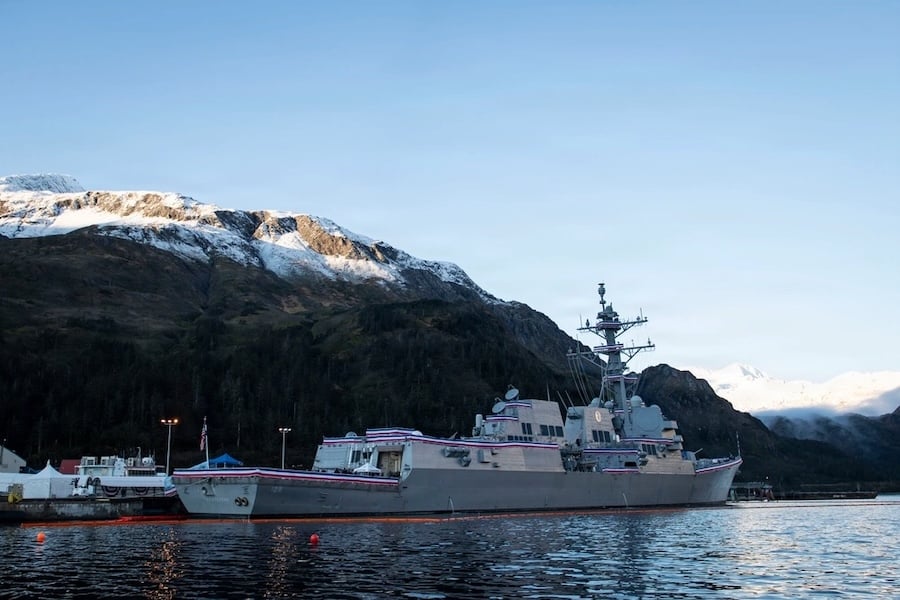
The Navy describes the combination as a generational advance in integrated air and missile defense. The destroyer incorporates enhanced electrical power distribution and expanded cooling capacity to support operations in high-threat environments alongside joint and coalition forces.
Flight III systems strengthen fleet capability
The commissioning adds a destroyer designed to support the Navy’s missions to secure contested sea lanes, deter aggression and project naval power worldwide. Following post-commissioning operations, USS Ted Stevens will transit to its permanent homeport in Norfolk, Virginia.
“Today, USS Ted Stevens is no longer preparing to join the fleet. Today, Ted Stevens is the fleet,” said Acting Secretary of the Navy Hung Cao.
Cao said the ship stood ready to defend the homeland, deter aggression and fight when called upon. His remarks focused on the crew’s role in bringing the destroyer into commissioned service.
Commissioning connects Alaska with naval service
The ship honours the late Senator Ted Stevens, a decorated World War II Army Air Forces pilot who served in the U.S. Senate from 1968 to 2009. The ceremony’s location recognised Alaska’s maritime significance and its longstanding partnership with the Navy.
Stevens flew hazardous transport missions over “The Hump” in the China-Burma-India theater in support of the 14th Air Force. He received two Distinguished Flying Crosses and two Air Medals before returning home and helping secure Alaska’s statehood in 1959.
During his Senate career, Stevens advocated for military modernisation, national security and improved conditions for service members. The destroyer’s motto, “Lead with Courage,” reflects his wartime service.
The ship’s sponsors—Catherine Ann Stevens, Susan Stevens Covich and Lily Stevens Becker—gave the traditional order, “Man our ship and bring her to life!” The crew then ran aboard, manned the rails, set the first watch and brought the ship’s combat systems to full operational status.
“I am deeply honored and proud to be your sponsor, along with my mother and sister Susan,” said Lily Stevens Becker. “As you wake up every day, know that we and every person here believe in you to take care of this ship, take care of each other, and to uphold the peace and safety of our nation.”
Norfolk homeport follows commissioning operations
The Navy said the Whittier ceremony highlighted its presence in high-latitude environments and its commitment to homeland defense and the protection of maritime routes. The event also invoked “Woosh-Jee-een,” a Tlingit phrase meaning “working together” or “pulling together,” to reflect the partnership between the Navy, the Stevens family, the crew and Alaska.
“We are ready to answer our nation’s call,” said Capt. Mary Katey Hayes, commanding officer of USS Ted Stevens. “We are ready to defend freedom, whether the winds of war blow near the rugged coast of Alaska, or in the far reaches of the globe.”
The Navy presented the commissioning as part of its Golden Fleet initiative to sustain capability delivery for continuous forward operations. From its Norfolk homeport, USS Ted Stevens will support worldwide deployments with its integrated air and missile defense systems.