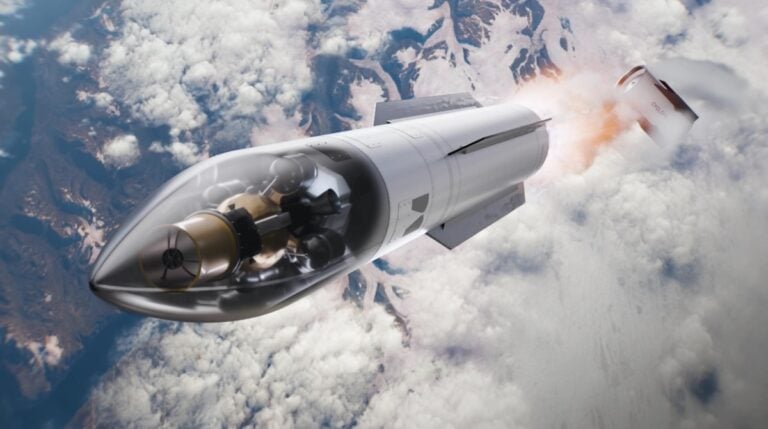
The proposed package includes up to 10,000 Advanced Precision Kill Weapon System II guidance sections in air-to-air and air-to-ground configurations. Fitted to 70 mm rockets, the modules enable precision engagements against both airborne and surface targets.
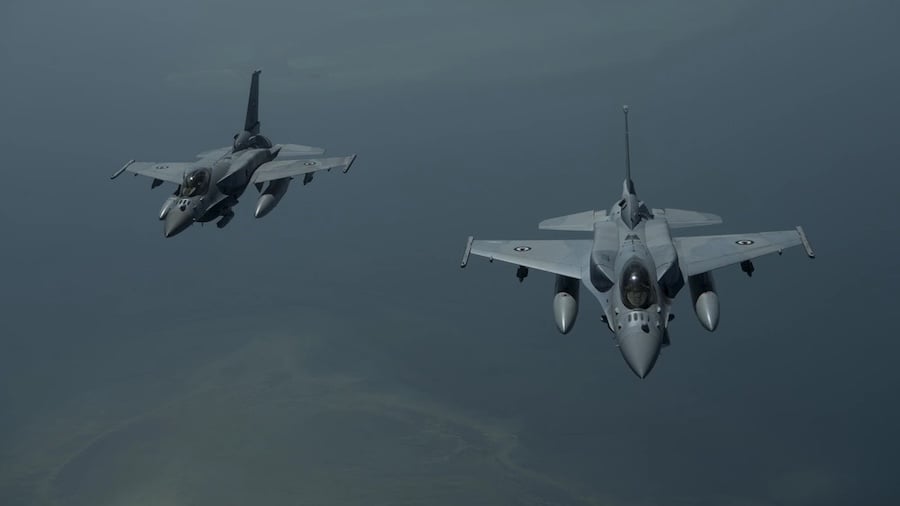
The weapons could equip UAE military aircraft, most likely its F-16E/F fighters. Their introduction would give those aircraft an additional means of engaging drones without relying solely on more expensive weapons.
The package also covers Mk 152 high-explosive fragmentation warheads, Mk 66 rocket motors and proximity fuzes. Training warheads and motors, documentation, and engineering, technical, logistics and training support are also included in the potential transaction.
The approval allows the proposed purchase to proceed through the U.S. government-to-government sales process. It does not represent a finalized contract.
APKWS II is particularly effective against unmanned aircraft, including jet-powered drones, and can also engage cruise missiles. Its combination of precision and relatively low cost makes it suited to counter-drone missions.
Interest in the BAE Systems weapon has grown sharply since the outbreak of this year’s armed conflict in the Persian Gulf. The UAE’s planned acquisition follows a larger proposed purchase by Saudi Arabia.
Saudi Arabia intends to conclude a government-to-government agreement for APKWS II, following U.S. State Department approval in July. That potential sale covers 20,000 APKWS II systems and is valued at nearly $2 billion.
Italy also plans to arm its Eurofighter Typhoon aircraft with APKWS II. The planned integration is intended to provide a cost-effective weapon for intercepting drones.