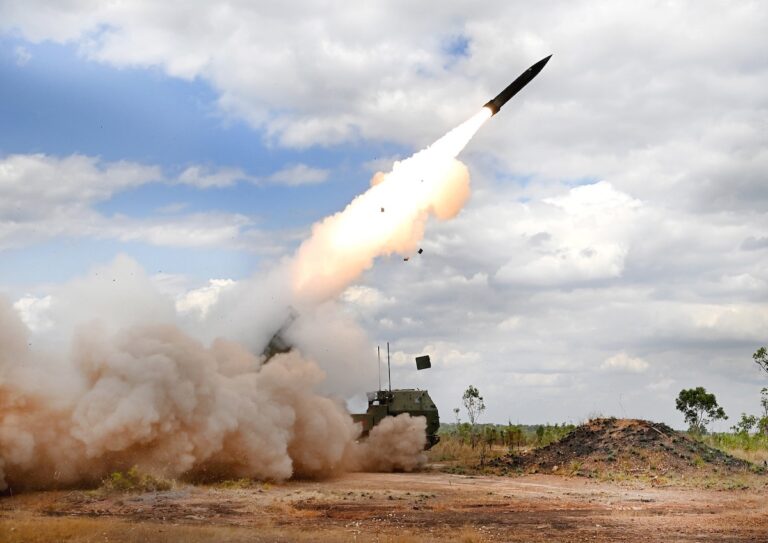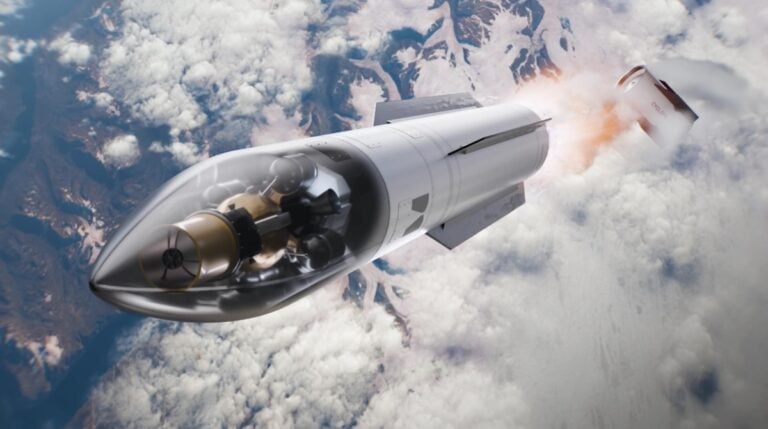
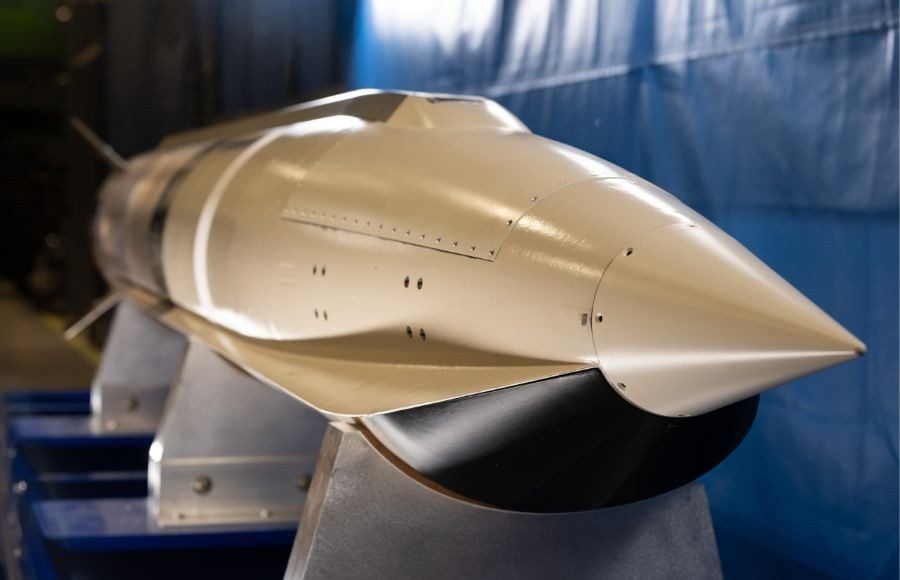
The design uses an advanced propulsion system supplied by L3Harris, which Lockheed Martin says would roughly double the standoff range of baseline PrSM. The company is developing prototypes while investing in the propulsion, sensors and manufacturing processes needed to support the longer-range weapon.
“Warfighters need precision strike capabilities that can reach farther and give them more options when the mission demands it,” said Randy Crites, vice president of Lockheed Martin Advanced Programs. Increment 4 is designed to retain Increment 1’s transport container and fire-control interface.
“As we compete for the PrSM Increment 4 program, we are bringing together a proven missile foundation and strong industrial base to rapidly develop and demonstrate prototypes that meet the moment. We’re proud to step up to this challenge and bring the right capability forward.”
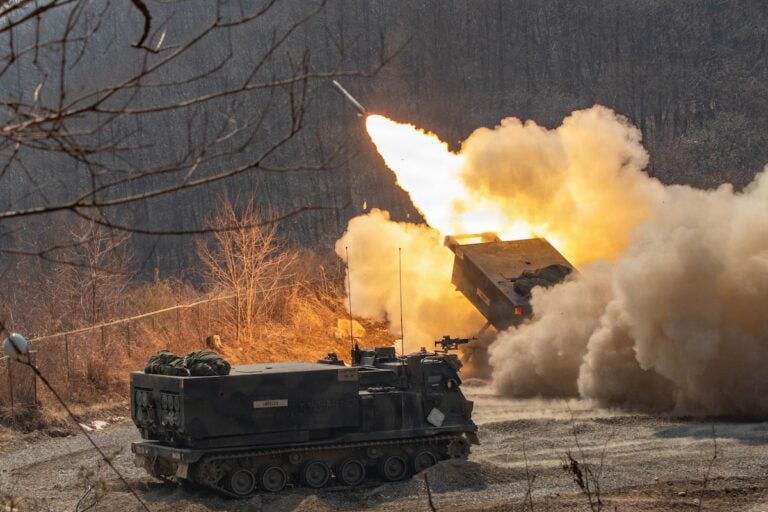
Keeping the existing container and interface would allow Increment 4 to operate from HIMARS and M270A2 launchers without changes to training or logistics, according to Lockheed Martin. The missile’s sensor package is intended to support engagements against both relocatable land targets and moving ships.
Lockheed Martin said it has invested more than $300 million with industry partners to mature propulsion technologies that extend missile range. It also has an operational $300 million additive manufacturing and automation line to produce airframe and propulsion components to the tolerances required for ramjet performance.
The company has invested another $250 million to date in its Strigo Product Center, which develops radio-frequency sensors, missile datalinks and seekers. Work at that center informs aspects of the Increment 4 guidance package.
Lockheed Martin said its Camden, Arkansas, manufacturing hub produces PrSM Increments 1 and 2 and could accommodate Increment 4 production. Expansion there is adding robotics and automation to increase capacity and support the move from low-rate to full-rate production.
Go deeper: Lockheed Martin.