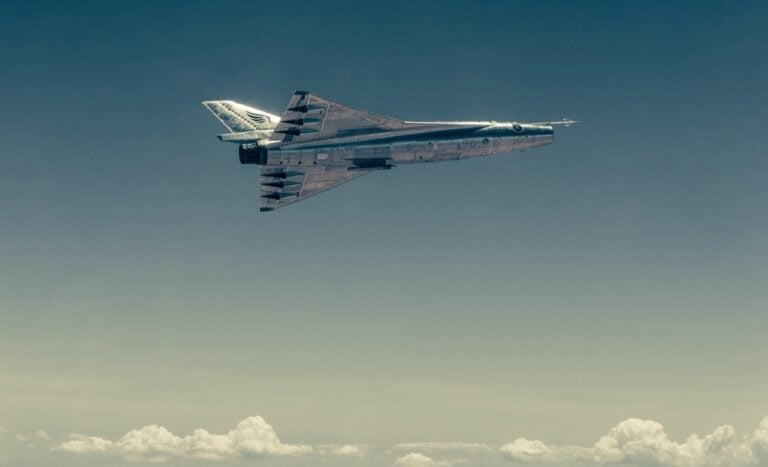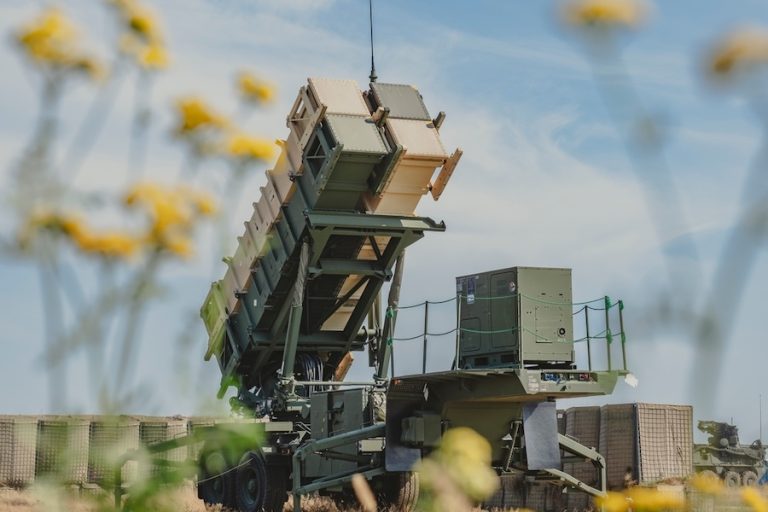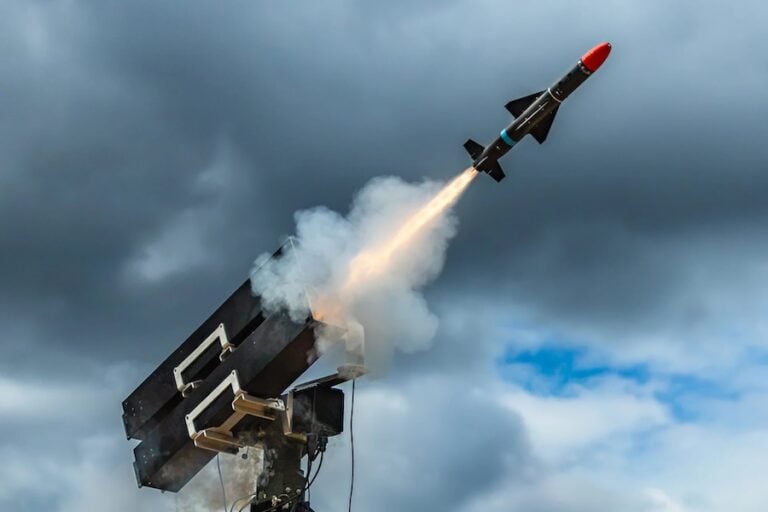

The allocation forms part of wider EU research into early warning and interception of hypersonic threats. The Commission also identified advanced sensors, laser weapons, nanotechnology and next-generation communications as priorities for defence readiness.
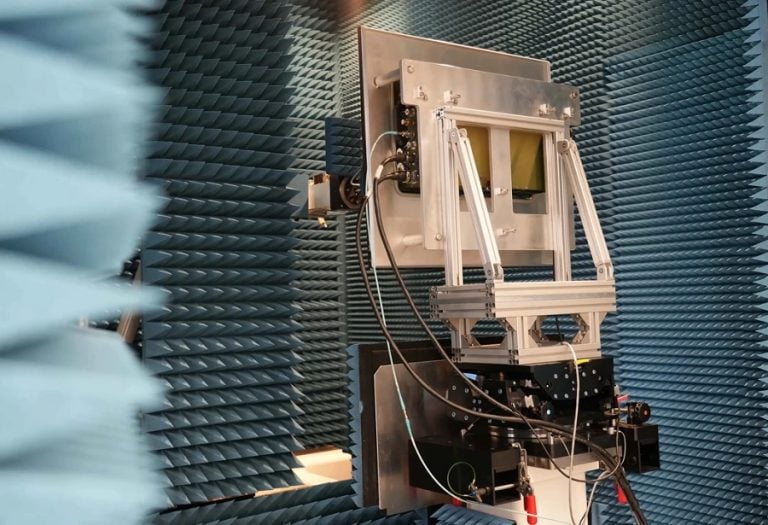
The fund has invested more than €300 million in joint research and development on advanced sensors, including new radar, AI-assisted signal detection, sensor networking and quantum sensing. The aim is to help armed forces detect and track threats faster and keep operating when signals are jammed or disrupted.
The fund is backing three laser projects, TALOS, TALOS-TWO and LACE, with the aim of developing a directed-energy weapon prototype by 2027. The Commission said lasers could cost less per shot than conventional interceptors, a potential advantage against swarms of inexpensive drones.
The fund also supports work on nanomaterials for soldier protection, coatings, camouflage and sensors. Projects supported by the fund aim to produce prototypes for smart textiles and adaptive camouflage by 2027.
Communications research covers secure networks that different forces can use together, anti-jamming technology and common designs for tactical communications. The Commission highlighted 5G, 6G, AI-enabled networks and laser links as ways for forces to share information and coordinate in contested environments.
The Commission put the fund’s overall budget for 2021–2027 at nearly €7.3 billion. The fund supports joint defence research and capability development mainly through grants, which can cover up to 100% of eligible costs depending on the activity and applicable bonuses.
:chatgpt-content-reference{index=”0″}[European-Defence-Fund-hypersonic-defence-research.md](sandbox:/workspace/scratch/a2137e886e77/European-Defence-Fund-hypersonic-defence-research.md)
Source: European Commission.