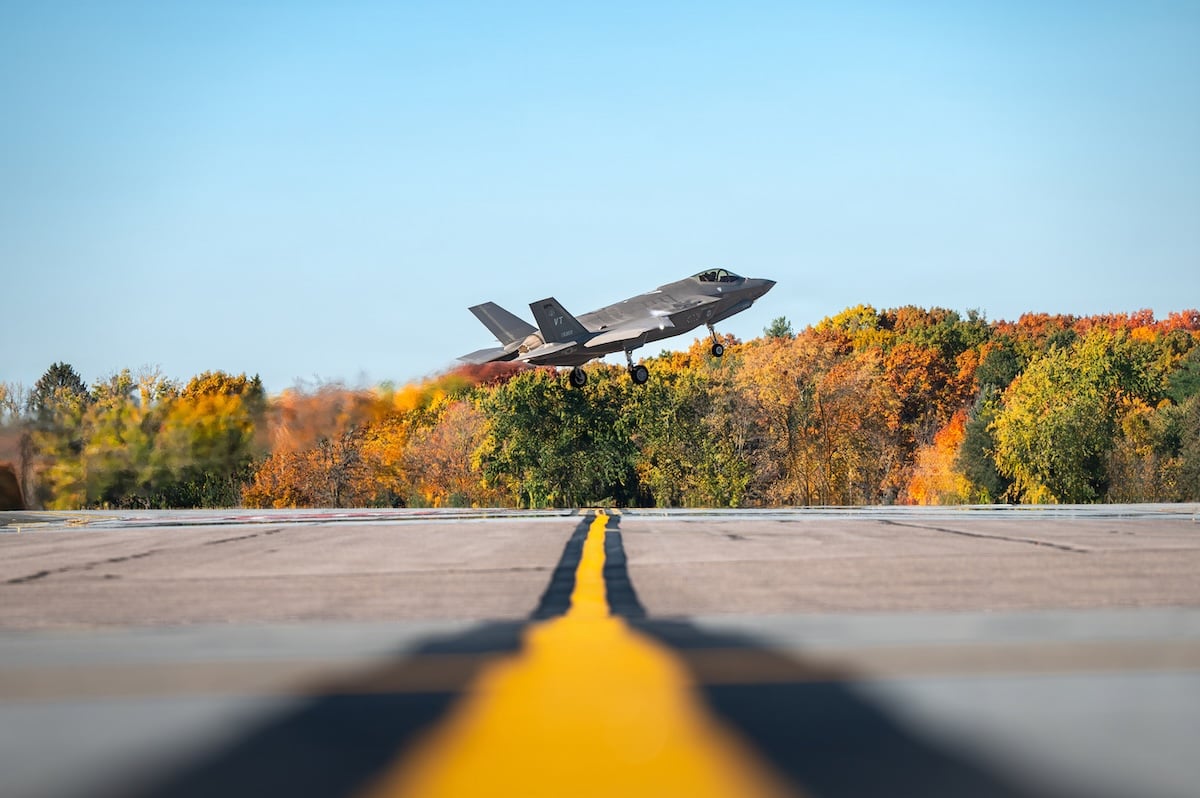
The idea came from deployed members of the 388th Fighter Wing, who contacted colleagues at Hill just days before operations began. The 388th Operations Support Squadron set up a Reachback Combat Intelligence Cell, shifting analysts from briefing commanders at home to supporting combat missions directly.
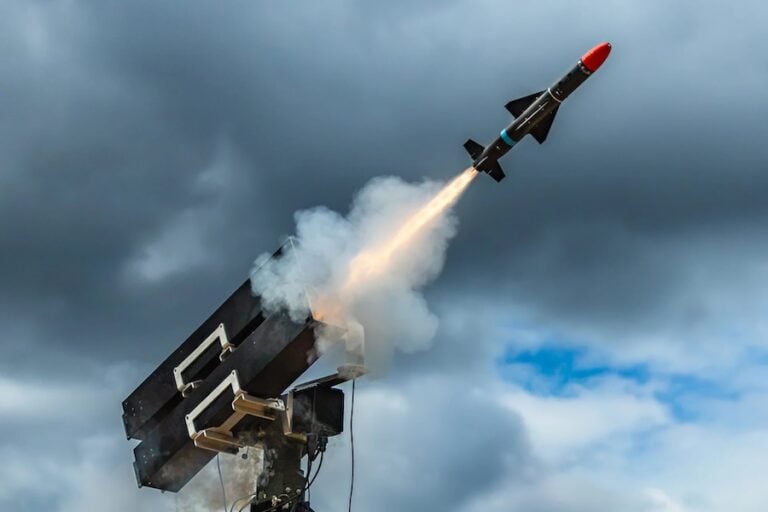
Deployed analysts focused on ongoing combat operations and immediate threats to their bases, including ballistic missiles, cruise missiles and attack drones. “If they [our deployed teammates] are in bunkers and they have incoming threats, intelligence products still have to come out because pilots are still going to be stepping,” an intelligence officer assigned to the Hill cell said.
The Hill analysts worked out procedures as operations unfolded, often making assessments with incomplete information. Their reporting helped commanders plan missions and make decisions about protecting personnel, the Air Force said.
“I had analysts with less than two years of experience making detailed assessments about an active conflict,” one intelligence officer said. “At the same time, senior leaders were asking, ‘What do you think is happening?’”
Col. Charles Fallon, commander of the 388th Fighter Wing, credited the analysts at Hill with providing threat warnings and analysis across the theater. “I don’t think we would have had the success we did if it wasn’t for them,” he said.