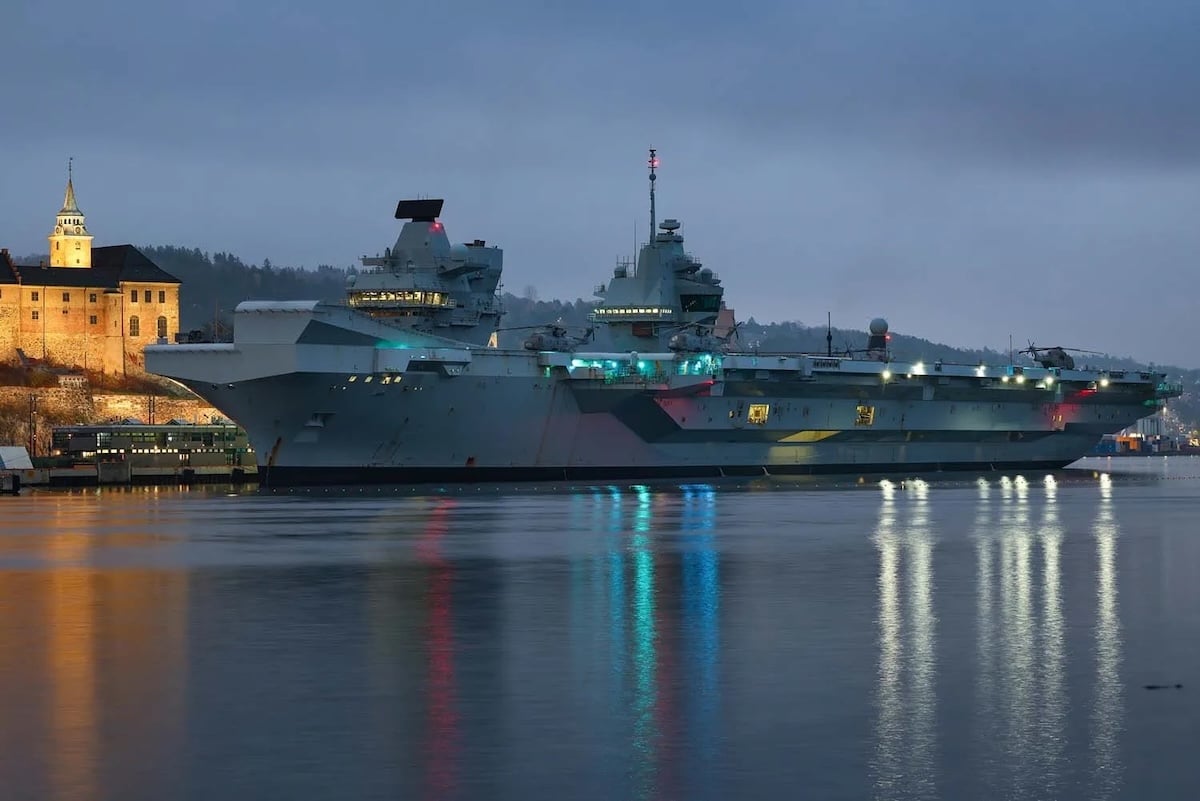
Representatives of all ten nations signed the agreement aboard HMS Prince of Wales at the International Sea Power Conference in Oslo. “After nine months of hard work, I’m delighted that the JEF Northern Navies Initiative has today taken a huge step forward,” First Sea Lord General Sir Gwyn Jenkins said.
The Royal Navy said a British frigate could hand over an operation to a partner navy, and warships could refuel, resupply and undergo repairs in one another’s ports. A task group from one country could also direct sensors and uncrewed vessels from another.
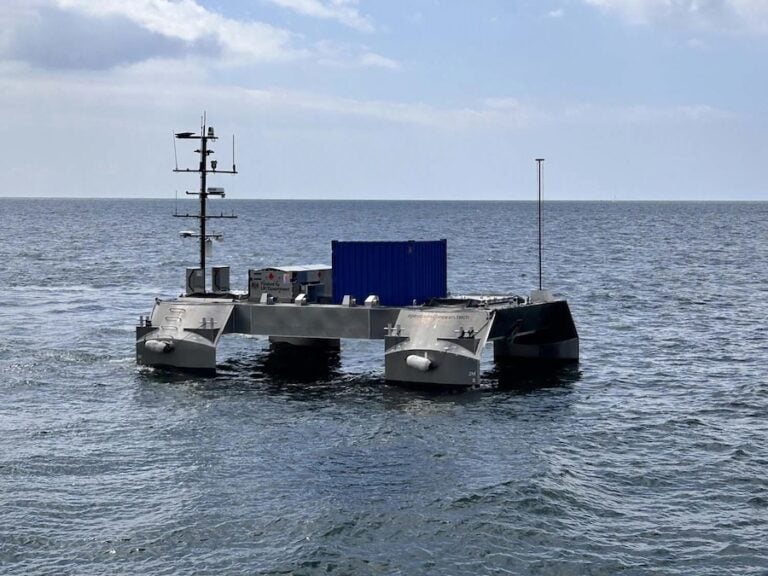
The JEF plans to design future autonomous systems so they can connect to partner navies’ command and control networks. The Royal Navy said that would help commanders coordinate more vessels and give the navies a way to apply lessons from operations in the High North.
The agreement also addresses threats to critical undersea infrastructure and other hostile activity below the threshold of armed conflict. The Royal Navy plans to put the first phase of Atlantic Net, part of its Atlantic Bastion programme, into operation within months.
The navy is working with Ocean Infinity to detect hostile underwater activity earlier and help protect critical infrastructure. It said Atlantic Net would give NATO and JEF partners a clearer picture of activity beneath the surface.
The UK is investing a further £100 million to prepare its Commando Force for combat in the High North, with the aim of deploying more Royal Marines there regularly. The Royal Navy said its current fleet rebuilding programme would use 280,000 tonnes of new steel, rising to around 450,000 tonnes when planned programmes are included.