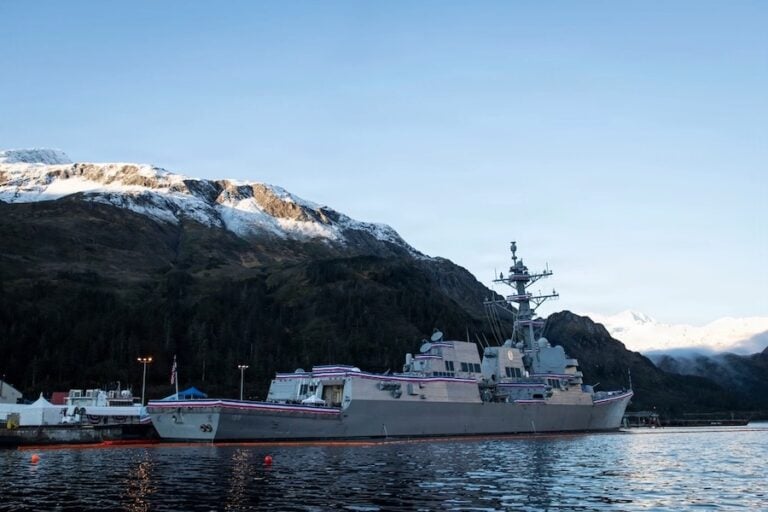
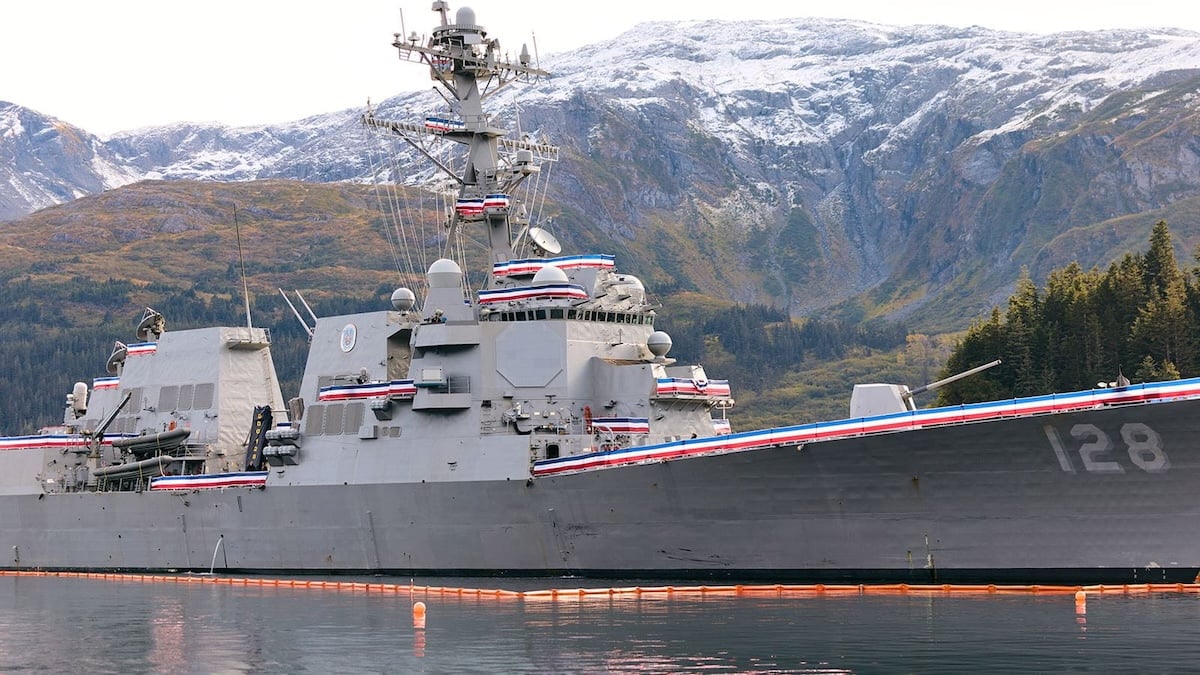
The radar is already in full-rate production, and USS Ted Stevens is the fourth commissioned U.S. Navy ship equipped with SPY-6. RTX expects the number to exceed 50 over the next decade, with additional systems in assembly and trials.
“The investment we’ve made in automation allows us to build at high rates,” said Jason Rathbone, Raytheon’s executive director of Naval Radars. “It reduces the cost of these products and improves quality and reliability.”
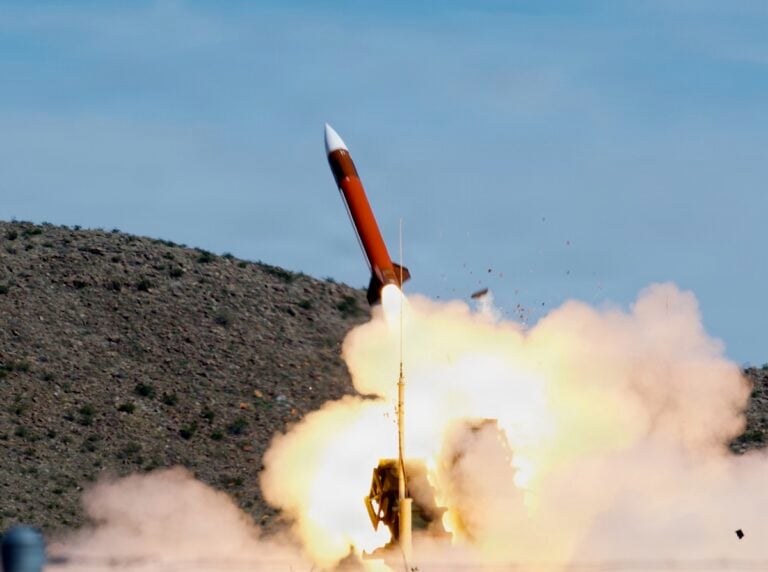
The production effort runs alongside testing on land and at sea, including successful live-fire events aboard USS Jack H. Lucas. RTX says the program is on track to complete 60 live firings in operational testing in 2027.
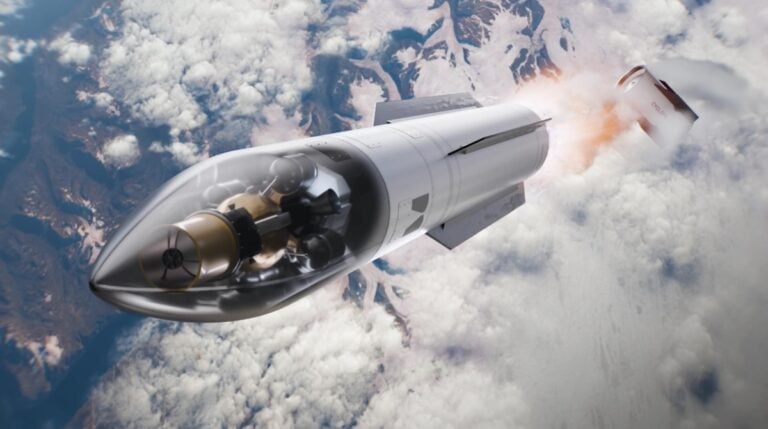
SPY-6 is designed to help ships detect and classify simultaneous threats, including ballistic missiles, cruise missiles, uncrewed aircraft and electronic warfare platforms. Raytheon describes attacks involving large numbers of different weapons as a central challenge for naval air defense.
“Our enemies aren’t just shooting one missile at a time. They’re sending hundreds, trying to overwhelm the systems on our ships,” said John Tobin, Raytheon’s director of Naval Radars.
Each SPY-6 variant uses common building blocks called Radar Modular Assemblies, allowing the radar to be configured for different ships and missions. The design supports installation on new ships and retrofits to existing vessels, while preserving common elements for training, maintenance and sustainment.
“We are just scratching the surface of what SPY-6 can deliver,” said Jen Gauthier, Raytheon’s vice president of Naval Systems & Sustainment. “It has the capability necessary to meet the threats of today and can easily be upgraded to address the threats of tomorrow.”
Raytheon says software updates can address new threats without requiring wholesale hardware replacement. It also sees potential to integrate SPY-6 with combat management systems used by allied navies, supporting wider adoption and collaborative threat tracking.
Go deeper: Raytheon.