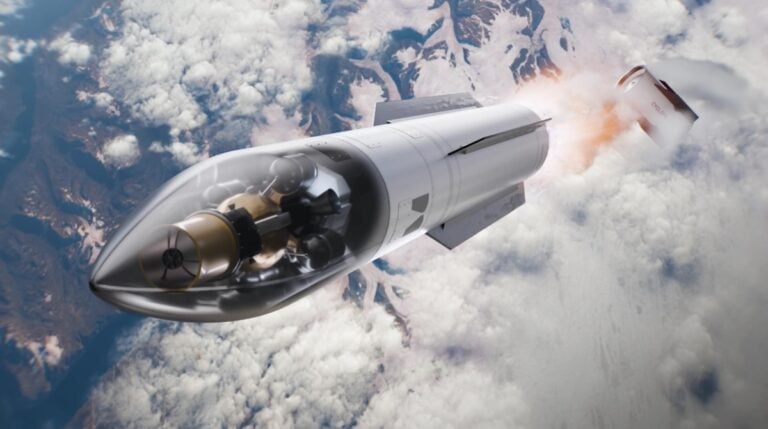
Today we are unveiling Contra, an AI-controlled autonomous air defence system designed to protect countries from scaled drone and missile attacks.
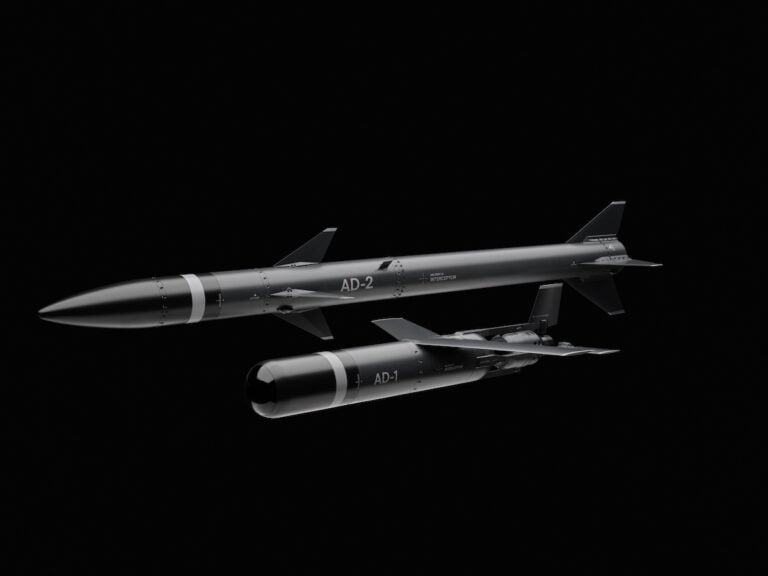
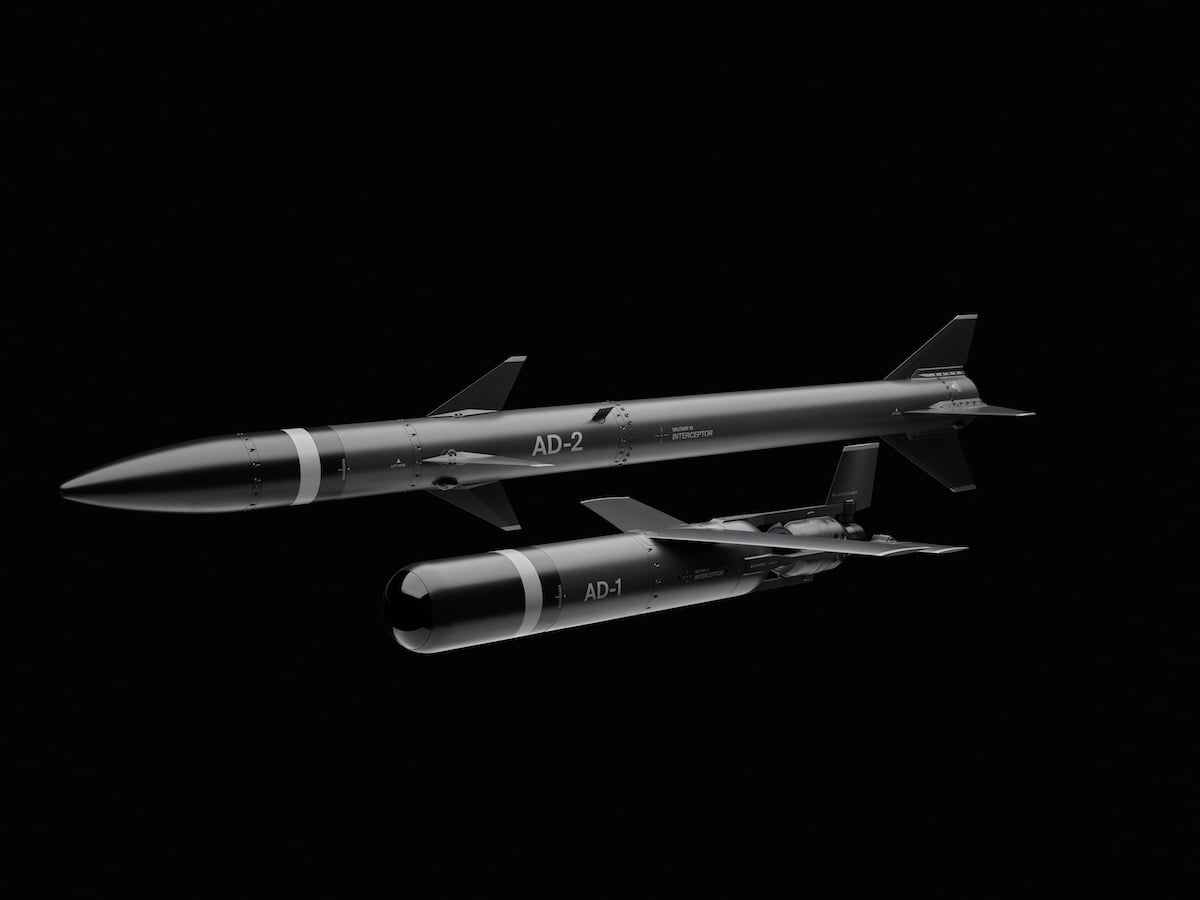
Alongside Contra, two new interceptors:
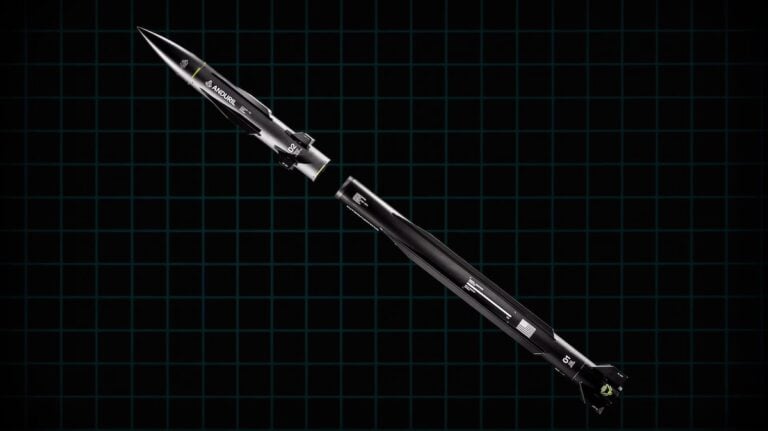
AD-1 Inferno to counter jet-powered threats. AD-2 Ambush to counter high-altitude threats. https://t.co/Z9HE2UB2ft
— Helsing (@HelsingAI) October 26, 2026
Contra uses Helsing’s Altra command-and-control platform to combine information from sensors and coordinate weapons within a single air picture. The company says it is designed to detect and engage hundreds or thousands of threats simultaneously, while users retain control over decisions and target prioritisation.
“Contra ends the air defence dilemma: slow fair-weather drones, or million-euro missiles fired at cheap, mass-produced targets,” said Niklas Köhler, Helsing’s co-founder and president. Helsing plans to manufacture the interceptors at its Resilience Factories, although it did not disclose unit prices.
“Our AI links existing sensors and effectors in real time and adds our interceptors, AD-1 and AD-2. With jet and rocket propulsion, a low-cost all-weather radar seeker, and two independent European supply chains, they deliver autonomous fire superiority up to ten kilometres high – affordable and at industrial scale.”
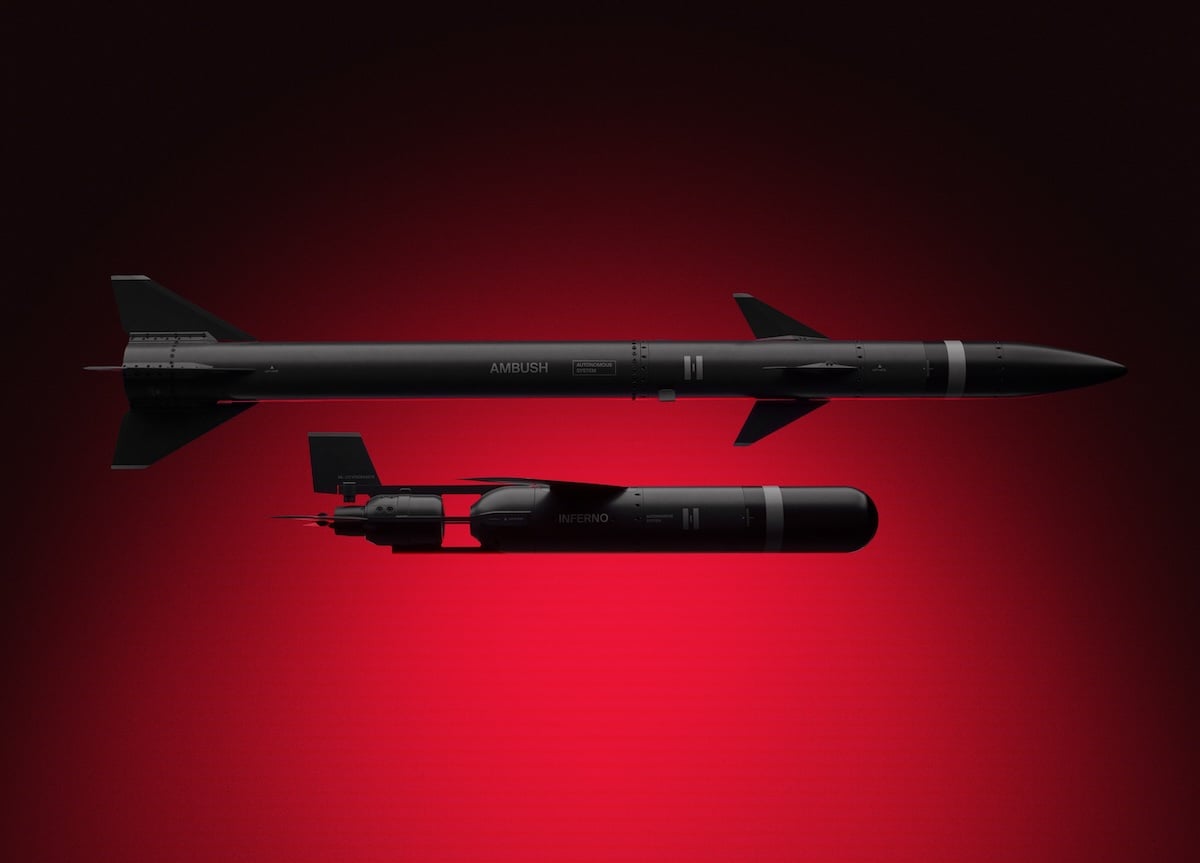
AD-1 Inferno uses jet propulsion and is designed to loiter, operate in swarms and make repeated engagement attempts. The solid-rocket-powered AD-2 Ambush is intended for rapid interceptions, with Helsing stating a speed of Mach 2.5 and a range exceeding 20 kilometres.
Both missiles receive mid-course guidance from Contra’s ground-based radar stations. Onboard radar seekers are designed to guide them through the final stage of an engagement in all weather.
Contra can also incorporate third-party interceptors, counter-drone lasers, guns and net-based systems, according to Helsing. The company says it can integrate such equipment within days and is already demonstrating several integrations to military customers.
Helsing presented the system in response to what it described as increasing Russian production of jet-powered drones and cruise missiles. Citing intelligence reports, it said Geran-4 and Geran-5 output had reached a combined 4,000 units a month and that new launch sites were bringing parts of the EU within potential attack range.