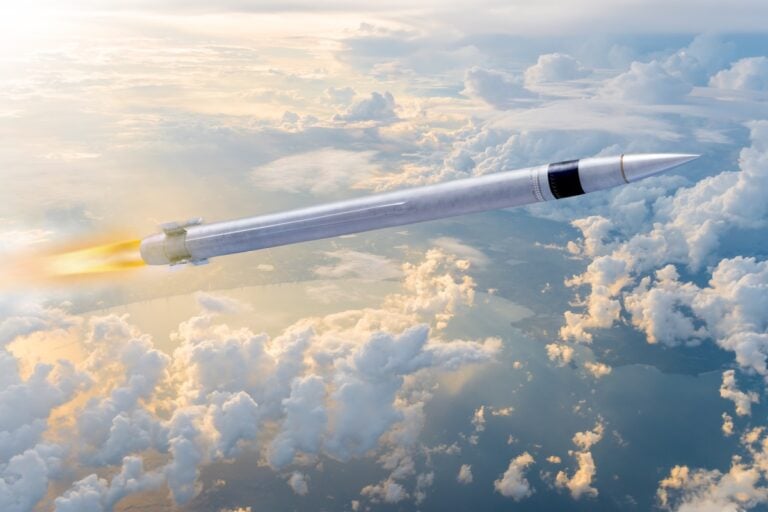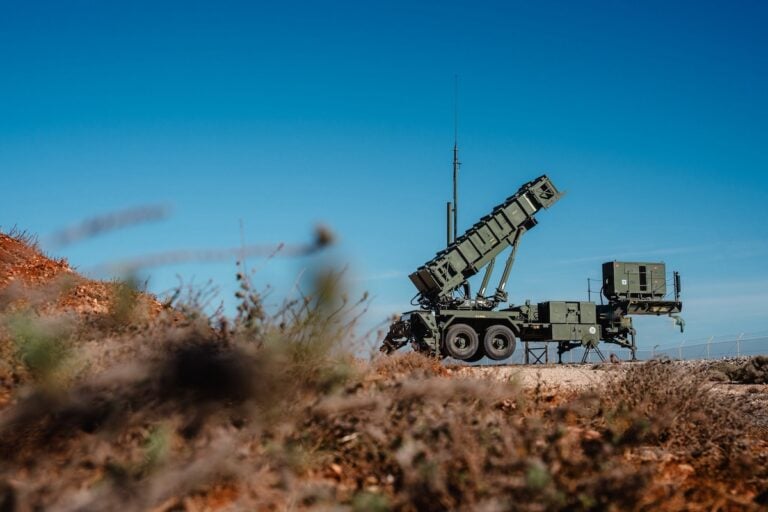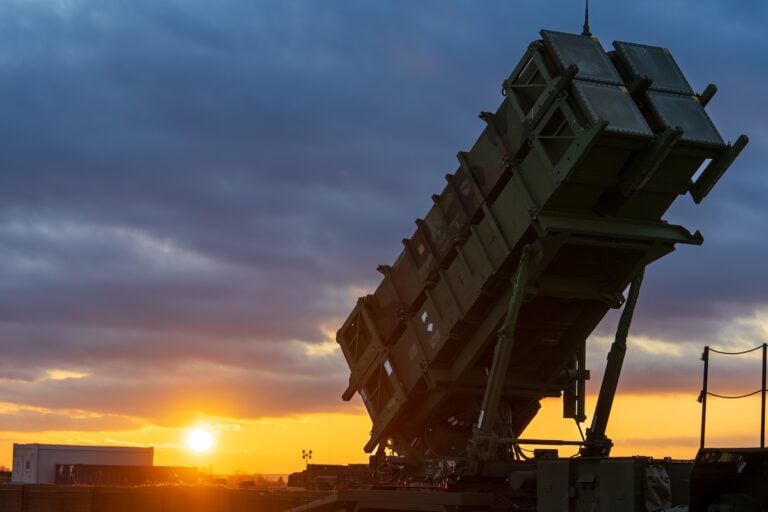

ACE would replace several expensive PAC-3 MSE components with simpler alternatives. Edge would use more advanced propulsion, guidance and maneuvering systems to improve interception capability.
PAC-3 ACE, disclosed during the summer, is intended to cost less than half as much as PAC-3 MSE. It would use PAC-3 guidance algorithms and be fully integrated with the Integrated Battle Command System, or IBCS.
A single-pulse rocket motor would replace MSE’s dual-pulse motor. The design would also dispense with the attitude control motors, or ACM, that provide precision maneuvering and account for a substantial share of MSE’s cost.
ACE would engage targets with a fragmentation warhead rather than depend on a direct kinetic hit. Some commentators question its effectiveness against ballistic missiles, estimating performance comparable to or below the older PAC-2 GEM-T.
Jason Reynolds, Lockheed Martin’s vice president and general manager of integrated air and missile defense, said “many countries” were interested in producing ACE. He also indicated that any prospective Patriot interceptor production in Ukraine would involve ACE or a similar design rather than MSE.
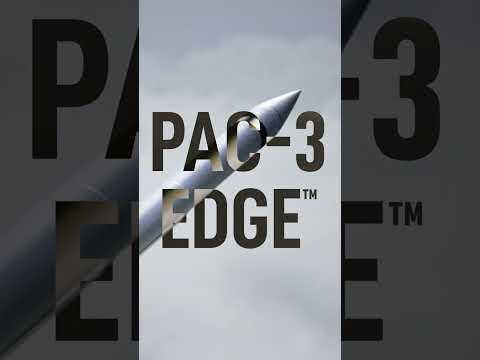
Lockheed Martin announced PAC-3 Edge shortly before AUSA as an interceptor intended to counter hypersonic missiles. Its renderings show a constant-diameter body without the fixed aerodynamic surfaces around the middle of PAC-3 MSE.
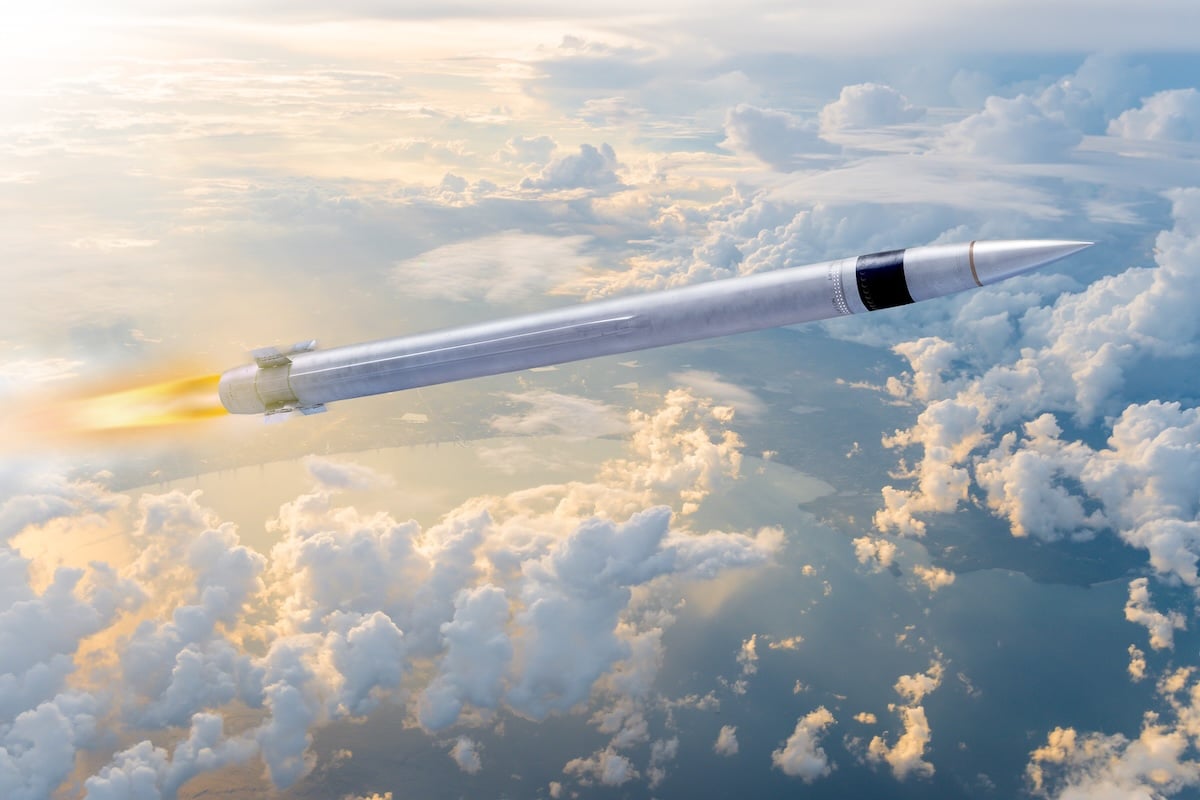
The guidance system is reported to be modular, with dual- or multispectral sensing among the possible configurations. Multiple guidance methods are intended to improve the chances of reaching the target and reduce the effectiveness of decoys.
A three-pulse rocket motor is being developed with Northrop Grumman. It is intended to improve energy management, potentially extending the missile’s range.
Edge would also incorporate a more extensive ACM control system than MSE to improve interception precision. The missile could complement THAAD, although that role has not been confirmed.