
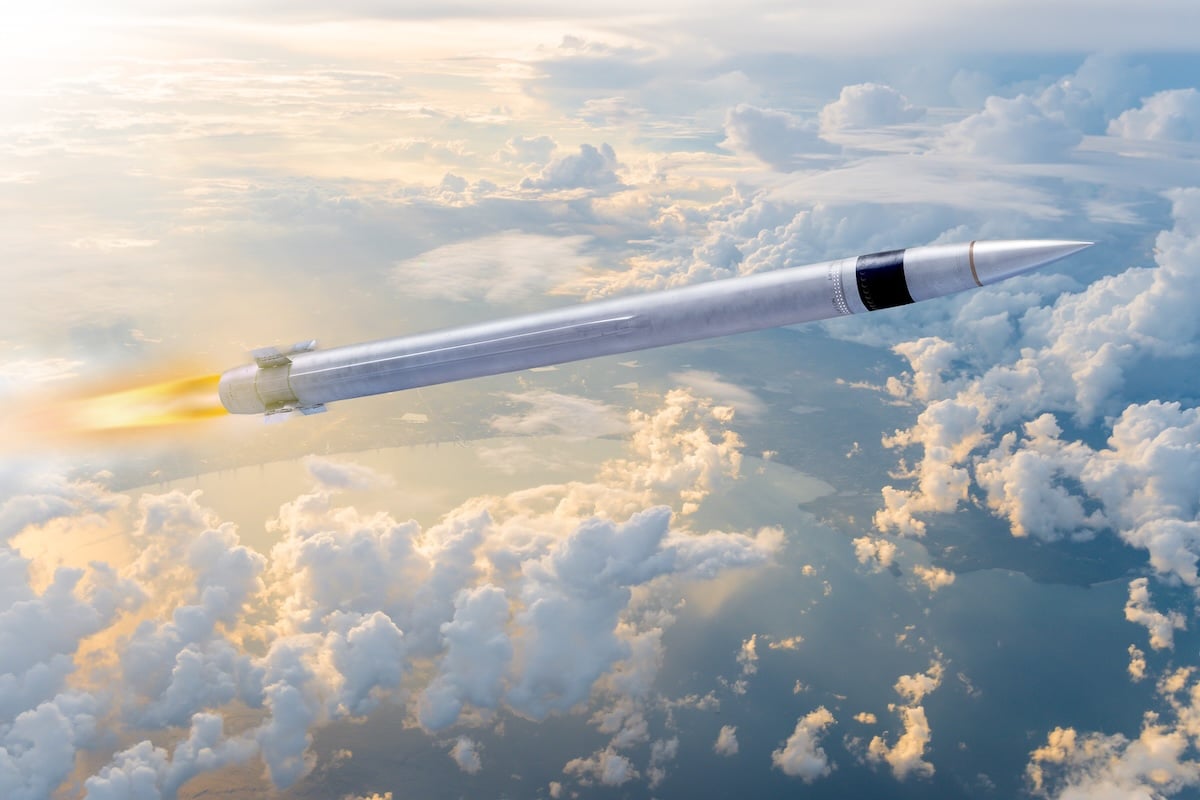
Lockheed plans to push ahead with development and start testing in 2027. The goal is to have the interceptor ready for rapid deployment by 2031.
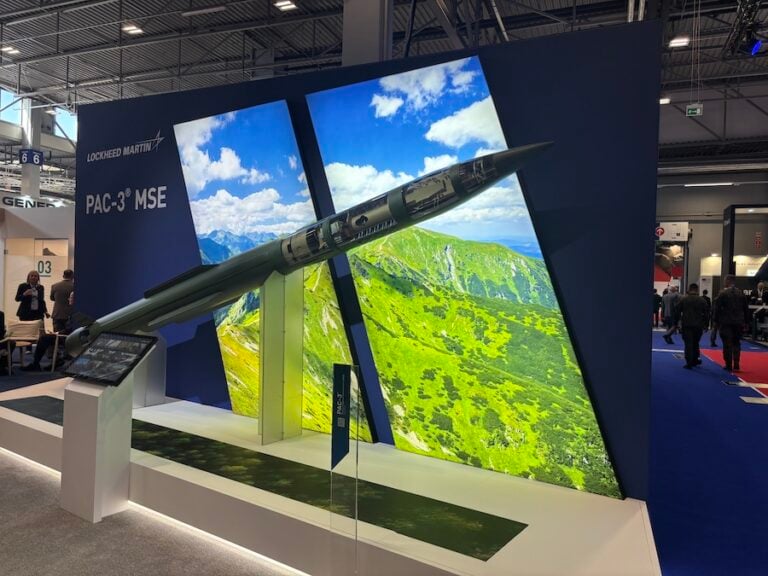
PAC-3 Edge is based on the PAC-3 MSE, which Lockheed describes as combat-proven, but the seeker is new. It was designed by the company’s Strigo Product Center, where Lockheed says it has invested $250 million.
The rocket motor is a multi-pulse solid design from Northrop Grumman. Lockheed has reworked the control system as well, to deliver more performance at range and altitude.
Together, the changes are meant to let the missile counter air, missile and hypersonic threats at higher altitudes and longer ranges, widening the Army’s air and missile defense coverage. “Lockheed Martin’s PAC-3 Edge interceptor leverages the combat-proven PAC-3 MSE, delivering even greater maneuverability, power and velocity to ensure the Army’s layered defensive architecture remains the most advanced in the world,” said Tim Cahill, president of Lockheed Martin Missiles and Fire Control.
Lockheed has designed PAC-3 Edge to be integrated with the Army’s existing and future air and missile defense systems, among them the Integrated Battle Command System. It is also meant to work with the M903 launcher, containerized launchers and HIMARS Flex.
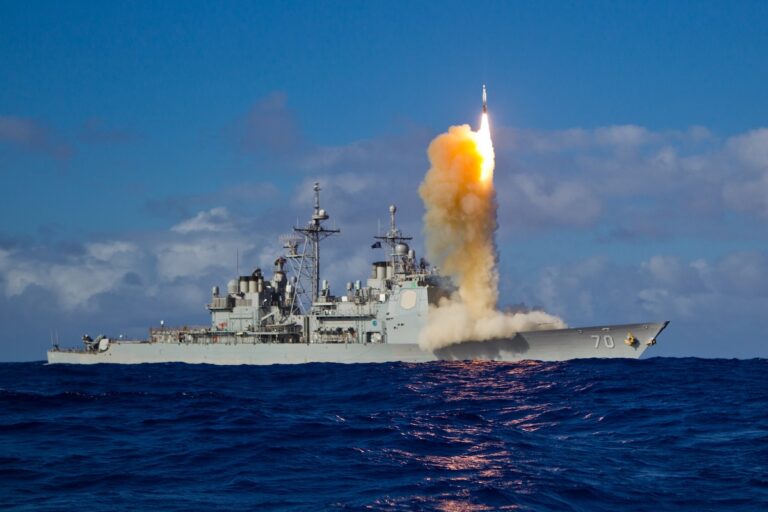
PAC-3 Edge is the latest advanced interceptor in Lockheed’s portfolio. The company is known for producing the PAC-3 MSE for the Patriot system, and its chief executive said recently that the missile will also be integrated with the Aegis system and carried by Navy ships.
A few months earlier this year, Lockheed revealed a cheaper version of the interceptor, the PAC-3 ACE. That was the company’s answer to record demand for Patriot interceptors, driven chiefly by the Russia-Ukraine war and the war with Iran in the Gulf.
Global stocks of PAC-3 interceptors are close to running out, and Ukraine regularly asks its Western allies for more of them. They are the only missiles able to defend Kyiv against Russian strikes using ballistic and hypersonic missiles.
The PAC-3 has proved itself in Ukraine. The country’s armed forces have repeatedly reported a very high success rate for the missile.
Lockheed, along with other companies such as L3Harris Technologies and Boeing, is investing heavily in expanding production capacity. The aim is to produce more PAC-3 missiles, and to produce them faster.