
Taiclet presented the effort during Lockheed Martin’s second-quarter 2026 earnings call as part of a broader strategy to adapt proven weapons and combat systems to new missions. The approach is intended to avoid starting from scratch where existing technology can be integrated into a new operational architecture.
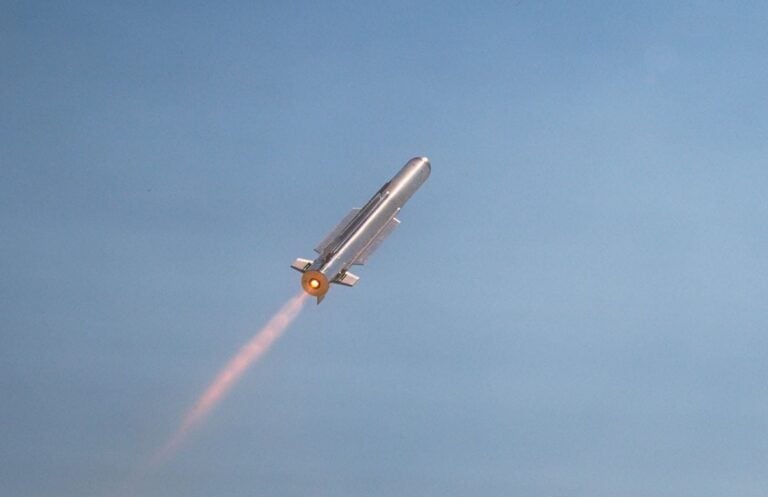
“That same logic, building on established battle-tested solutions instead of starting from scratch, guides the Navy’s decision to integrate the PAC-3 missile into the Aegis Combat System,” Taiclet said. “This move adds a new intercept capability to surface ships for the Navy.”
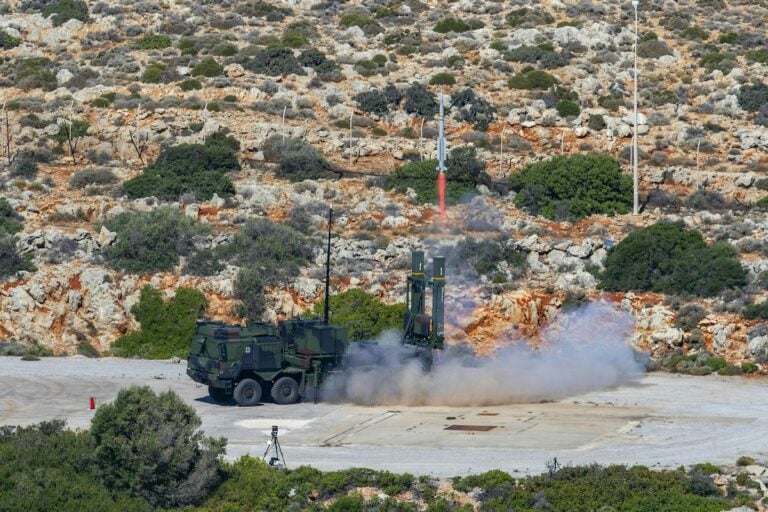
The integration would extend PAC-3 into a naval combat-system architecture different from the one for which the missile was originally designed. Taiclet said that difference required Lockheed Martin to connect the missile’s existing guidance capability with Aegis fire control.
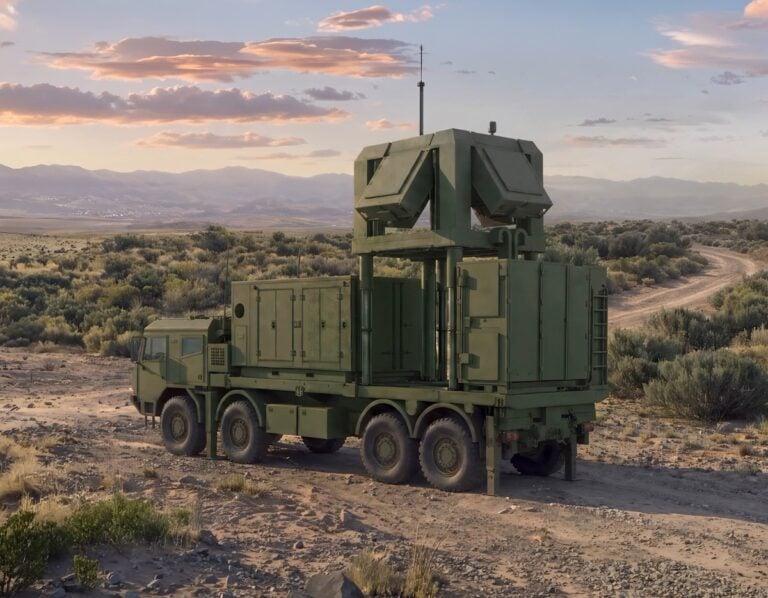
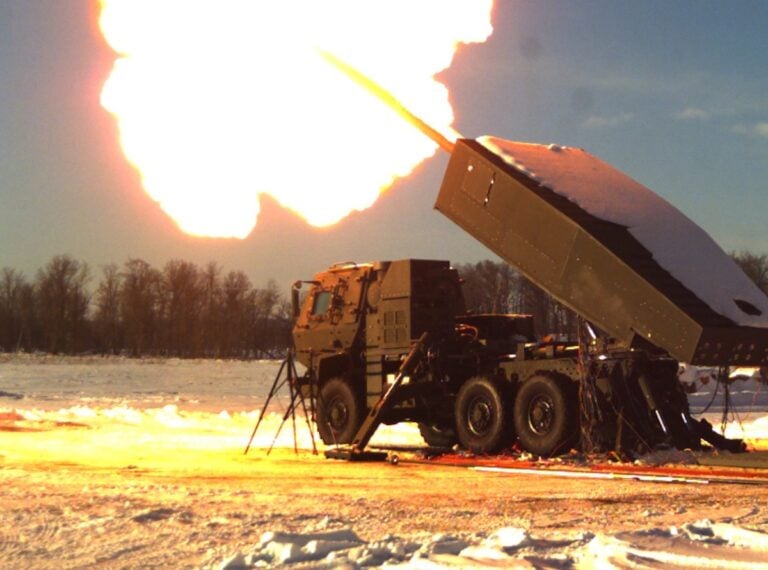
“Though the PAC-3 was originally designed for air defense with a different radar and launch architecture, the Navy’s acquisition taps our truly unique integration expertise,” Taiclet said.
Lockheed Martin engineers have combined the missile’s guidance mechanism with the Aegis fire-control system, according to Taiclet. He described the result as a single solution that can be fielded by the fleet.
“Our engineers were able to merge the missile’s inherent guidance mechanism with our Aegis fire control system into a single fleet fieldable solution,” Taiclet said.
The significance for the Navy is the potential to add another interceptor option to ships already operating Aegis. Taiclet said the integration could allow the service to introduce the capability without waiting for an entirely new shipboard combat architecture.
“This will enable the U.S. Navy to deploy this new capability on its existing ships relatively rapidly,” he said.
Taiclet did not identify which Navy ship classes would receive PAC-3, nor did he provide a deployment schedule, procurement quantity or contract value during the call. His remarks focused instead on Lockheed Martin’s integration work and the use of an established interceptor within the Aegis architecture.
The CEO also pointed to the company’s long experience integrating missiles with Aegis. He linked the PAC-3 work to the same engineering approach Lockheed Martin has used across other air and missile-defense programs.
“We’ve demonstrated this system’s integration discipline across our new Sanctum Counter-UAS system and every missile Aegis has fielded for more than 40 years,” Taiclet said.
The PAC-3 effort therefore centers on adapting an existing missile to an established naval combat system rather than creating a new interceptor from the ground up. Based on Taiclet’s comments, Lockheed Martin sees that model as a way to move additional defensive capability into the U.S. fleet on a shorter timeline.