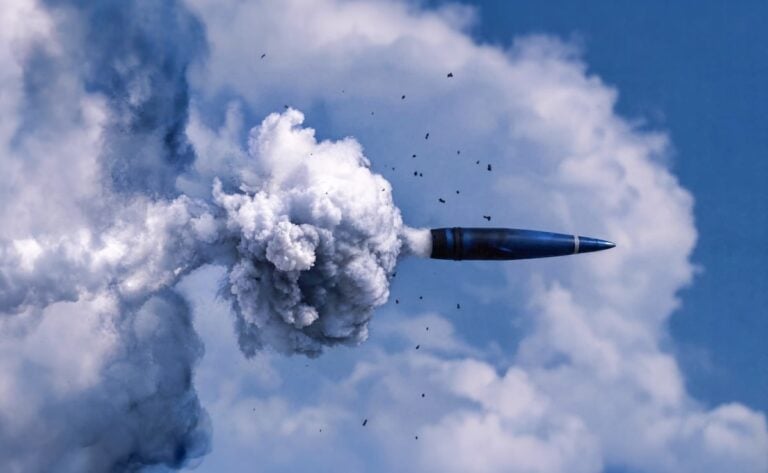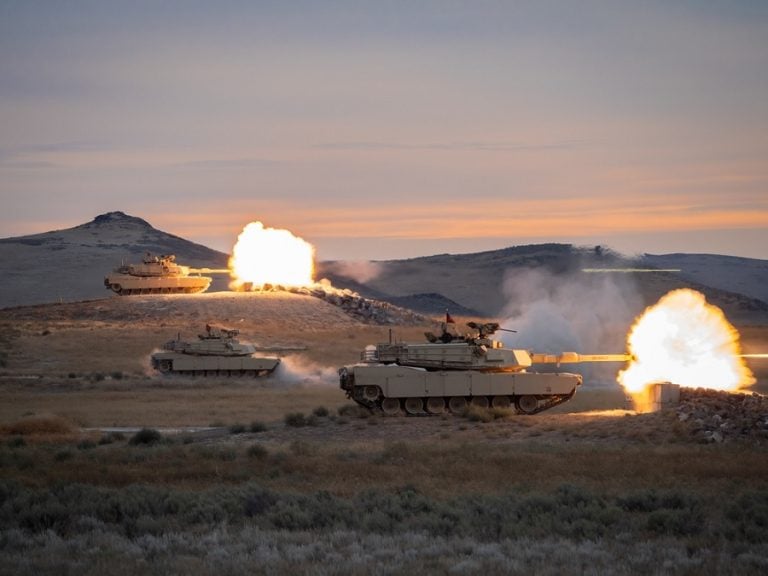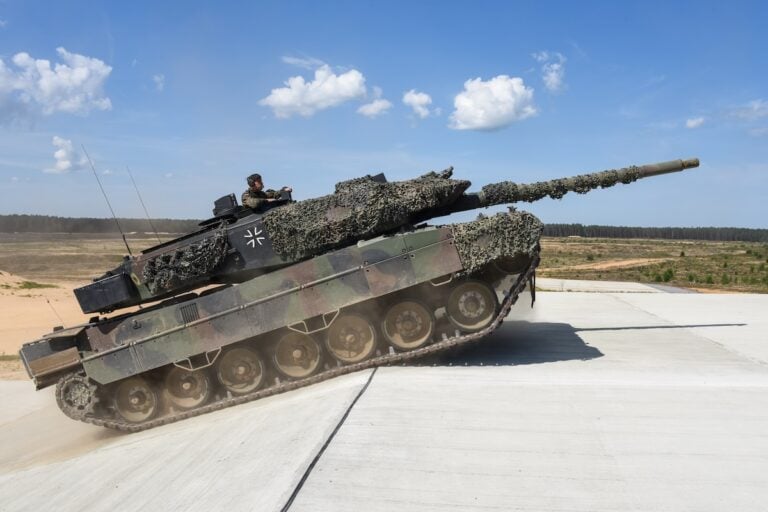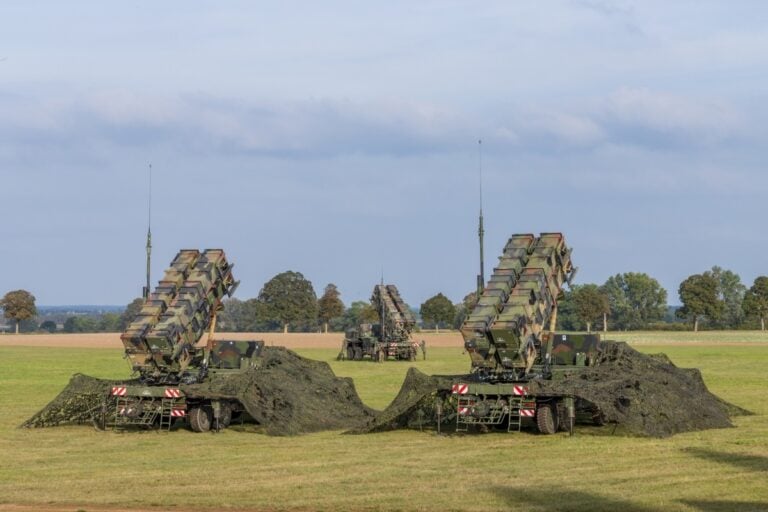
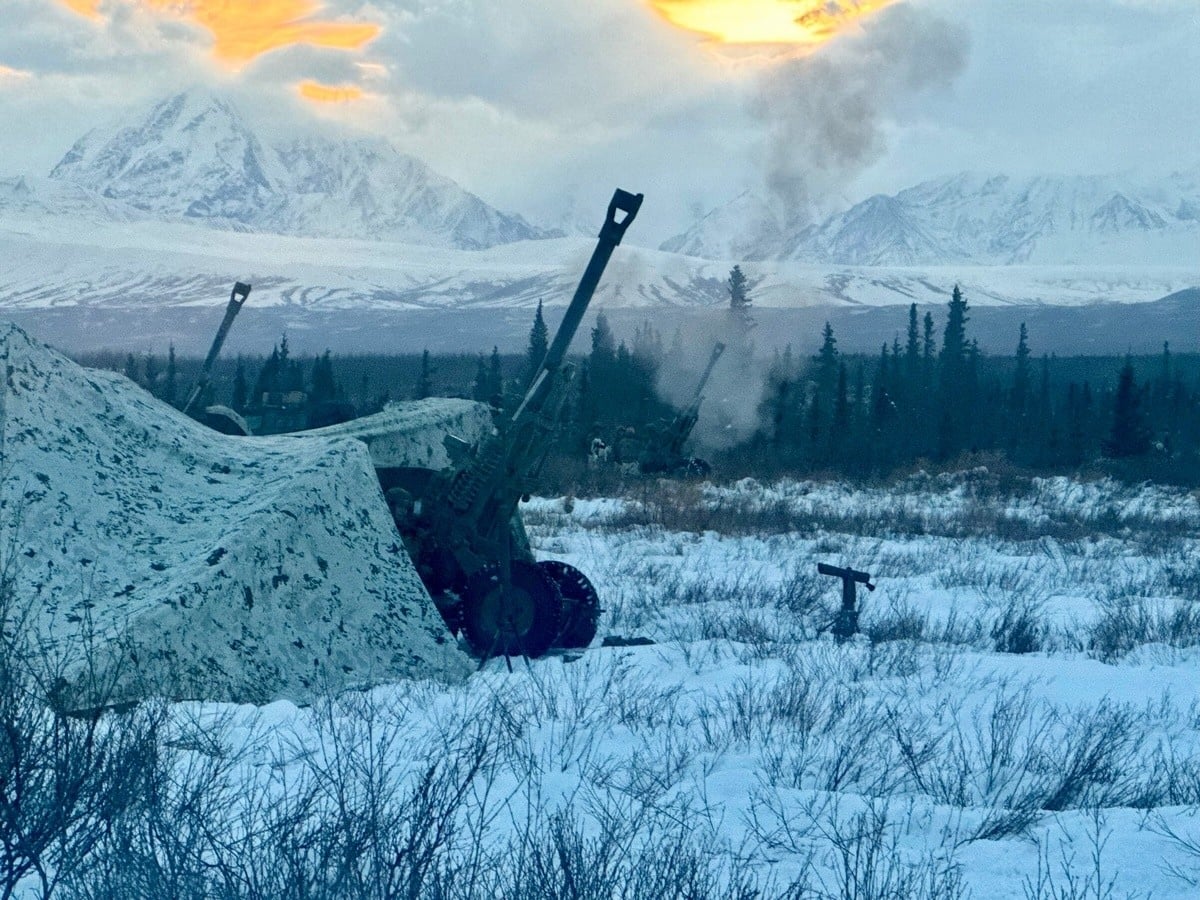
The exercise ran from October 13–29, 2026, culminating in an Artillery Table XVIII evaluation. The assessment validates an artillery battalion’s ability to provide direct, synchronized supporting fires for a mobile brigade combat team.
Simulated counterfire was the principal threat during the final assessment, alongside hit-and-run attacks on artillery positions. Crews had to fire simultaneously from separate locations and move their howitzers quickly enough to avoid retaliation.
Weather added to the demands, with temperatures falling to zero degrees Fahrenheit, winds reaching 35 knots and snowfall of 12–18 inches. The Army said the crews achieved all training objectives and completed the firing safely.
“This evaluation proved that we can mass fires, maintain tactical survivability against a modern threat, and deliver devastating, precise lethality in some of the most unforgiving, Arctic conditions on the planet,” said Lt. Col. Ian P. Grundhauser, the battalion commander. “Our Arctic Angels are trained, qualified, and ready to support the maneuver fight.”
Before the battalion assessment, all three firing batteries completed separate live-fire qualifications. External evaluators supported the final phase because the 11th Airborne Division’s own artillery headquarters is not due to be established until next year.
The event was the division’s first battalion-level artillery live-fire evaluation. The Army said it established a model for future assessments and cold-weather artillery operations in the Pacific theater.