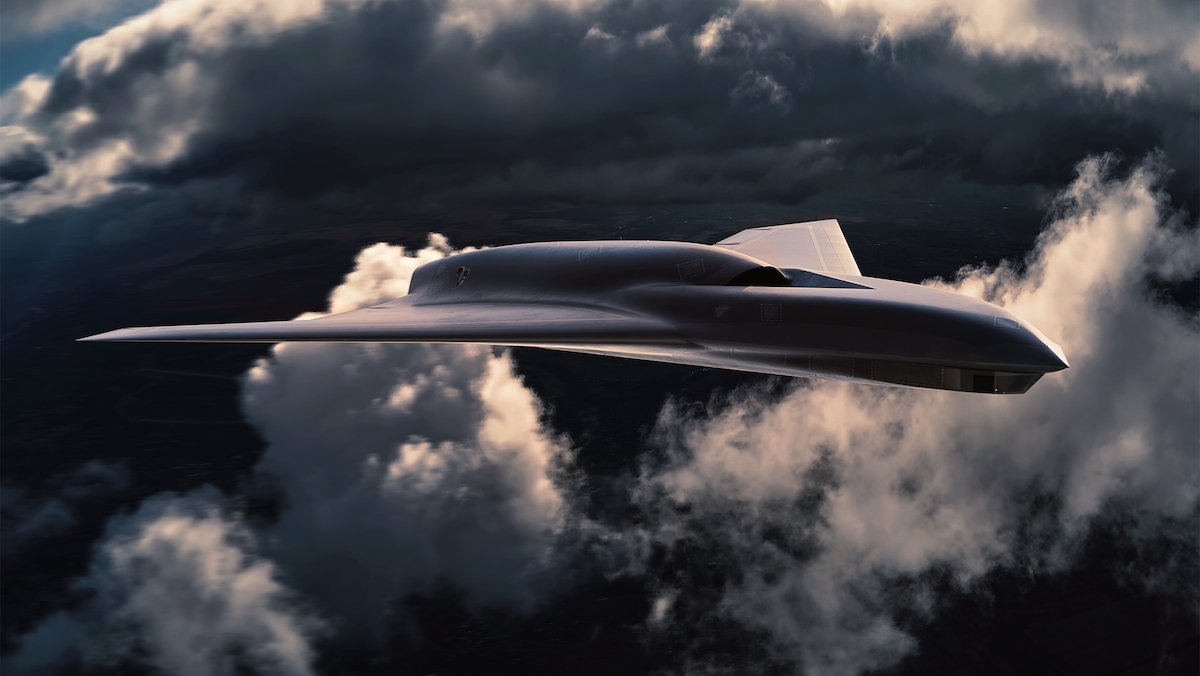
Taiclet said progress at Skunk Works had persuaded him to increase funding for the aircraft. The team moved from initial drawings to wind tunnel testing in under two months and released its first production part within eight months, he told the company’s third-quarter earnings call on October 22.
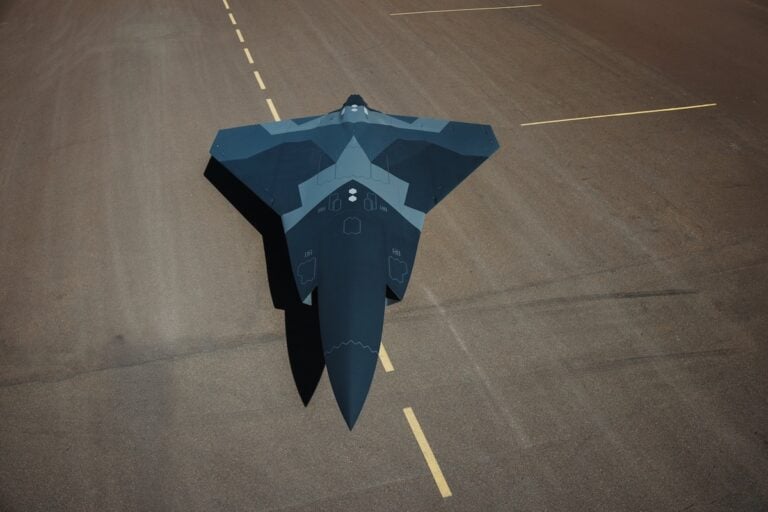
“This progress gave me confidence to green-light an increase, and now we will build five Vectis aircraft with our own investment,” Taiclet said. “That puts us in position to offer a proven, production-ready autonomous aircraft as our customers define their future requirements.”
Lockheed Martin is designing Vectis for air-to-air combat and strike missions, including attacks against an adversary’s integrated air and missile defense batteries, Taiclet said. The company is drawing on its experience with crewed fighters and discussions with customers to determine what the aircraft will need to do.

Taiclet said he expected CCA Increment 2 to require greater range, payload and survivability than the first increment. Those expectations are guiding Lockheed Martin’s investment, although he did not disclose Vectis performance specifications or a target price.
The company also wants Vectis to be available to eligible international customers from the outset. Taiclet said that objective was informing the design, rather than leaving the company to seek clearance for overseas sales after developing a U.S.-only aircraft.
“In other words, it will be designed in a way that the U.S. and/or the international allies that qualify can buy it instead of having to do something for a U.S.-only releasability standard and then hope we can get clearance to sell it overseas later,” he said. He did not announce an export approval or an international order.
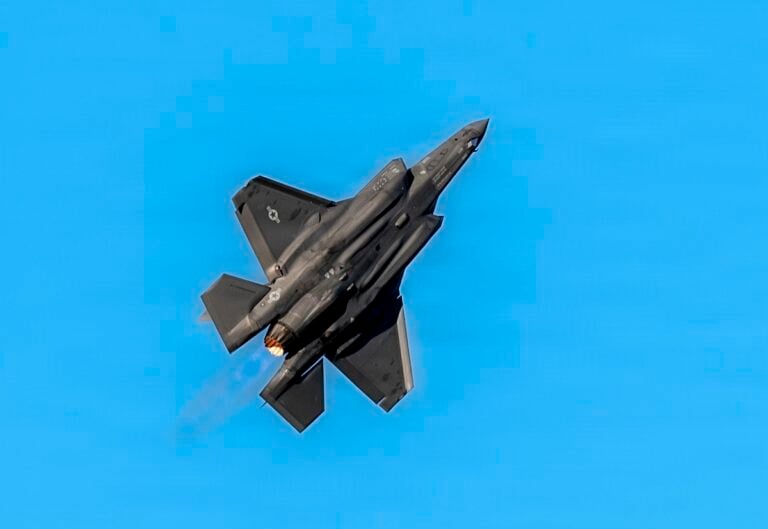
Vectis sits alongside F-22 modernization and further F-35 upgrades in the air combat strategy Taiclet described. He said Lockheed Martin’s experience with both fighters helped it assess how crewed aircraft would connect and operate with autonomous systems.
The investment reflects a broader decision to fund prototypes before governments issue formal requests for information or proposals, Taiclet said. For Vectis, the company is committing to five aircraft before the anticipated Air Force competition defines its requirements.