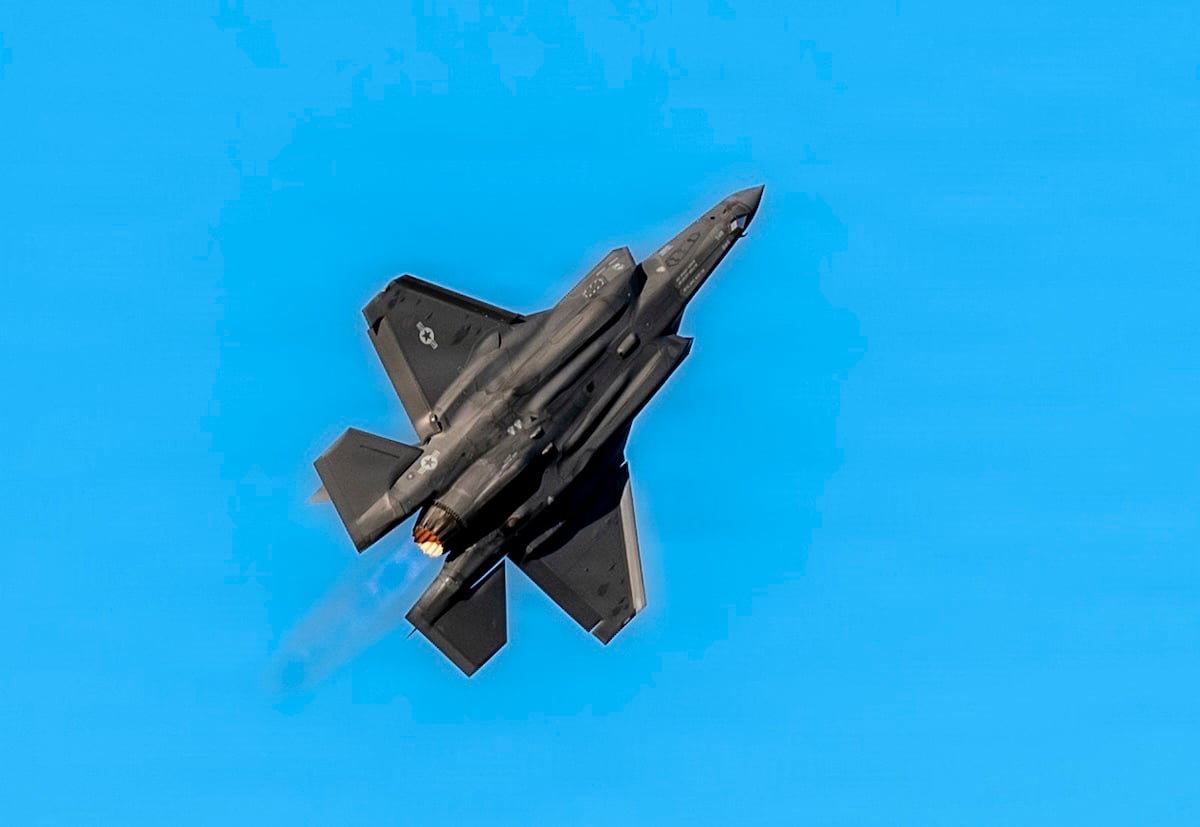
Taiclet said the arrangement would also cover sustainment and modernization, with changes to purchasing and pricing intended to improve fleet readiness and accelerate upgrades. Chief Financial Officer Evan Scott described a potential ten-year procurement contract, while negotiations on the next production lot remained underway.
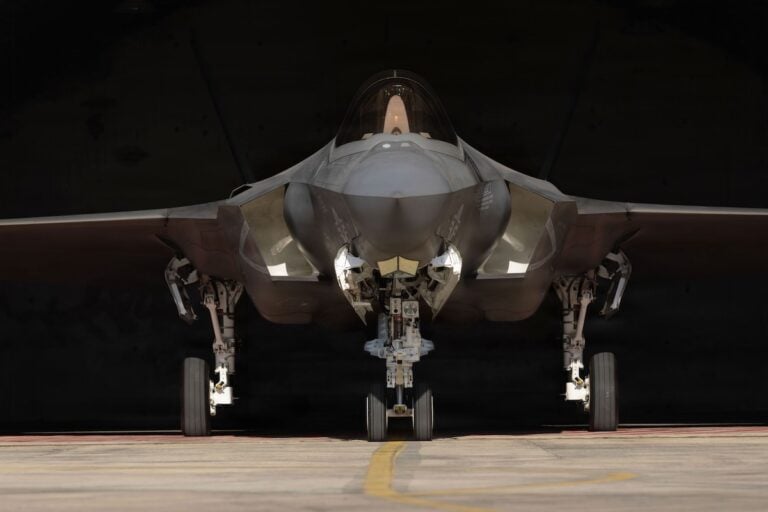
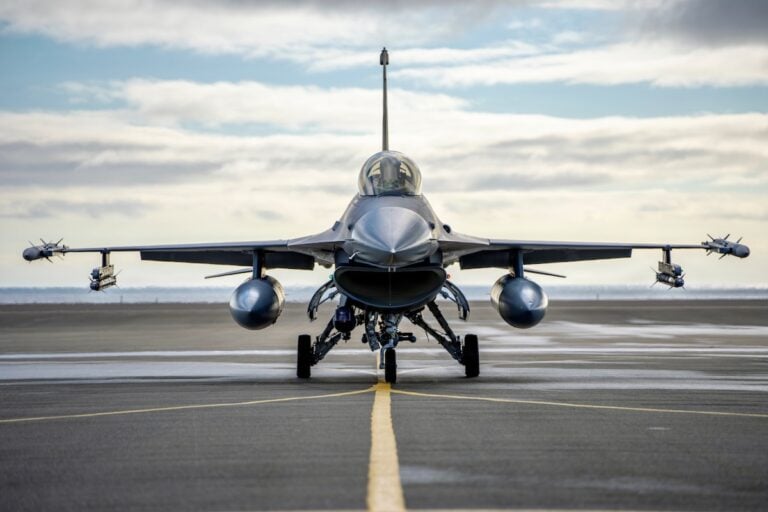
“This agreement solidifies the path to 850 U.S. aircraft over a 10-year span, which will be further augmented by sales to our allies, achieving a total production at 156 aircraft per year for 10 years,” Taiclet said during the October 22 earnings call. “This landmark agreement also enables sustainment and future development to be more effective and efficient for our customers.”
Suppliers account for 60% or more of the F-35, Taiclet said, making their performance a major factor in the cost of assembling the aircraft. He said a longer commitment would give them confidence to hire workers, buy equipment and improve software, knowing those investments would have time to pay off.
Lockheed Martin would benefit from fewer late deliveries and defective components, which Taiclet identified among its largest supplier-related costs. He said the arrangement would make production more dependable even without an increase above 156 aircraft annually.
Under the pricing model Taiclet described, manufacturers would retain gains from efficiency improvements, with prices adjusted through an agreed escalation mechanism. He argued that the previous approach discouraged investment because lower manufacturing costs could result in reduced prices and profits in subsequent negotiations.
“Even if it stays at 156, it will be a much healthier production system for industry and a more predictable production system for government,” Taiclet said. He added that sustainment would operate under the same business model.
Parts purchasing would be pooled across production and sustainment requirements to obtain better pricing, he said. Suppliers would also have more reason to invest in testing facilities, helping new capabilities reach the fleet faster.
Scott said strong F-35 production performance provided a foundation for a potential ten-year agreement, while sustainment sales were also rising. Advance procurement funding was already supporting Lot 20 work, although the company’s forecast did not assume a contract award before the end of 2026.
Signing Lot 20 before year-end would improve results beyond that forecast, Scott said. Vice President of Investor Relations Mark Kvasnak said the company had moved its assumption for the next F-35 production award into 2027, lowering its Aeronautics outlook while stronger missile sales supported an increase in company-wide guidance.