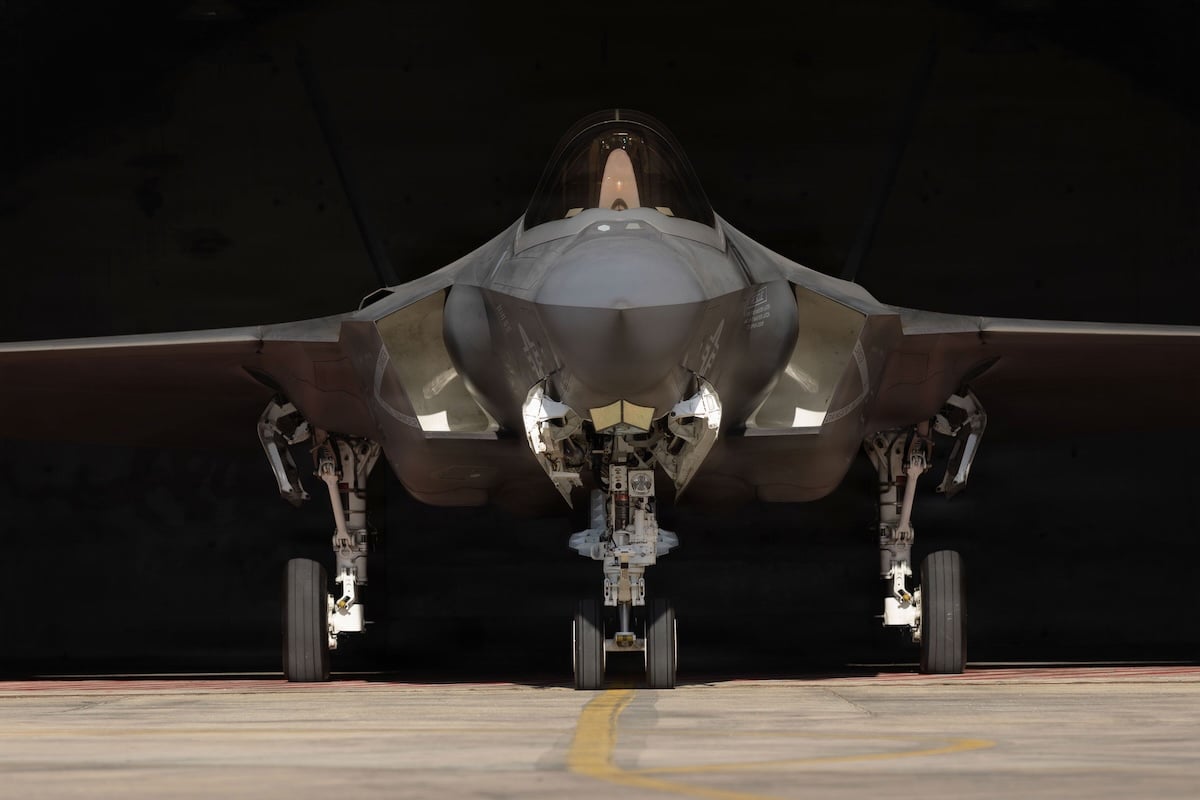
The framework also includes international customer orders across production Lots 21–30. Total production would remain at 156 aircraft annually for U.S. and international customers combined.
Combining aircraft production with purchases of spare and modification parts would give suppliers longer-term demand visibility. Lockheed Martin said that certainty would support investment, bulk purchasing and more efficient manufacturing.
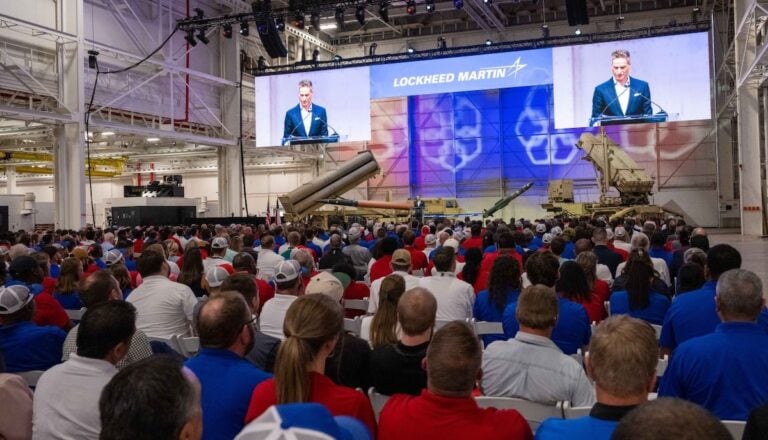
“With the greater certainty that comes from the U.S. government’s transformative approach to F-35 production and sustainment, we can make the upfront investments needed to expand capacity, improve efficiency, and build a more resilient supply chain,” said Jim Taiclet, Lockheed Martin’s chairman, president and CEO. “That’s good for the taxpayer, good for our suppliers and, most importantly, good for the United States and its allies.”
Pricing and schedules remain open
The framework includes initial spares associated with the aircraft and 10 years of modification kits and sustainment. If multiyear authority and appropriations are granted in the coming months, the F-35 Joint Program Office and Lockheed Martin will finalize contract terms, pricing and schedules.
Lockheed Martin expects long-term pricing and volume discounts to save taxpayers billions of dollars over the F-35’s lifecycle. The announcement did not disclose a contract value or provide a detailed savings estimate.
Parts availability central to readiness
The proposed arrangement includes investment in industrial capacity and logistics, building on Lockheed Martin’s existing contributions to the global spares pool. Integrated analytics would provide visibility into parts inventories and readiness metrics, linking spending to operational outcomes.
“Our new multiyear framework gives suppliers stability to plan for the future and invest with confidence, improving readiness across the F-35 fleet,” said OJ Sanchez, president of Lockheed Martin Aeronautics. “This, in addition to the investments Lockheed Martin is making to the global spares pool, will directly translate into higher mission capable rates and a more resilient supply chain – critical capabilities the warfighter needs to meet today’s mission and prepare for tomorrow’s threats.”
International customers would also benefit from procurement economies and improvements to the global sustainment network, according to the company. Lockheed Martin projects that the program will support 317,000 U.S. jobs and generate approximately $79 billion in annual economic activity over the next decade.
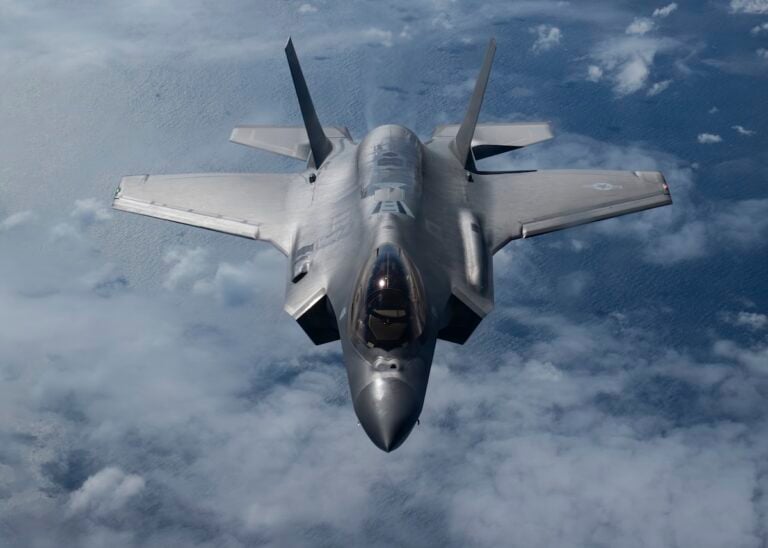
More than 1,375 F-35s are fielded worldwide, and the fleet has surpassed one million flight hours, according to Lockheed Martin. The aircraft operates from 42 bases, with 13 nations operating it from their own territory.