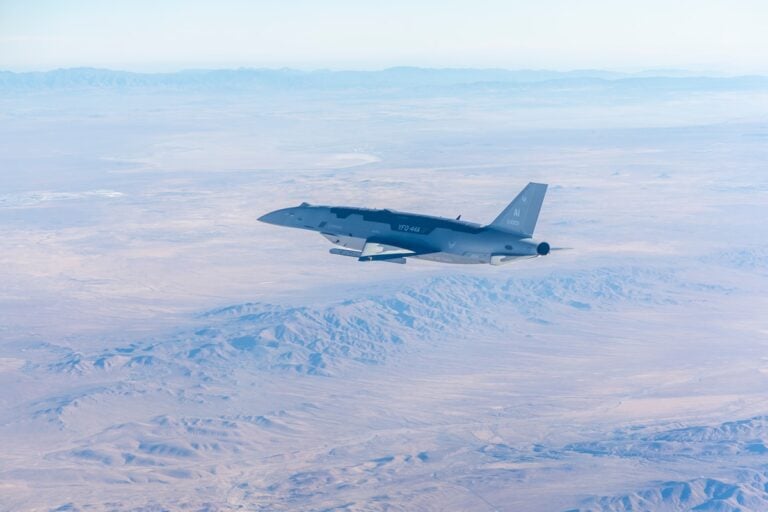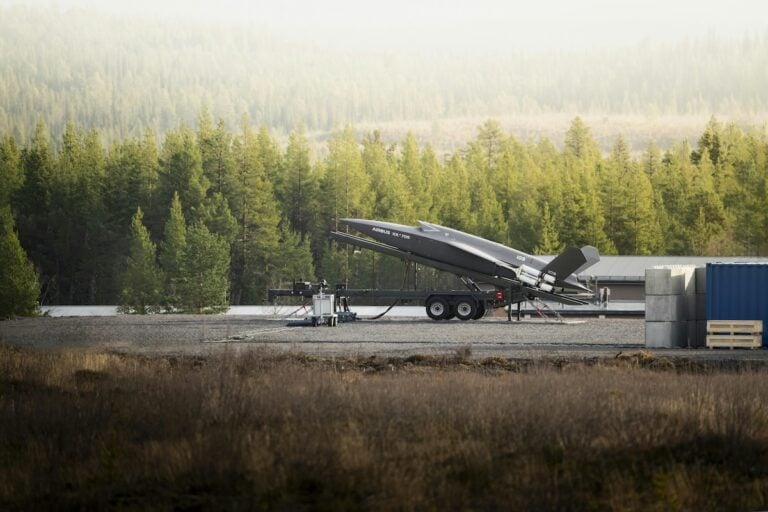
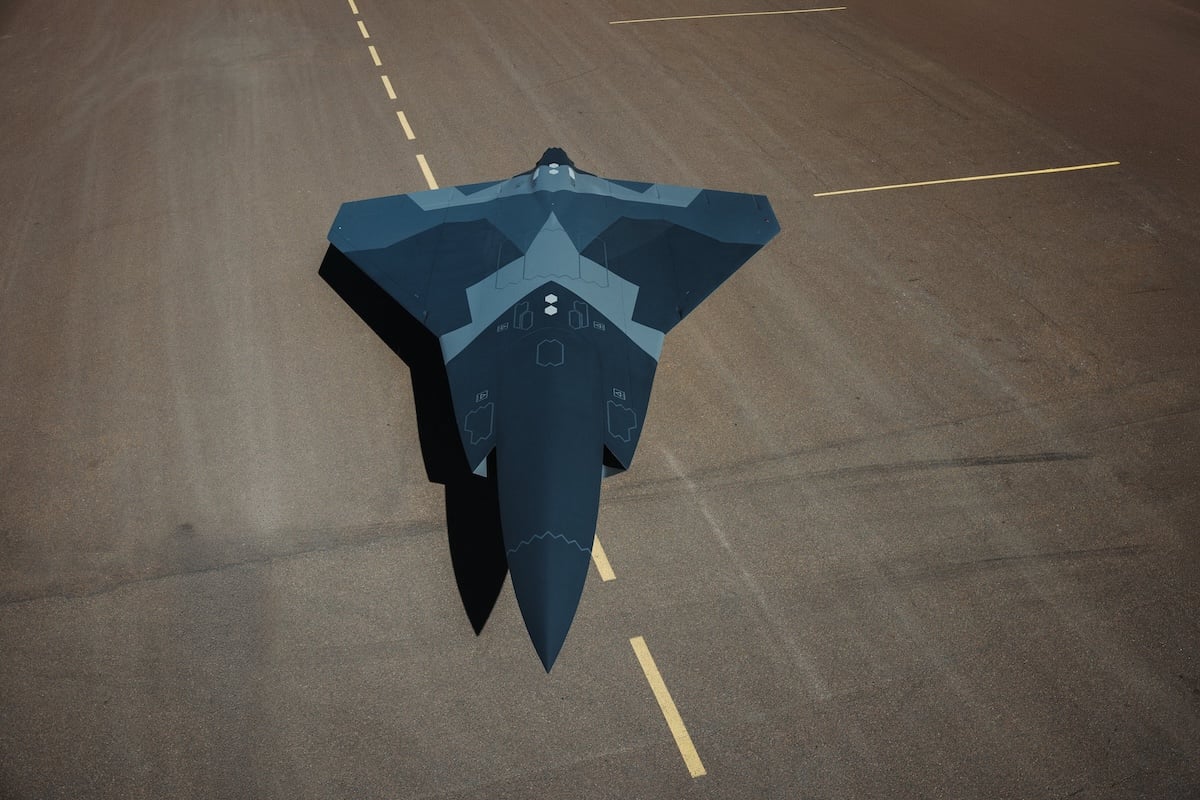
Johansson described a platform intended to return from missions while accepting greater risks than a crewed aircraft. He said Saab’s Aeronautics business was pursuing a sophisticated unmanned capability with substantial weapons capacity and a sensing role.
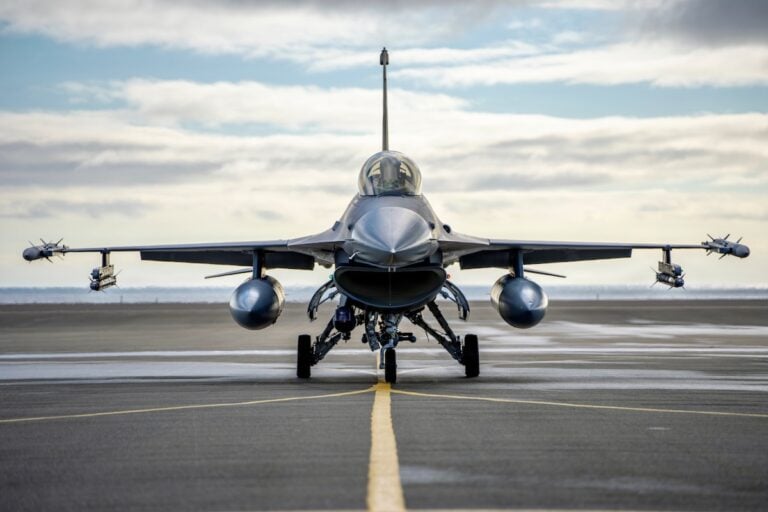
“They can act on their own, but they can also act together with the Gripen E fighter, for example,” Johansson said. “They are not attritable, but they can still take a bit more risks since they are unmanned.”
Saab has begun showing its approach to the aircraft, although Johansson cautioned that the A3 name could change. He did not give a unit price, identify weapons or set a date for operational service.
“It might be called something else in the future, but that is an uncrewed aircraft which will complement the Gripen E, of course,” he said. The development is part of broader work on capabilities to complement Gripen E and address requirements beyond the fighter.
Johansson said more than 600 people were working on that broader effort, supported by Swedish military users and the country’s defense materiel organization. He highlighted a new Swedish contract for future systems without assigning a specific share of the workforce or funding to A3.
Manufacturing preparations are also part of the work, with Johansson saying autonomous systems would need to be industrialized as Saab moved into flying them. He did not announce a production schedule or planned output for A3.
Separately, Saab has established a business unit within Dynamics to develop one-way effectors for strike and counter-drone missions. Johansson said European armed forces were still incorporating those weapons into their operating concepts and that the scale of the Western unmanned systems market remained difficult to quantify.
Source: Saab AB (SAABY) Q3 FY2026 earnings call transcript.pdf