The agreement recognises the training and competence of technicians from the Royal Air Force and Royal Norwegian Air Force. It allows them to undertake servicing on the other nation’s aircraft, including during periods of heightened operational demand.
“This is another tangible step towards the more integrated and agile force that modern warfighting demands,” said Group Captain Alex Hunter, No. 1 Group Chief Air Engineer and Group Captain Support. “Cross-servicing is about much more than engineering cooperation: it gives commanders greater freedom of action by allowing Allied forces to operate, recover and regenerate aircraft from a wider range of locations with a smaller support footprint.”
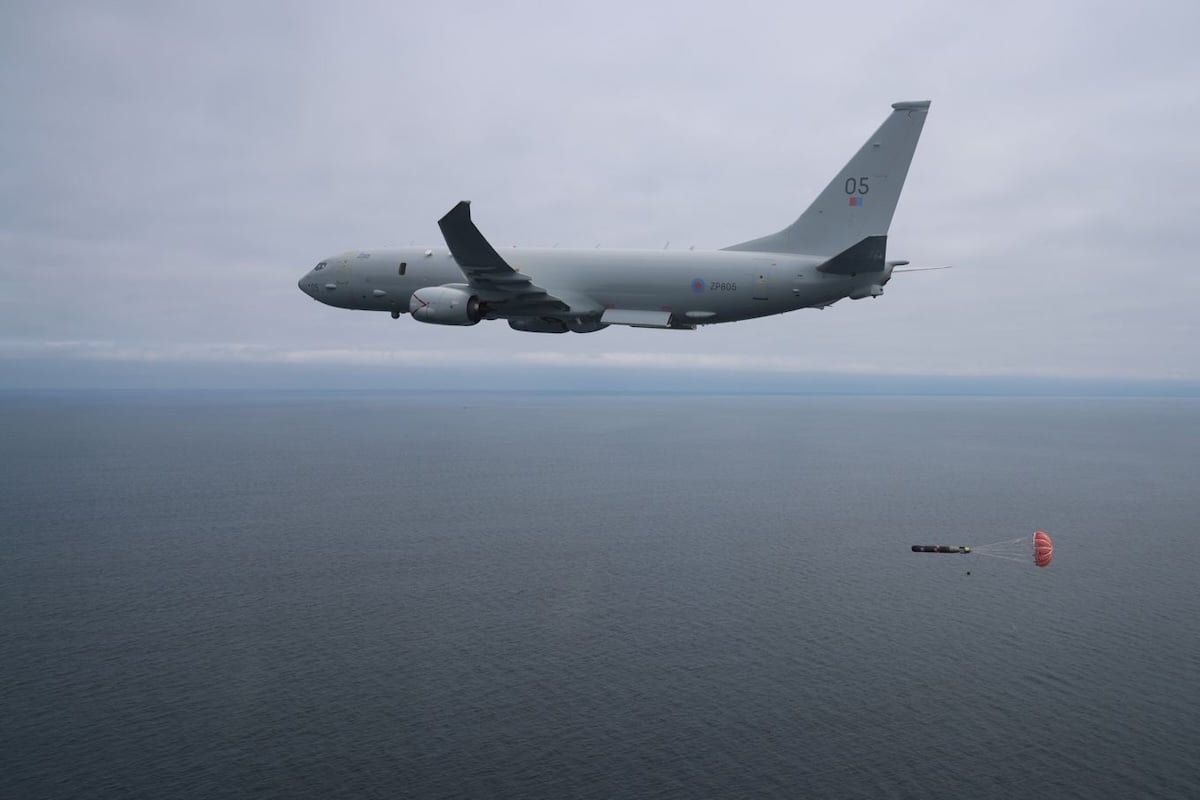
The UK and Norway operate the same P-8A platform and share a commitment to security and freedom of manoeuvre in the North Atlantic and High North. The RAF said the agreement would improve readiness for anti-submarine warfare, maritime surveillance and collective defence missions.
By allowing technicians from either country to support the aircraft, the arrangement is intended to reduce the support burden on deployed forces. It also gives commanders more flexibility over where aircraft can operate, recover and be prepared for further missions.
“That resilience and flexibility is central to NATO’s ability to generate credible air power at the speed and scale required,” Hunter said. The RAF described the initiative as part of the growing UK-Norway defence relationship and an effort to strengthen NATO’s maritime capabilities through technical cooperation.
The agreement took 18 months to develop, with the two air forces identifying differences in their maintenance practices. It was finalised at the sixth Joint Endeavours for the Discussion of Initiatives conference, known as JEDI VI, in Greenwood, Canada.