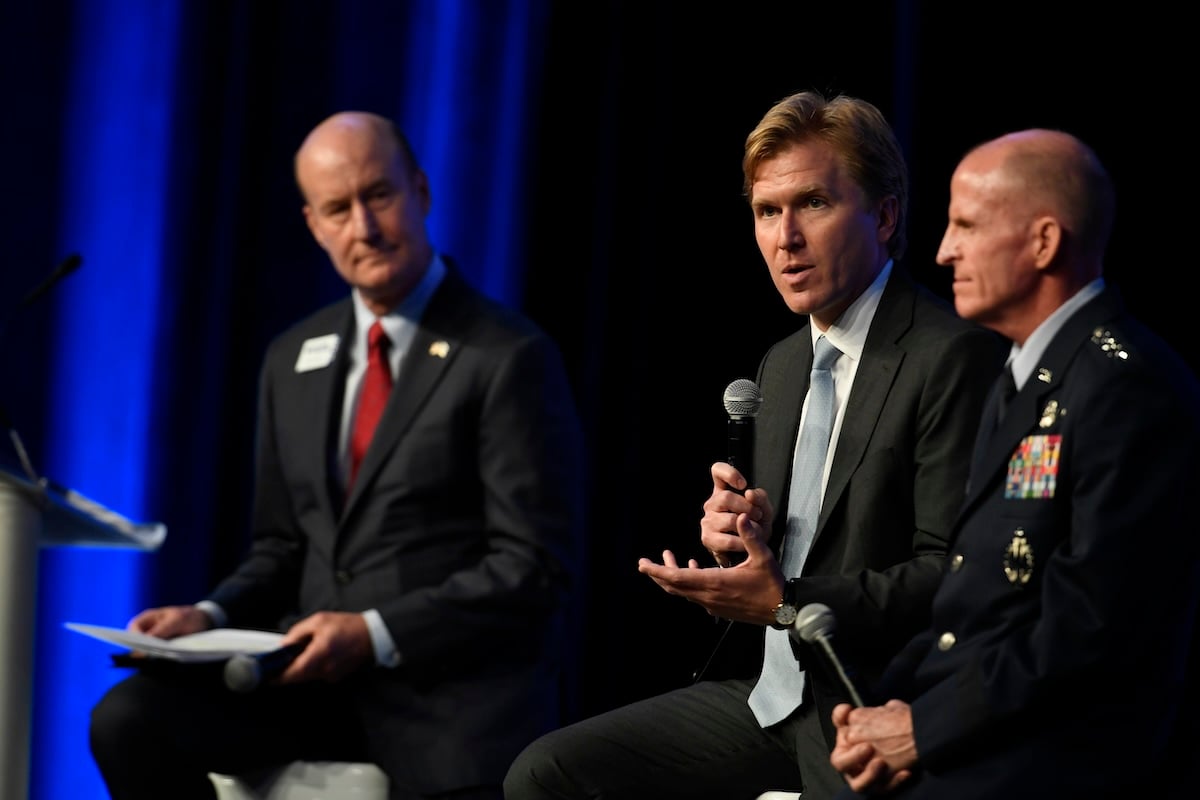
“In particular, we strongly oppose measures to exclude American firms from competition in European markets,” Colby said. He argued that such restrictions would undermine Europe’s security and said suppliers from other non-EU NATO members should also be able to compete.
Colby called for a negotiated balance between access for American companies and economic benefits for Europe. He identified joint ventures, licensed co-production and shared development as ways to achieve that balance, particularly in integrated air and missile defense, artillery, precision munitions and supply chains.
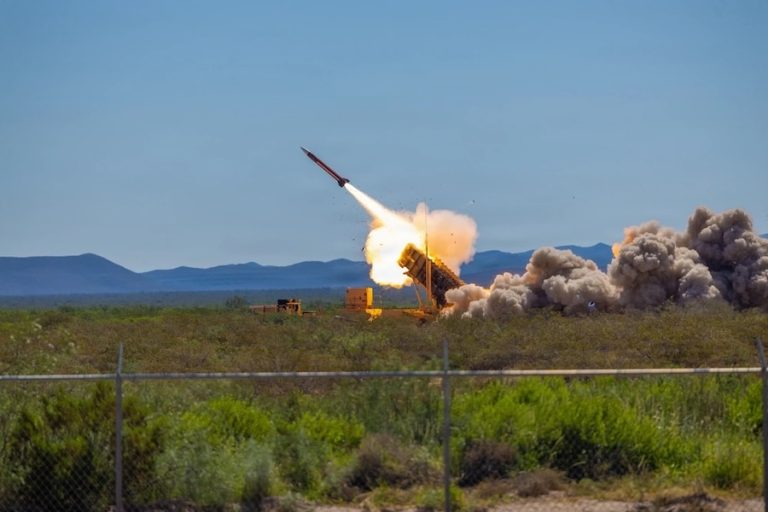
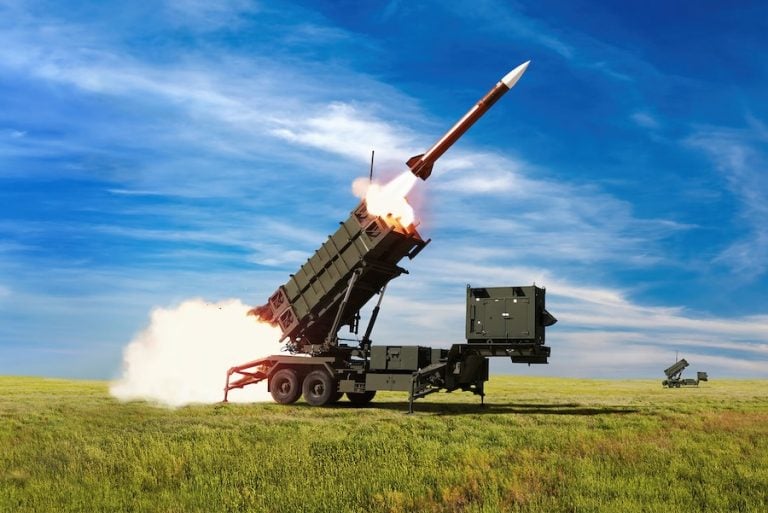
“Thus American firms should be able to compete in Europe, but we also understand Europe will want to benefit from those efforts,” he said. He pointed to Poland’s combination of U.S. weapons purchases and local industrial partnerships, and to Patriot missile production in Bavaria, as examples of cooperation that could strengthen European readiness and manufacturing capacity.
European voters would reasonably expect higher defense spending to benefit their economies, Colby said. He nevertheless warned that separate national industrial strategies could waste money and produce inferior military capabilities, urging governments to invest at scale against NATO’s requirements.
“For us as for many in Europe, this means an integrated transatlantic defense industrial base open to European and American businesses,” he said. EU-level efforts could help generate the production scale needed for advanced capabilities, provided they prioritized military effectiveness and remained open to transatlantic suppliers, he argued.
The proposed industrial cooperation accompanied a wider shift in military responsibilities that Colby described as NATO 3.0. European allies would take the lead in their conventional defense, with US forces providing critical but more limited support.
Washington was prioritizing the defense of the U.S. homeland and hemisphere and deterrence by denial along the First Island Chain, Colby said. He described the possibility of simultaneous conflicts as the central planning problem, while stressing that the administration wanted to prevent that outcome.
Colby praised European governments for increasing spending and committing to forces aligned with NATO capability targets. He cited NATO leaders’ pledge to spend 5% of gross domestic product on defense and security, including 3.5% on core military capabilities, as evidence of the shift.
Germany was moving to meet its commitments by 2029, six years before the deadline, while adapting its industrial base to help rebuild military capacity, he said. Colby also highlighted Poland’s spending above 4% of GDP and rapid progress in Denmark, Finland, the Netherlands, Norway and Sweden.
European countries had stepped forward to fill requirements after the United States withdrew forces from the NATO Force Model, Colby said, singling out France for credit. He also described work to revise capability targets and force-planning criteria, alongside U.S. cooperation with faster-moving allies through the Bergen Group.
The Europe Posture Review would bring the U.S. military presence into line with the revised division of responsibilities, he said. Colby said he was working closely with General Grynkewich and expected to present the report to the defense secretary soon, following extensive consultations with allies.
He also rejected proposals for groups of smaller countries to develop alternatives to American military capabilities, using the F-35 as his main example. He argued that an effort to build a competitor would take too long and risk wasting European and Canadian money, while noting that European production work on the F-35 already supported jobs.
Greater European spending and responsibility would give Europe more influence in the transatlantic relationship, Colby said. “With Europe spending hundreds of billions more Euros and assuming key roles in NATO, Europe will have more leverage and standing, making our transatlantic relationship more durable, pragmatic, and balanced.”
Colby also warned that U.S. industry’s ability to meet European demand depended on sufficient funding, citing the president’s defense budget proposal, production-line expansion and efforts to address foreign military sales and technology-sharing bottlenecks. “I should stress that, if we do not receive adequate funding, it will severely hamper our ability to meet not only our but particularly allied demand,” he said.