The company said the radar is up to ten times cheaper than many existing passive systems. Live trials with law enforcement, defence and critical infrastructure partners are planned throughout 2027.
Conventional radar emits signals that an adversary can detect, potentially exposing the equipment’s location. BAE Systems’ technology instead uses transmitters already operating in the surrounding environment to detect and track objects without broadcasting a radar signal of its own.
“We’re harnessing the signals that all of us use already in our day to day lives to give police and armed forces the ability to protect us far more cheaply and safely than current passive radar systems,” said Chris Shepherd, product manager for CUxS at BAE Systems’ Digital Intelligence & Land business.
“While people are sat at home watching TV, our new radar technology can use transmissions from TV and radio broadcasts without disturbance to keep crucial infrastructure such as power stations and air force bases safe from drone attacks.”
The radar produces a three-dimensional air picture, tracking targets from small drones to larger aircraft, according to the company. It supplies information on speed, heading, range and altitude that can be used to track and engage hostile threats.
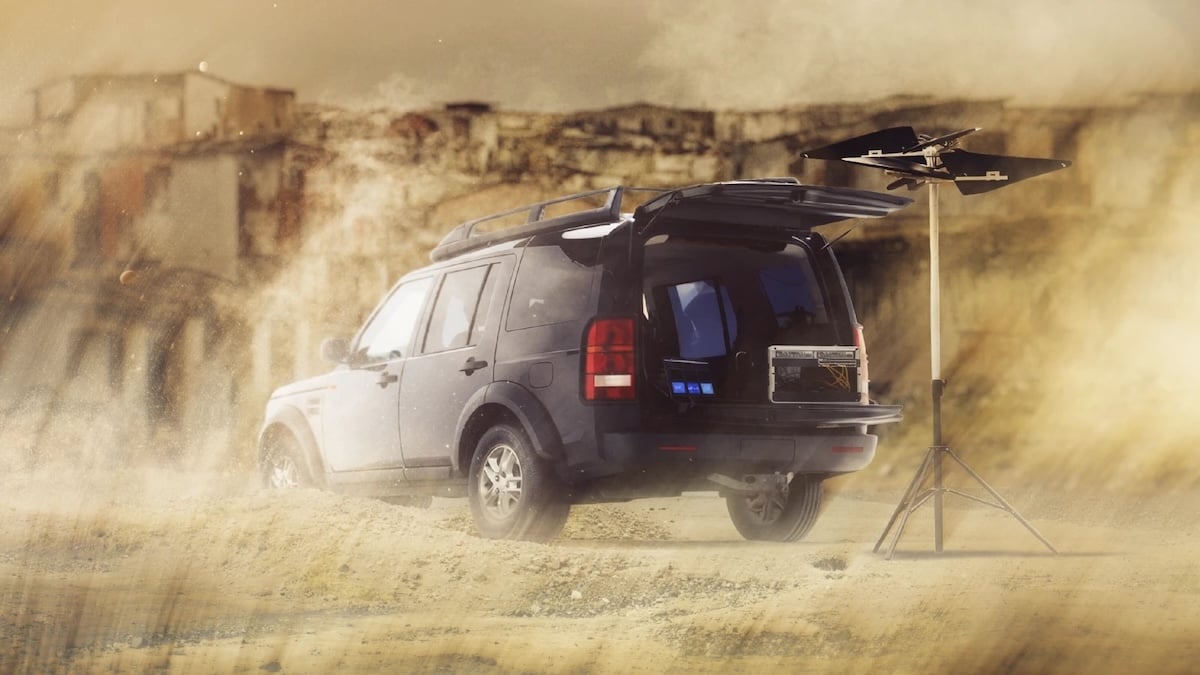
The equipment is small enough to be deployed from SUVs, allowing it to operate in a wide range of urban environments. BAE Systems identified law enforcement, critical infrastructure protection and military operations as potential uses.
“It also provides a boost for armed forces, allowing a soldier to monitor the battlefield undetected,” Shepherd said. The company described the radar as invisible in the radio frequency domain because it does not transmit.
Originally developed for defence, the technology is also intended for civilian locations where emissions can restrict the use of active radar. BAE Systems said airports and critical infrastructure sites could use the passive system without disrupting existing electromagnetic activity.