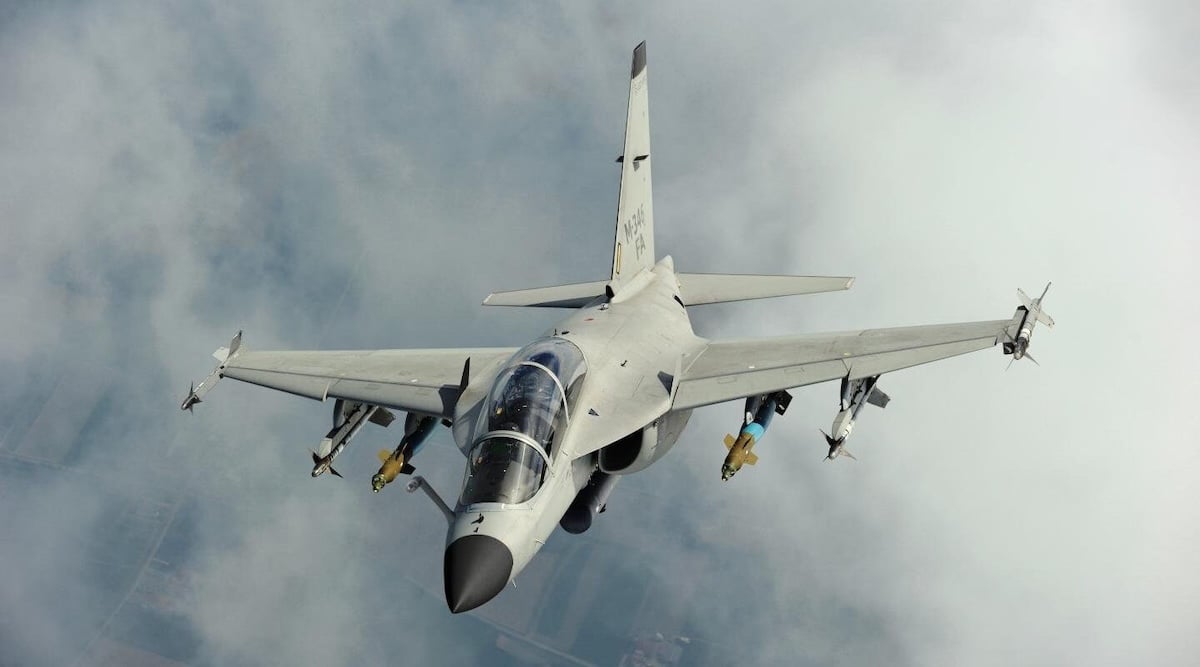
The milestone covers cumulative service across military fleets worldwide, including aircraft used for advanced training and fighter missions. The F124 remains in production and powers the Leonardo M-346 and Aero Vodochody L-159 Advanced Light Combat Aircraft, among other aircraft.
“The term ‘proven’ is one of the most overused words in aerospace,” said Dave Marinick, president and CEO of Engines and Power Systems at Honeywell Aerospace. “For a military training engine, it should mean something specific: real military operating history, relevant duty-cycle experience, demonstrated reliability under operational stress and a sustainment architecture built to keep aircraft flying.”
Honeywell and its partners use operating data from different fleets, environments and missions to improve reliability, maintainability, durability and support. The F124’s modular architecture allows maintenance teams to identify service requirements and return engines to operation efficiently.
“The experience of the F124 engine family is already embedded in the fleet, and it continues to inform how we, together with our partners and operators, support and improve the engine,” Marinick said. Honeywell said the accumulated records also help operators and engineers make maintenance and sustainment decisions.
For military training programs, aircraft availability determines how many sorties a fleet can generate and ultimately how many pilots it can train. Honeywell argued that an engine already in production and service, backed by an established support network, reduces the development and validation work needed to meet operational requirements.
“The F124 brings together three key attributes customers value: proven performance in service, an active manufacturing supply chain and a reliable sustainment system generating high readiness levels,” said Matt Milas, president of Defense and Space at Honeywell Aerospace. “For customers evaluating aircraft requirements, that combination reduces risk because the engine is already being produced, operated and sustained today flying these missions.”
“You do not have to wait for a development program to mature and the supply chain to ramp up before benefiting from proven manufacturing and sustainment capabilities,” Milas said. Honeywell said it continues to invest in U.S.-based manufacturing, testing and sustainment capabilities for future F124 requirements.
The planned Phoenix expansion will increase domestic capacity to manufacture and support the engine. The company’s Phoenix Engines campus brings together propulsion engineering, manufacturing and support expertise, with the expansion intended to serve future U.S. military needs.