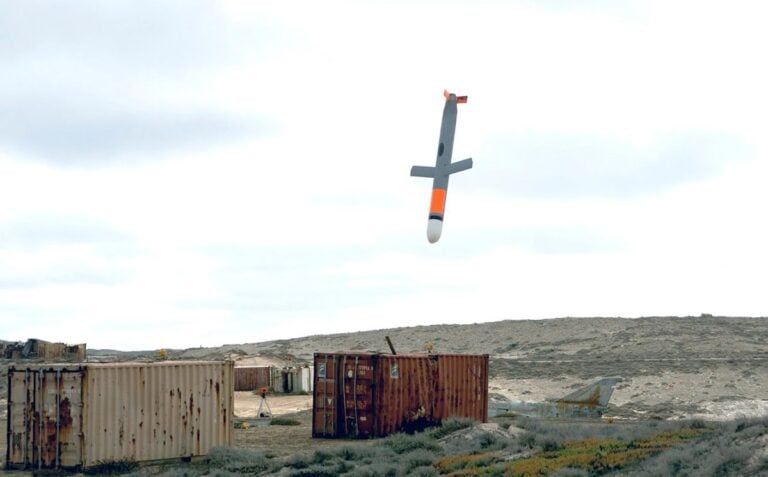
German firms are among the leading candidates, according to Camille Wilson, Raytheon’s vice president for requirements and capabilities, though no companies have been named.
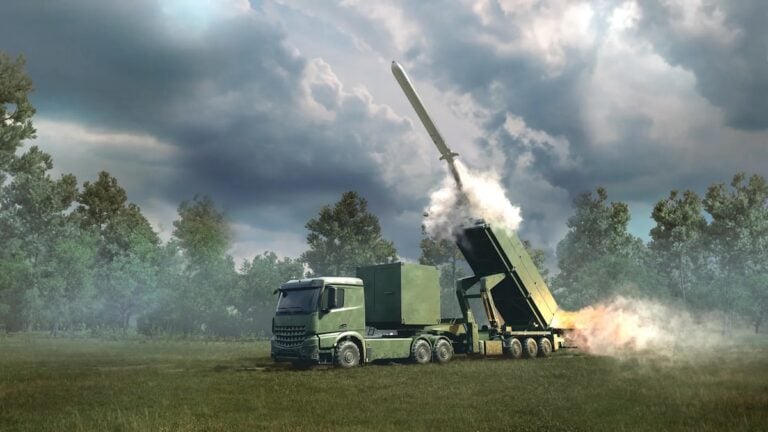
The search comes as Germany considers buying up to 400 Tomahawks and an initial three land-based Typhon launchers.
Berlin and Washington signed a letter of intent at the NATO summit in July, following preliminary talks Germany began in early 2025.
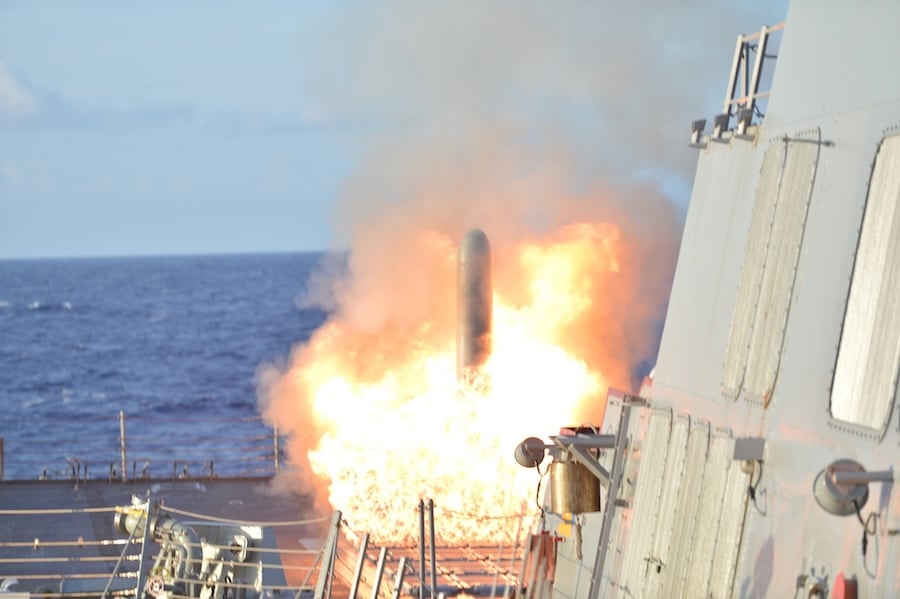
Berlin sees the Tomahawk as a stopgap that would allow it to strike strategic targets deep inside Russia while it invests in other cruise missiles for use from land, sea and air.
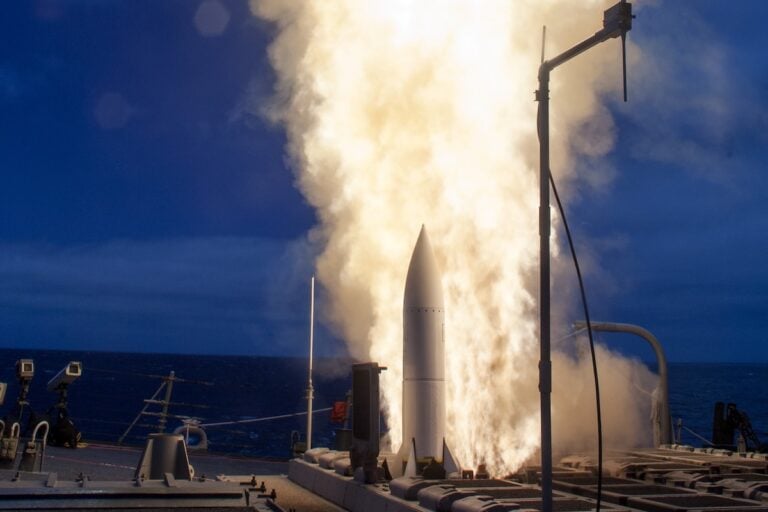
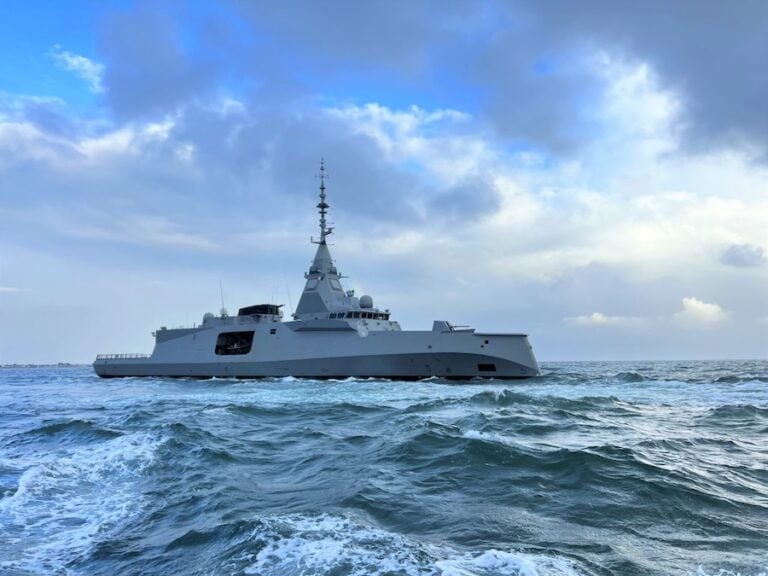
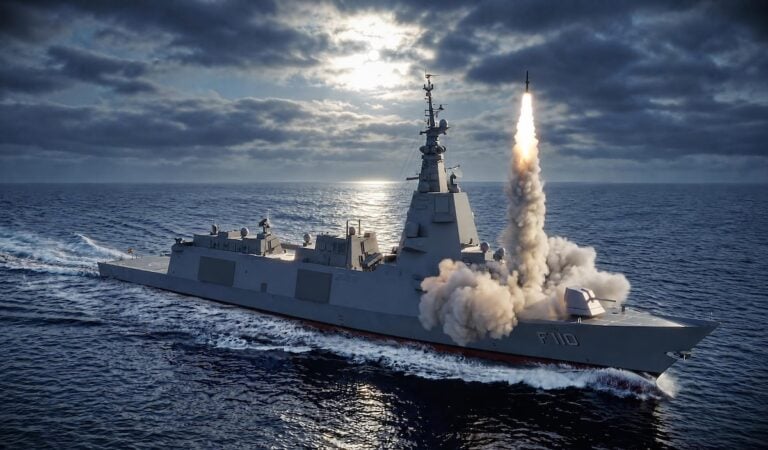
Some of the missiles under consideration could also arm future German frigates.
Germany’s interest in buying its own launchers follows Washington’s decision to drop plans to deploy U.S. Typhon and Dark Eagle missile systems on German soil.
Berlin is aiming for deliveries in 2029, a timetable that could be difficult to meet given limits on U.S. production and the need to rebuild American stocks.
RTX delivered three times as many Tomahawks in the first half of 2026 as it did a year earlier under existing contracts.
Production of key components reportedly rose more than 90% over the same period.
On Aug. 17, RTX and the U.S. Department of War announced a $22.9 billion multiyear framework agreement for Tomahawk production and deliveries.
The agreement is intended to replenish stocks drawn down during the conflict with Iran and expand the U.S. military’s long-range strike capability.
The U.S. military remains the main customer, but some new production could go to overseas buyers.
Australia, Japan and the Netherlands receive Tomahawks through the U.S. Foreign Military Sales program, and the United Kingdom previously bought the UGM-109 variant.