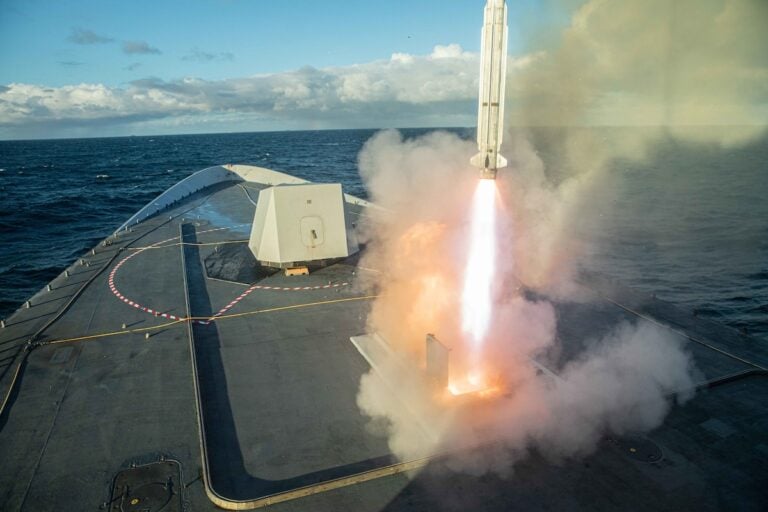
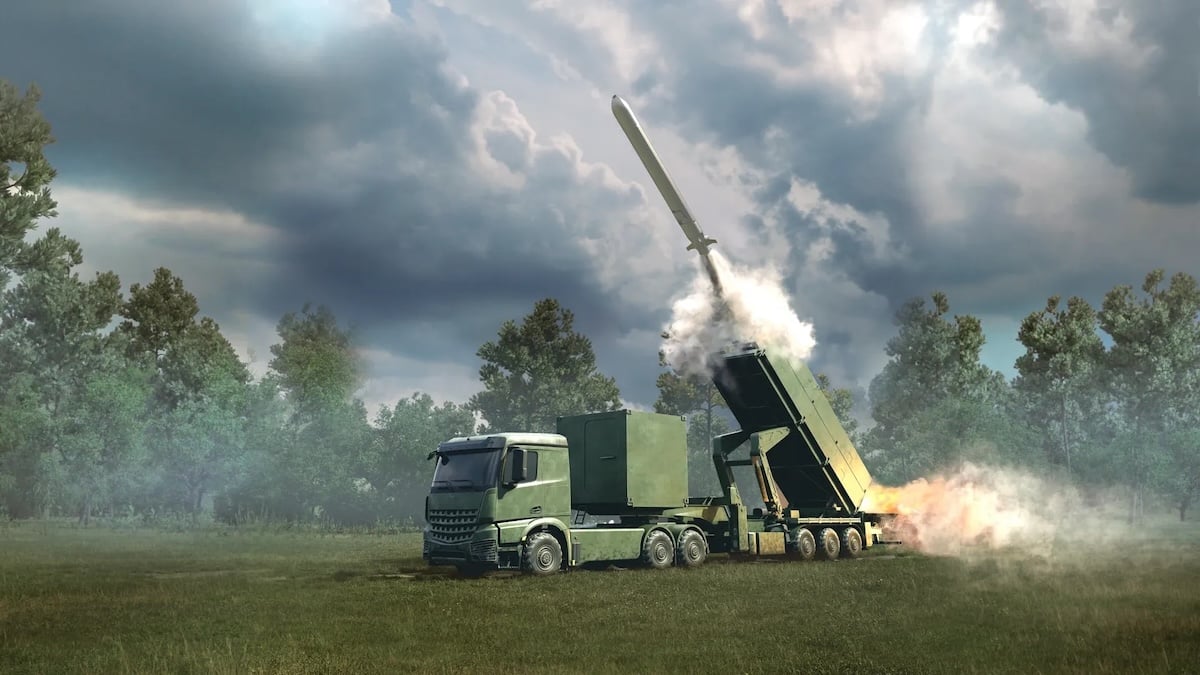
The project forms part of the Trinity House Agreement, signed in October 2024 and reinforced by the Kensington Treaty. The ministers linked it to strengthening Europe’s contribution to NATO and supporting jobs across British and German industrial supply chains.
“We noted the significant progress in our landmark project to develop Deep Precision Strike (DPS) capabilities, with ranges over 2,000 km, to be delivered within the decade, supporting jobs across the supply chain for UK and German industry,” they said in their joint statement. Their teams have been instructed to maintain momentum through 2027, with a continued focus on delivery and tangible outcomes.
The commitment places long-range strike within a broader effort to increase the capabilities and forces Europe can provide for collective defence. The ministers said the security of Britain and Germany was inseparable from that of Europe.
“We share a responsibility to strengthen the European contribution to NATO, reinforce deterrence and ensure Europe is increasingly able to provide the capabilities and forces necessary for our collective defence,” they said. The London meeting was the second Defence Ministerial Council held under the Trinity House Agreement.
Other work agreed at the council included expanding the Cyber Lighthouse Project to cover artificial intelligence and exploring closer defence cooperation in space. The countries’ national armaments directors also signed an implementing arrangement to advance cooperation on Sting Ray procurement.
Britain and Germany reaffirmed their support for Ukraine as co-chairs of the Ukraine Defence Contact Group. They said they would strengthen the connection between Ukraine’s military requirements and partners’ capabilities, while continuing work on security guarantees for implementation after hostilities cease and when conditions are right.