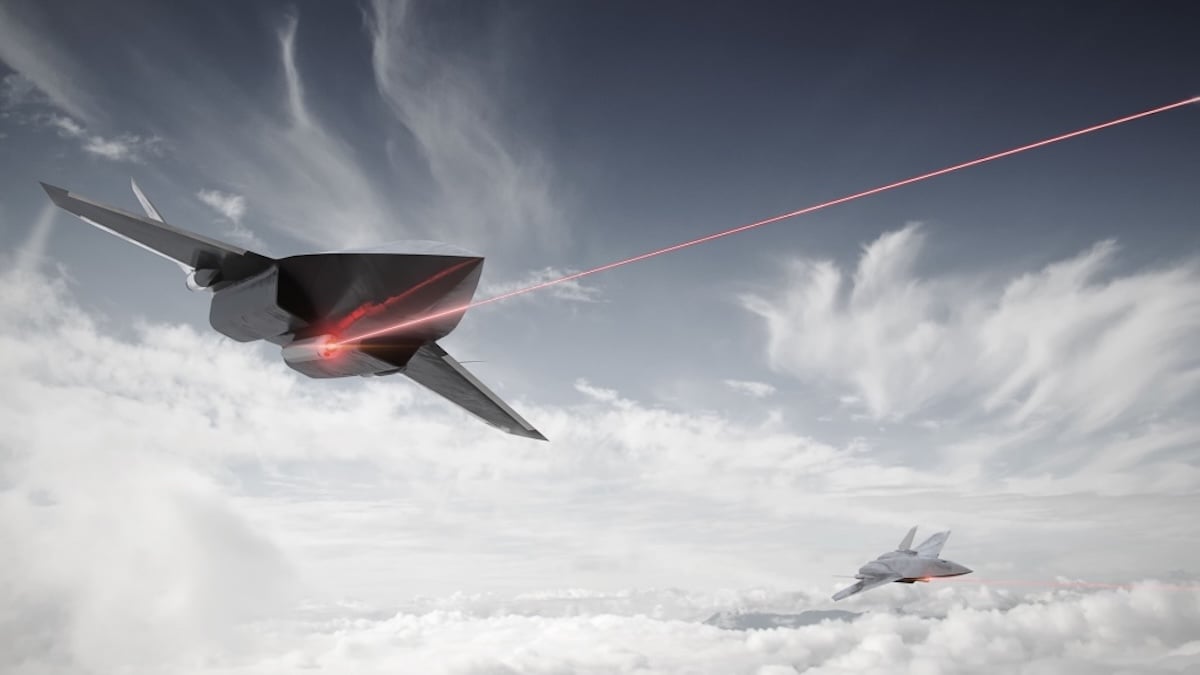
Under the BAAINBw contract, key components of the laser pod will be designed for eventual flight operations. The work must address tight size and weight limits, as well as the need for equipment to withstand flight conditions.
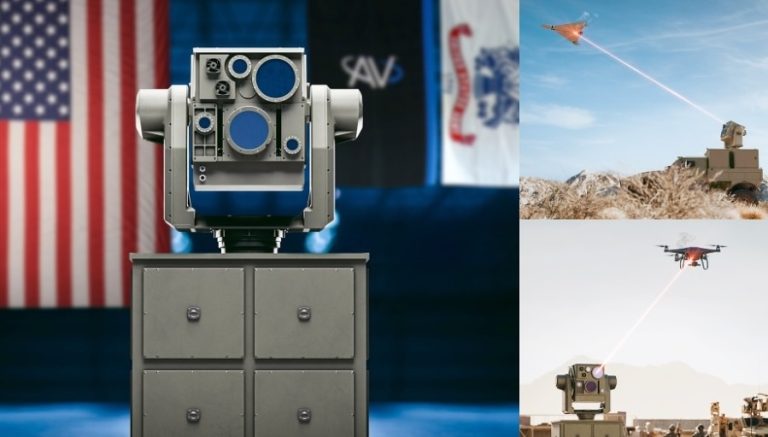
Airborne laser weapons are intended primarily to counter drones and cruise missiles. Their appeal lies in the ability to engage targets rapidly and precisely.
MBDA said it would prioritise German suppliers and domestic systems expertise to preserve national control over the technology. The company has invested its own funds in laser development over recent years, building and testing several demonstrators.
The contract extends that work into an area Germany has treated as a strategic research priority and national key technology since 2019. MBDA is pursuing laser effectors and weapons across the armed services, with potential applications in protecting aircraft, ships, vehicles, personnel and infrastructure.
MBDA employs more than 20,000 people and develops weapons for land, naval and air operations. Airbus and BAE Systems each own 37.5% of the group, while Leonardo holds 25%.