Australia requested a Theater Mission Planning Center, or TMPC, with associated communications systems, and a Mission Planning System. The package also includes engineering, training, program management, software and logistics support.
The proposal builds on earlier approvals for missiles intended for Australia’s three Hobart-class destroyers. It follows the country’s first Tomahawk firing from HMAS Brisbane during a test off the U.S. west coast in 2024.
The TMPC is one of three main elements of the Tomahawk Weapon System. The others are the shipboard Tactical Tomahawk Weapon Control System, or TTWCS, and the missile in its transport-and-launch canister.
Integrated with a ship’s combat management system, TTWCS manages mission data, initializes missiles and controls launches. It also supports communications with Tactical Tomahawk missiles in flight, allowing changes to their targets or routes.
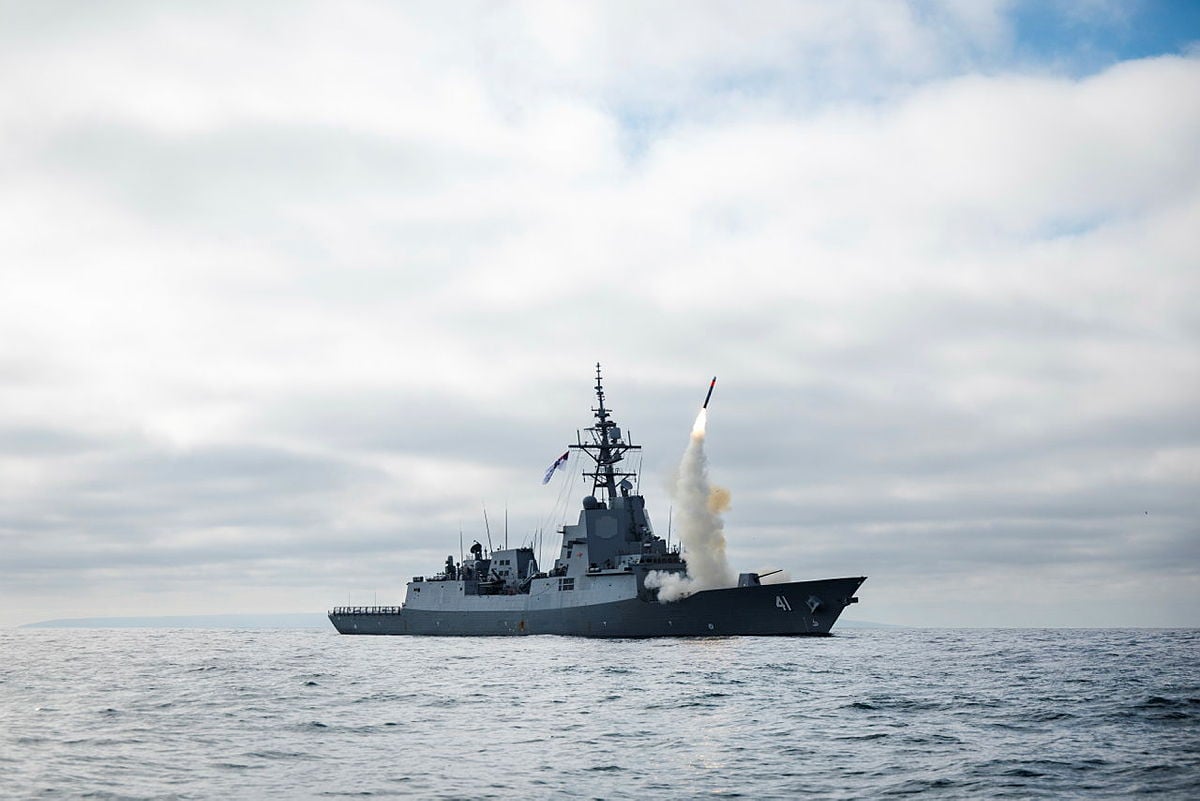
Australia announced plans to acquire Tomahawks for its Hobart-class destroyers in September 2021. The Navy’s December 2024 announcement confirmed that HMAS Brisbane had completed the country’s first firing.
That test made Australia the third country, alongside the United States and United Kingdom, to acquire and fire a Tomahawk. It followed Australian firings of the Naval Strike Missile and Standard Missile 6 earlier in 2024.
“The successful test firing of the Tomahawk missile demonstrates the strength of our alliance and defence cooperation with the United States, in support of a peaceful, stable and prosperous region,” the Royal Australian Navy’s announcement said. “By enhancing our own Defence capabilities, and by working with partners, we change the calculus for any potential aggressor so that no state will ever conclude the benefits of conflict outweigh the risks.”
Australia plans to acquire more than 200 Tomahawks for its destroyers and future naval platforms. Those plans include Virginia-class submarines and potentially Hunter-class frigates.
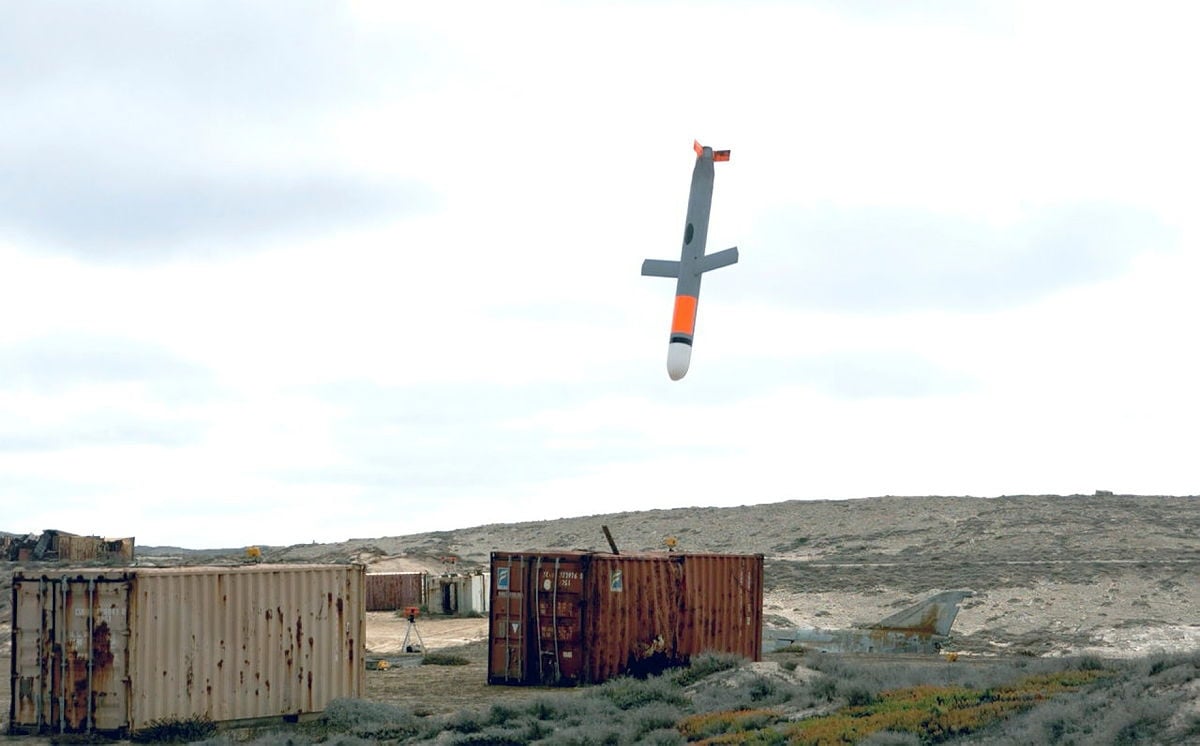
The Tomahawk Land Attack Missile is a jet-powered, subsonic cruise missile designed for all-weather operations. Its guidance options include GPS, inertial navigation and terrain contour matching.
The Royal Australian Navy lists a speed of 920 kilometers per hour and a range of 1,600 kilometers in its technical specifications. Its December 2024 firing announcement separately cited a range of up to 2,500 kilometers.
A solid-fuel booster launches the missile before its turbofan sustains cruise flight. The Navy describes the weapon as a means of holding potential adversaries’ forces at risk at extended ranges under Australia’s Strategy of Denial.
The State Department approved a possible sale of up to 200 RGM-109E Block V Tomahawks and up to 20 Block IV missiles on March 16, 2023. A January 2024 approval covered a possible $250 million sale of support services and related equipment.
Washington said the latest package would support Australian defense, regional deterrence and interoperability with U.S. and allied naval forces. It concluded that the transfer would neither fundamentally alter the regional military balance nor reduce U.S. defense readiness.
Implementation would not require additional U.S. government personnel or contractor representatives to be assigned to Australia. The approval concerns a possible sale, rather than confirmation of a completed purchase.