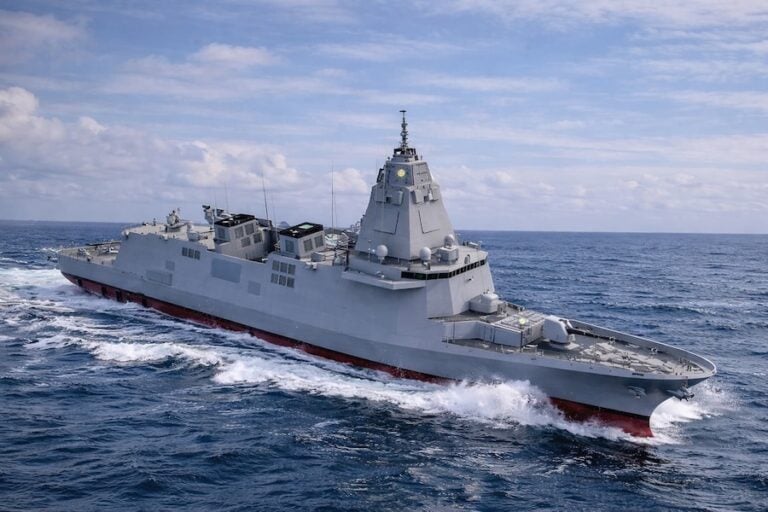
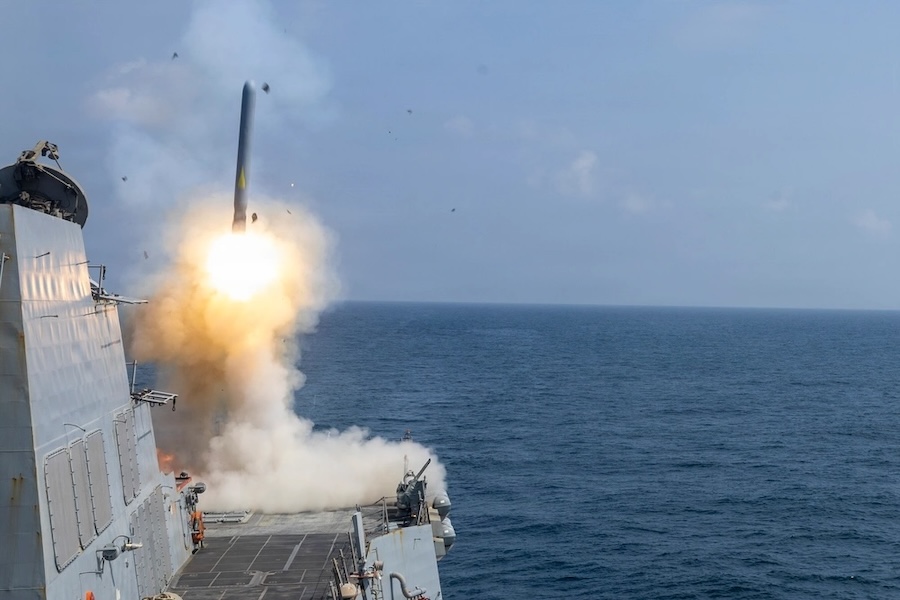
The warships reassigned to the Middle East included the USS Abraham Lincoln carrier strike group and elements of the Japan-based Tripoli Amphibious Ready Group. The Tripoli deployed with the 31st Marine Expeditionary Unit, adding amphibious and expeditionary forces to an operation already supported by two carrier strike groups.
U.S. Pacific Command also contributed to maritime interdiction, the blockade of Iranian ports and the tracking of ships across the region. The deployment placed Pacific-based naval forces at the center of a conflict far from the theater where they had previously been positioned.
Europe carried a broader operational burden, providing bases, airspace access, logistics and strategic lift for forces entering the U.S. Central Command area. Its infrastructure allowed aircraft and personnel to move quickly into the campaign while supporting the flow of weapons, fuel and other supplies.
U.S. European Command transferred munitions, equipment, aircraft and personnel while distributing fuel, food and medical supplies. European facilities also stored weapons, maintained combat assets and served as reception and staging points for deploying forces and people leaving the conflict zone.
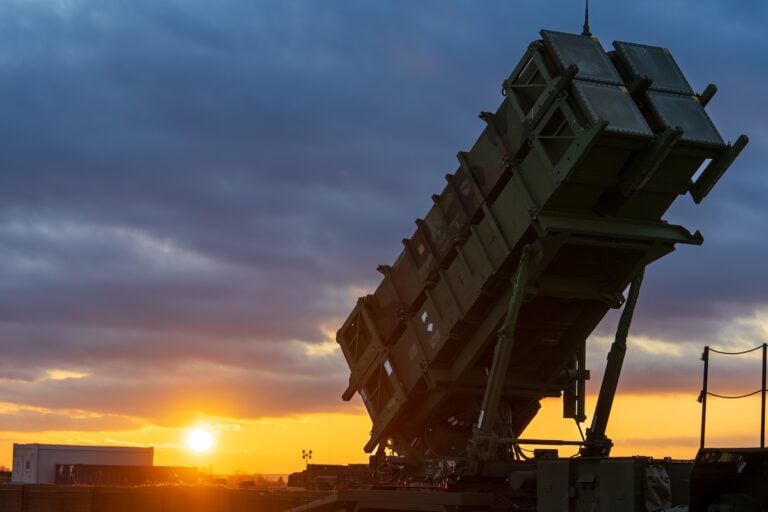
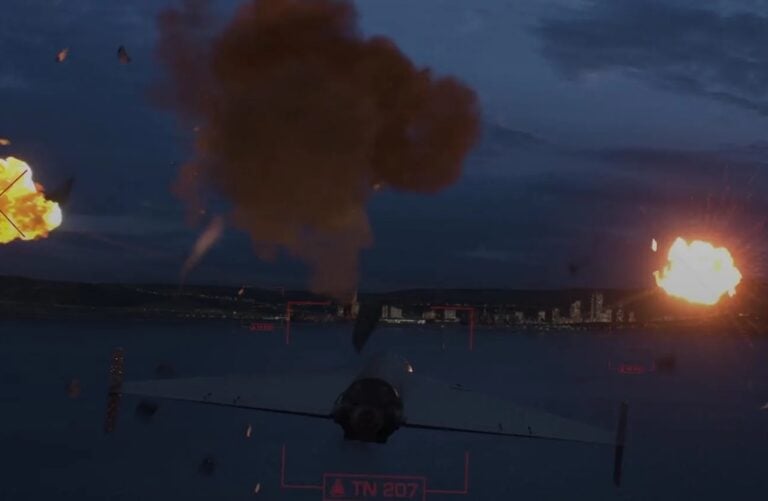
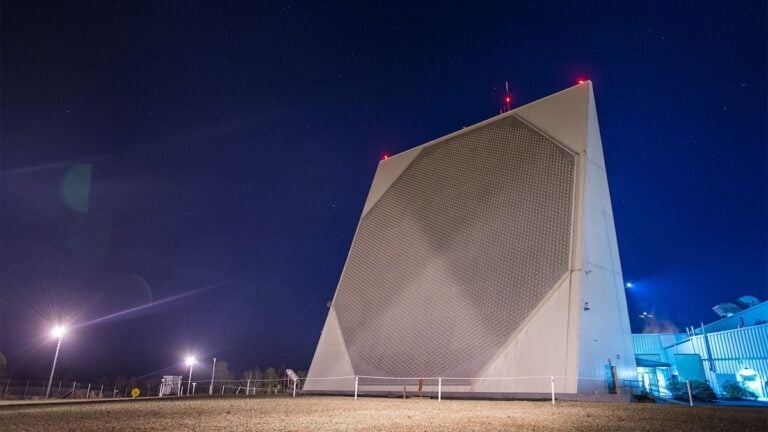
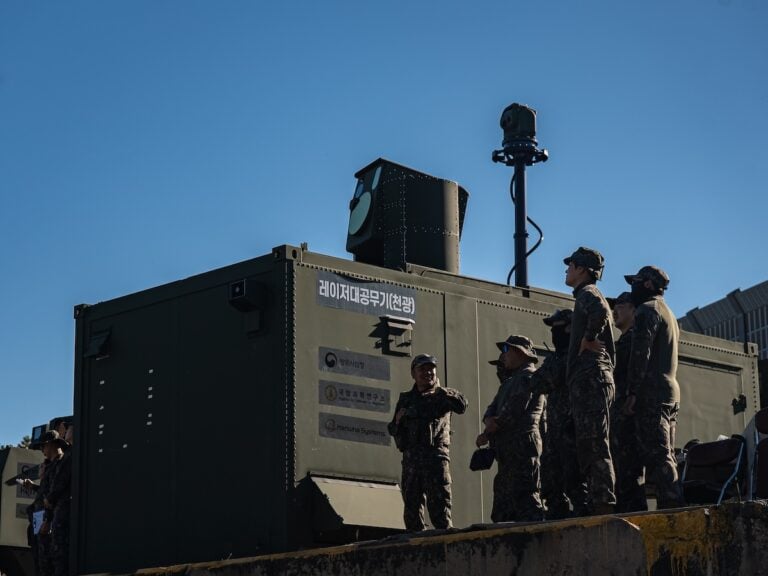
The theater provided more than rear-area support. Forward-deployed fighters, ballistic-missile-defense destroyers, air-defense batteries and counter-drone systems helped protect U.S. forces from attacks originating in the Middle East.
Those demands reflected the scale of Operation Epic Fury, which involved more than 50,000 U.S. service members across the Central Command region. At the height of the campaign, the force included more than a dozen fighter squadrons, more than a dozen destroyers and more than a dozen air-defense batteries.
Two carrier strike groups maintained continuous coverage during the reporting period, with the USS George H.W. Bush arriving in late April to replace the USS Gerald R. Ford. The handover preserved combat power in the region but required the United States to sustain a large naval presence alongside forces committed elsewhere.
The logistics operation was similarly extensive, with U.S. Transportation Command conducting more than 1,500 air missions. At peak activity, 30 to 40 aircraft flew directly into the Central Command region each day, while another 20 to 30 moved through Europe for cargo and personnel transfers.
Commercial cargo volumes increased from 9,000 to 74,000 cases a month, equivalent to about 2 million pounds and a 722% rise. Transportation Working Capital Fund obligations connected to the operation reached $2.36 billion by June 30.
Iranian missile and drone attacks also forced the U.S. Navy to shift sustainment resources from Bahrain to alternative locations. Diego Garcia provided additional support, but its distance from the operating area extended naval logistics cycles to between 14 and 18 days.
The deployment pattern exposed a central challenge for U.S. planners: a large campaign in one region can quickly draw on the ships, aircraft, bases and transport capacity intended to support commitments elsewhere. It also illustrated Europe’s continuing importance to American operations beyond the continent and the trade-offs involved in transferring Pacific forces to a distant conflict.
The force movements and operational figures were detailed in the Lead Inspector General report to Congress on Operation Epic Fury, covering the period through June 30, 2026. The report documented the scale of support provided by Europe and the Pacific but did not assess how the transfers affected U.S. readiness or deterrence commitments in either theater.