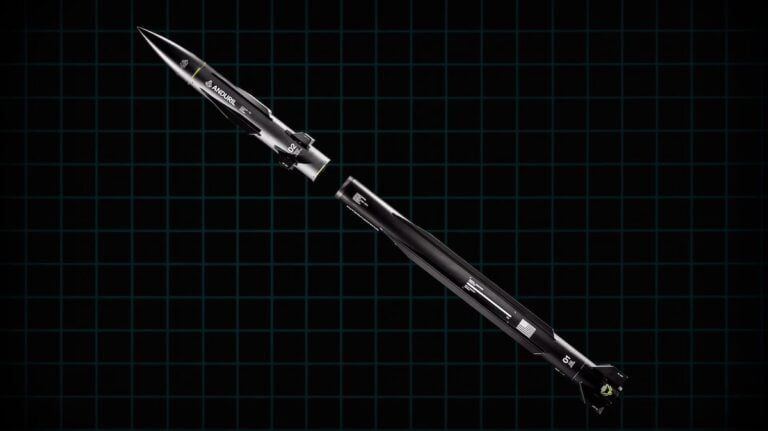

Steelfin uses a common two-stage architecture that allows different missiles to share components and production processes. Anduril is targeting a fraction of the cost of existing benchmark interceptors in each mission class, although it has not disclosed unit prices.
The company said its approach would give commanders more options for matching an interceptor’s capability and cost to a particular threat. It argues that repeatedly firing expensive defensive missiles at inexpensive weapons strains inventories during sustained operations.
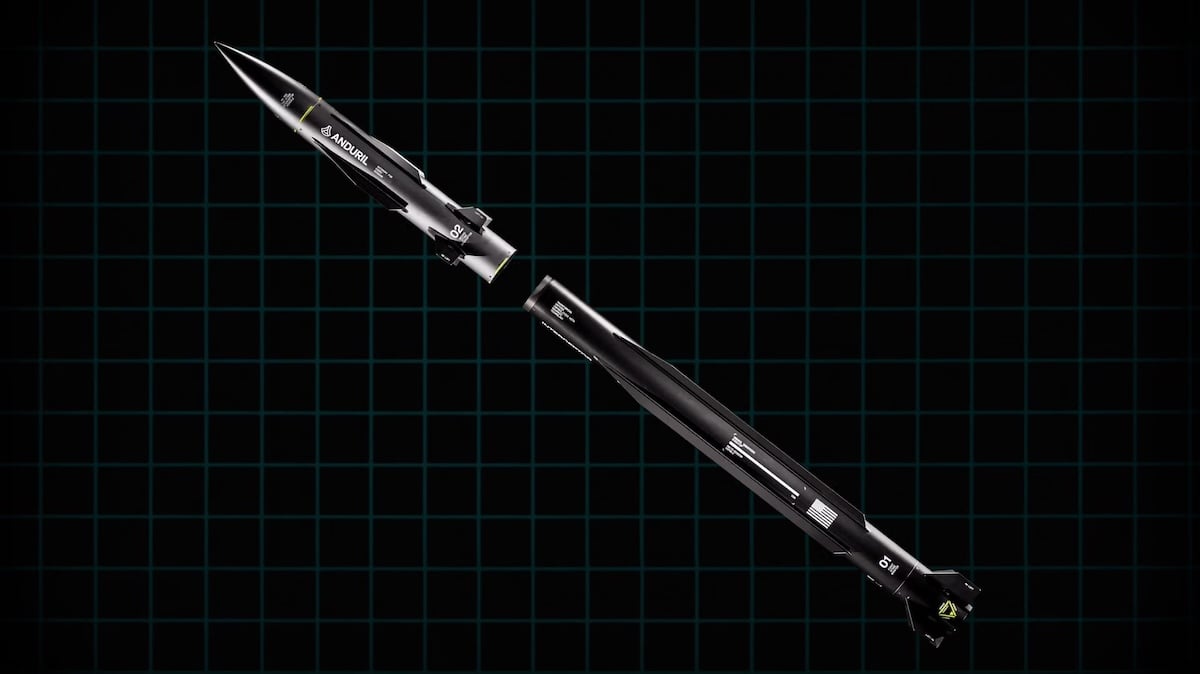
Steelfin consists of a first-stage booster and a second-stage terminal interceptor. Different solid rocket motor boosters can accommodate requirements for range, performance, launch configuration and packing density.
The terminal stage shares a baseline airframe, avionics, software, flight controls and interfaces across the family. Modular subsystem connections allow different seekers and mission equipment to be installed without redesigning the entire missile.
Anduril said variants could serve missions ranging from point defense and lower-tier integrated air and missile defense to upper-tier ballistic missile defense. The common design is intended to let the company adapt the missiles as requirements change.
Variants would move through the same production line using common tooling, technicians and facilities. Anduril said that arrangement would allow it to increase output of a particular version when demand rises.
The open interfaces also support commercial off-the-shelf components and competing subsystem designs from multiple vendors. The company said this would expand its supplier base and reduce the risk of production disruptions.
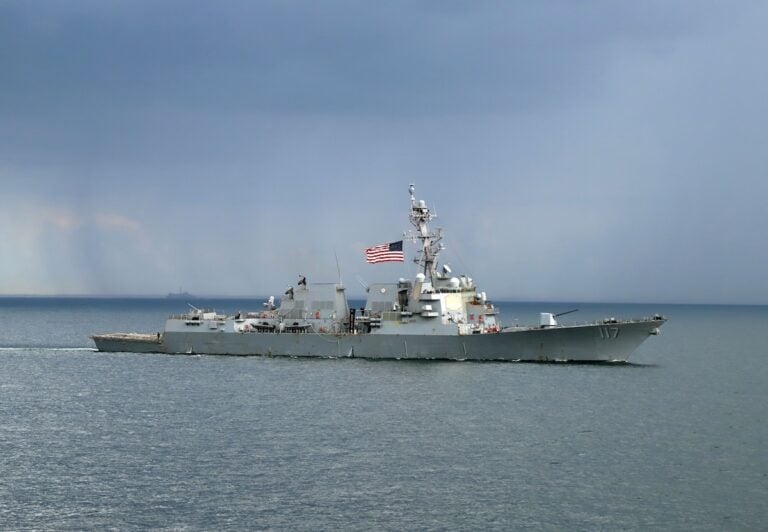
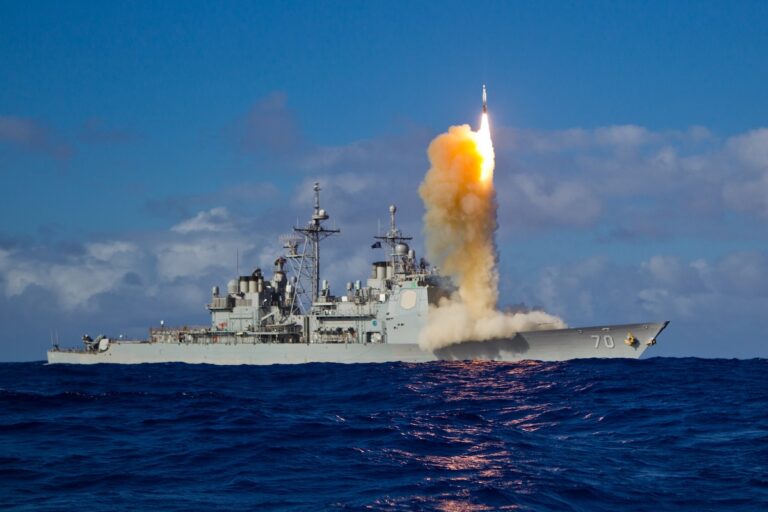
According to Anduril, Steelfin variants are compatible with the M903A2, Mk 41 Vertical Launch System, Typhon and emerging containerized launch systems. The missiles are also designed to integrate with fielded fire-control software, including Aegis and IBCS.
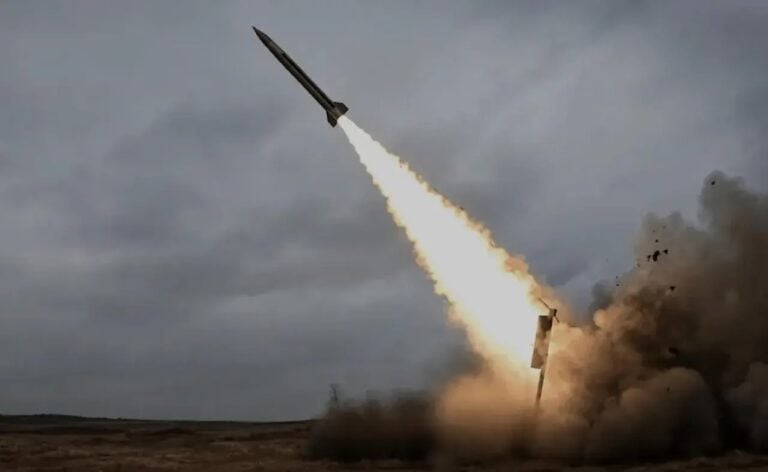
Anduril said it has spent years developing Steelfin, investing alongside multiple customers. It has completed ballistic testing with representative air vehicles but has not announced a fielding date.
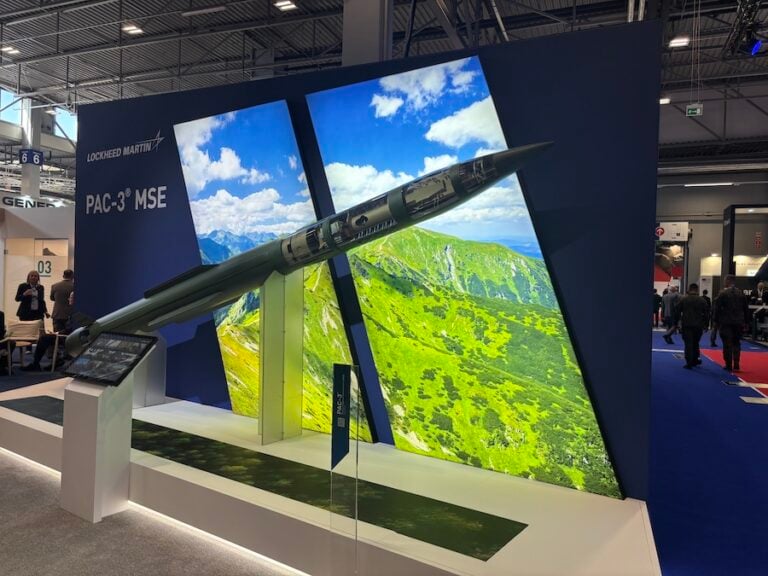
The announcement comes amid high demand for air and missile defense systems and investment in new interceptors. Lockheed Martin has recently added PAC-3 ACE and PAC-3 Edge to its offering for Patriot launchers.
According to Lockheed Martin, PAC-3 ACE is significantly less expensive than PAC-3 MSE, while PAC-3 Edge is designed for high effectiveness against hypersonic threats. Patriot has demonstrated high effectiveness in Ukraine.
European manufacturers, including MBDA and Diehl Defence, are also developing new air-defense missiles. European industry is working with Ukraine on Freyja, a program intended to produce an anti-ballistic missile defense system at scale in Europe.
Ukrainian company Fire Point is developing the system’s planned FP-7.x interceptor. Its management has said development is advanced, with a first ballistic missile interception planned for later this year.
Lockheed Martin, L3Harris Technologies and Boeing are also investing in industrial infrastructure to increase PAC-3 MSE production. Anduril’s Steelfin plans address the same need for greater interceptor output through a shared manufacturing process for multiple missile variants.