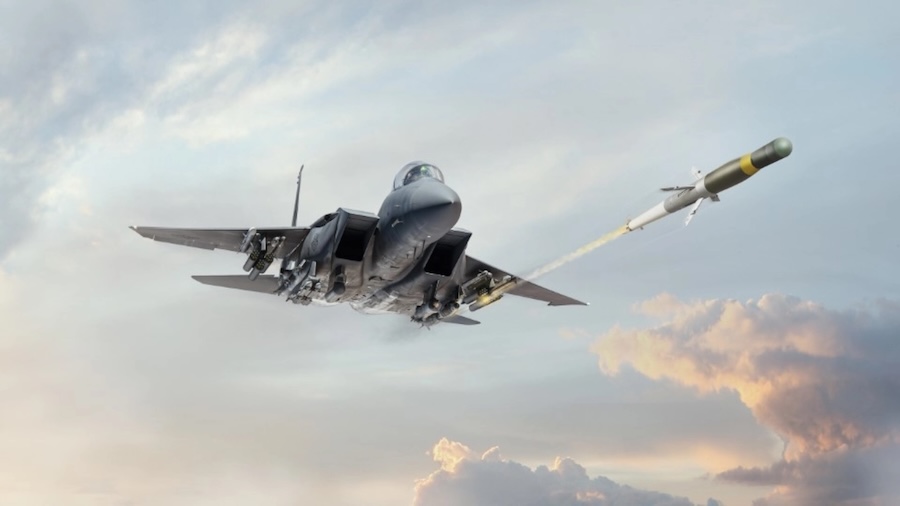
Riyadh’s request, submitted to Washington, splits evenly between the two main variants of the weapon: 10,000 APKWS-II rockets configured with air-to-air guidance systems, intended for use against aerial threats, and a further 10,000 fitted with air-to-surface guidance for strikes on ground targets. The package extends well beyond the rockets themselves, taking in LAU-131 A/A launch pods, Mk 151 high-explosive fragmentation warheads, Mk 66 rocket motors, proximity fuzes, WTU-1/B training warheads and Mk 66 motor mock-ups, alongside the engineering, technical and logistical support needed to keep the system running.
Once delivered, the rockets would give Saudi pilots a tool for engaging both aircraft and surface targets — but it is their potential use against drones that stands out. Unmanned aircraft have emerged as one of the more persistent and difficult-to-counter threats facing Saudi Arabia as tensions between the United States and Iran continue to simmer, and the relatively low cost of the APKWS system per engagement makes it an attractive option for a kingdom that has repeatedly found its air defences tested by low-cost, high-volume drone incursions.
Responsibility for delivering the programme, should the sale go ahead, will fall to BAE Systems, named as the prime contractor on the potential contract. The approval now moves to the next stage of the US arms sale process, though a State Department green light does not guarantee the deal will ultimately be signed or delivered on the terms outlined.