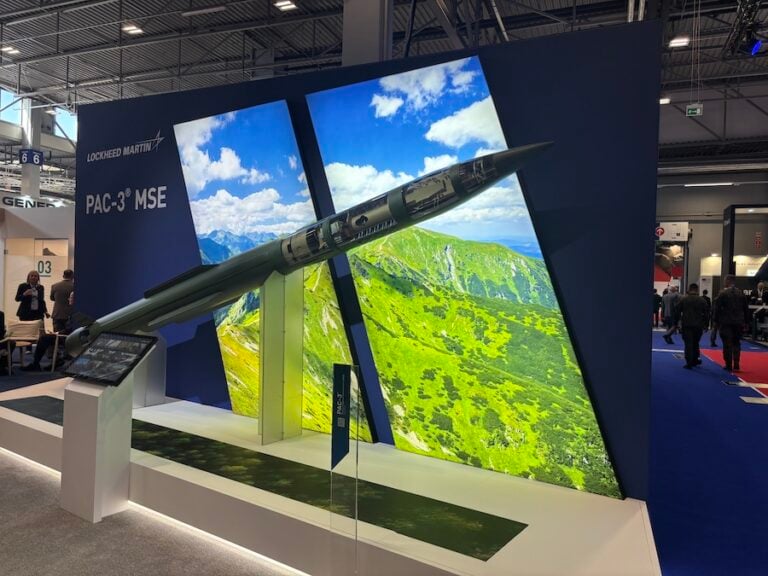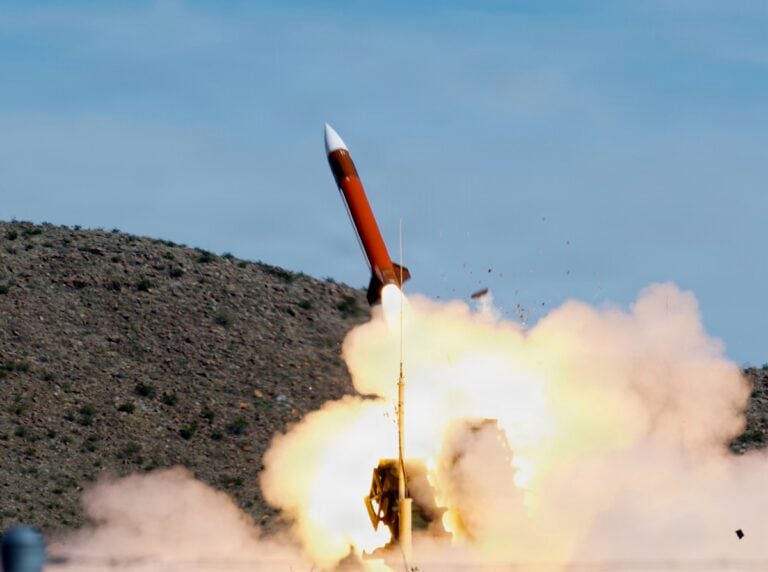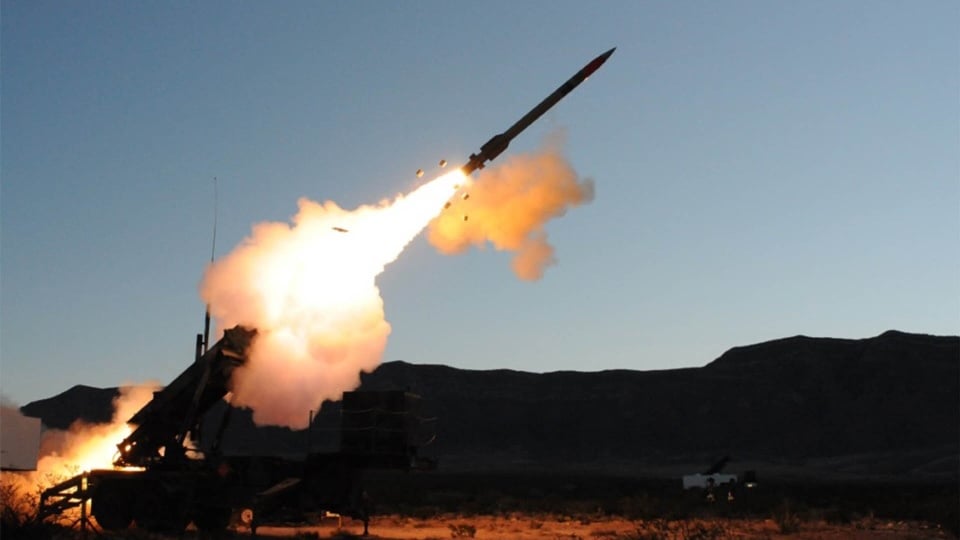
The seeker allows the interceptor to identify, track and engage targets, including hostile aircraft and hypersonic, ballistic and cruise missiles. Boeing said the award supports the department’s Acquisition Transformation Strategy and its Arsenal of Freedom initiative to strengthen domestic defense manufacturing.
“Early investment and a relentless focus on quality and execution have positioned us to now deliver seekers at unprecedented levels in the near-term, and we’re committed to building on that momentum,” said Steve Parker, president and CEO of Boeing Defense, Space & Security. “Our Boeing teammates could not be prouder of the role they play in protecting U.S. and allied service members, civilians and critical infrastructure worldwide.”
Boeing began increasing production and hiring after the framework announcement earlier this year. The contract is expected to create hundreds of direct and indirect jobs in the Huntsville, Alabama, area.
The company has expanded its PAC-3 seeker factory, modernized manufacturing facilities and strengthened supplier relationships to support higher output. It has also improved production processes and controls to increase first-time quality.
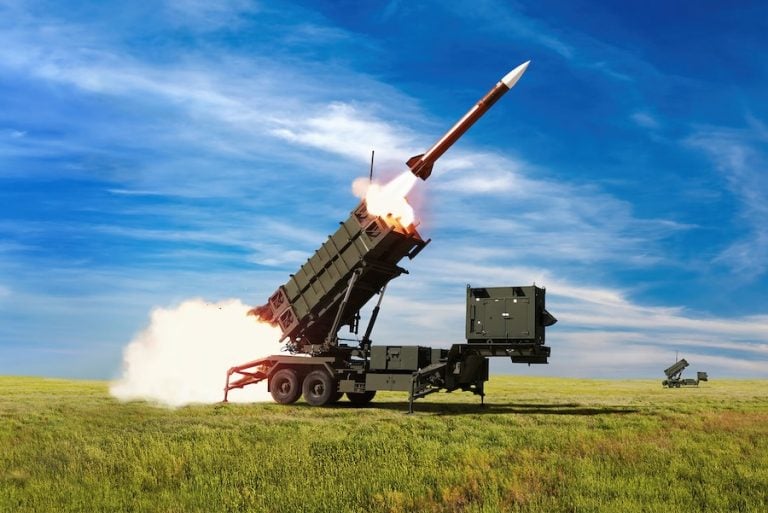
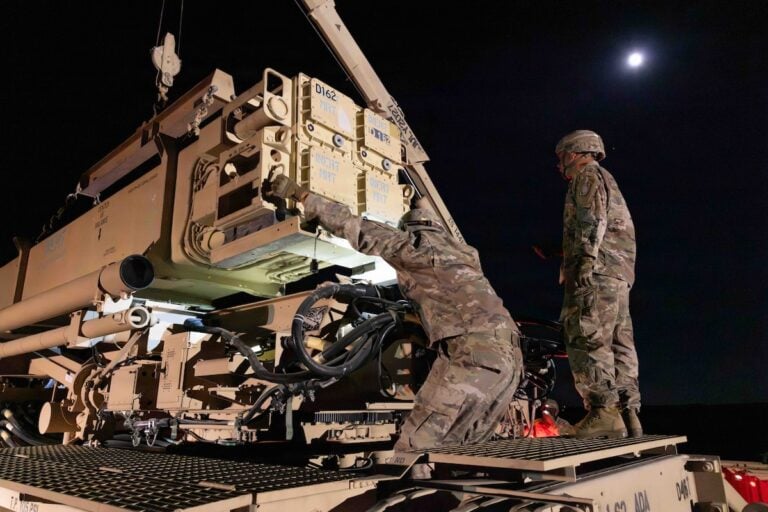
PAC-3 MSE is an interceptor used in the ground-based Patriot air defense system and a leading Western capability against advanced missile threats. The Armed Forces of Ukraine have used it during Russia’s war against Ukraine to protect strategically important locations, including Kyiv.
The interceptor has also demonstrated high effectiveness during the recent armed conflict in the Persian Gulf. Global demand for PAC-3 MSE is at record levels, increasing the need for production capacity across its component supply chain.
Lockheed Martin has also announced plans to integrate PAC-3 MSE with the Aegis combat system aboard naval ships. That would extend the interceptor’s role beyond ground-based air defense.
Boeing announced the seven-year production framework with the Department of War on April 1 to meet growing global demand for air and missile defense. At the time, it said it had invested more than $200 million since 2024 to expand seeker production capacity in Huntsville, including a 35,000-square-foot facility expansion.
The framework provided for further cash-neutral investments across the production value stream, with an emphasis on domestic suppliers. Boeing, the department and PAC-3 MSE prime contractor Lockheed Martin were to begin the production ramp-up immediately while negotiating a multiyear contract award later in the year.
The expansion also extends to propulsion, with Defence Industry Europe reporting on September 8 that L3Harris Technologies had received a seven-year, $4.7 billion undefinitized contract from Lockheed Martin. L3Harris’ largest PAC-3 award to date covers the advanced two-pulse solid rocket motor, Lethality Enhancer and Attitude Control Motors.
L3Harris began construction in June on two PAC-3 MSE facilities at its propulsion site in Camden, Arkansas, both scheduled to open in 2027. The plants are designed to increase capacity and throughput while modernizing solid rocket motor manufacturing.
On August 31, Defence Industry Europe reported that the Department of War had signed seven-year framework agreements with General Dynamics Ordnance and Tactical Systems and Lockheed Martin covering specialized interceptor components. The arrangements support plans to triple PAC-3 MSE production and quadruple output of Terminal High Altitude Area Defense interceptors.
The procurement structure guarantees minimum annual quantities, giving manufacturers and lower-tier suppliers greater visibility for investment planning, although funding remains subject to annual congressional appropriations. General Dynamics will lead the expansion of component production, including motor cases, seeker housings and midsections, and shroud deployment systems.