The new Integrated Collaborative Environment uses a van with extendable sides to provide more room for soldiers, equipment and mission systems. It accommodates six operator workstations and four staff operation stations.
The design is intended to improve survivability and reduce the time needed to set up or dismantle the workspace. Its configurable interior will allow units to adjust to changing mission requirements.
“Our sustained investments in innovation are turning IBCS into an ever-more capable combat multiplier for the warfighter,” said Kenn Todorov, vice president and general manager of command and control and weapons integration at Northrop Grumman. “By boosting the Integrated Collaborative Environment’s survivability and mobility, we’re giving warfighters greater protection and faster access to advanced command and control technology as they face increasingly complex and dynamic battlespaces.”
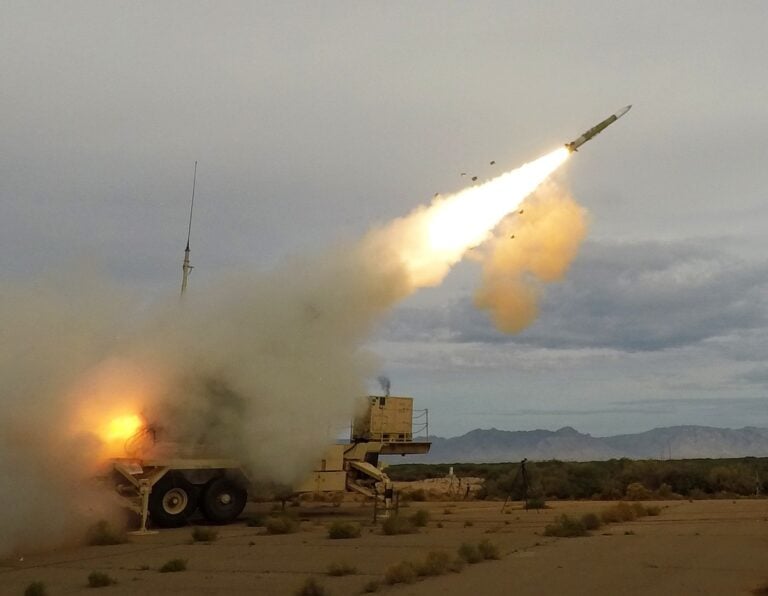
IBCS combines sensor information into a single air picture and supplies fire-control-quality data for engagements. It is replacing legacy command-and-control systems, including those associated with Patriot, as the Army moves toward a common system for integrated air and missile defense.
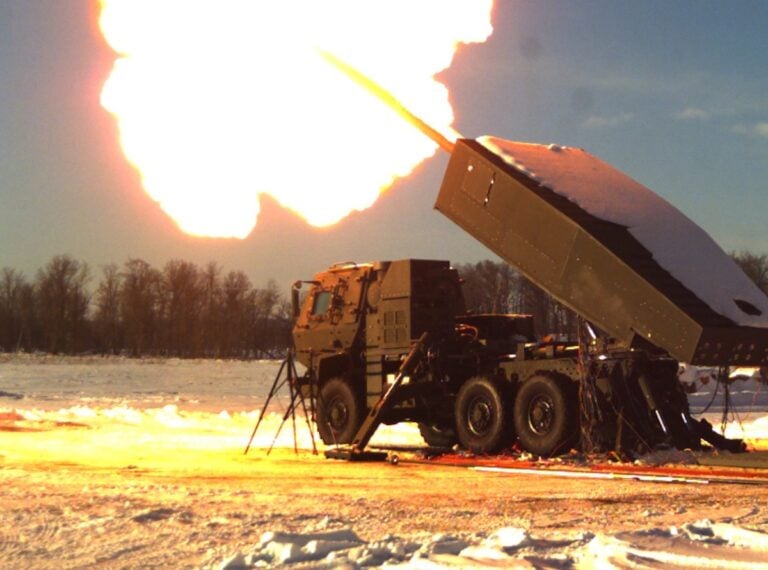
Its “any sensor, best shooter” approach connects sensors and weapons across the network. Operators can use information from multiple sources to assess threats and select an interceptor.
Composite tracking uses several sensors to maintain target tracks where individual sensors have coverage gaps. The communications architecture uses a self-healing mesh network designed to avoid single points of failure.
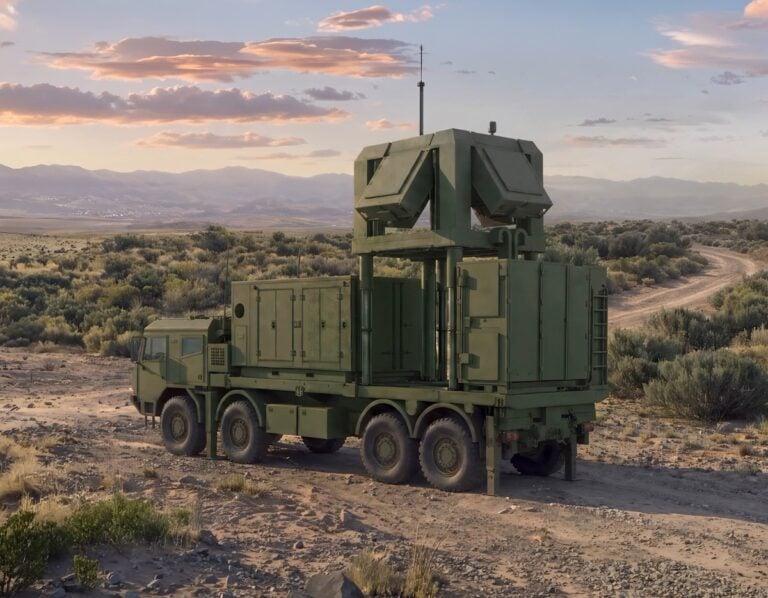
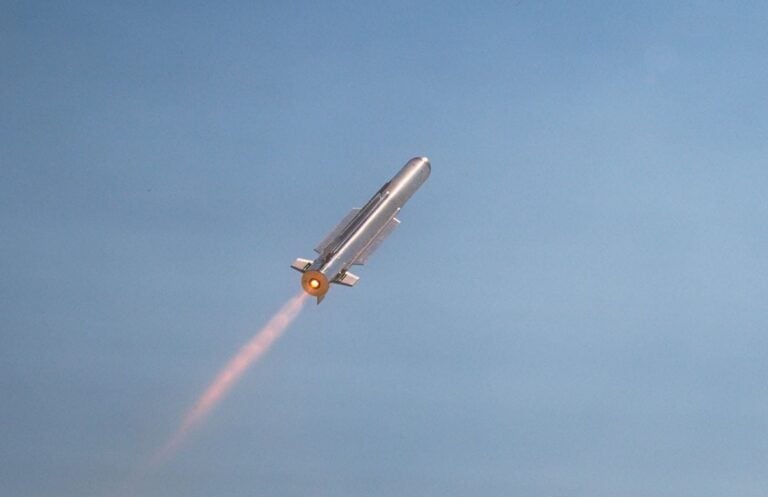
IBCS has demonstrated integration with Patriot, Sentinel, F-35 sensors, Common Anti-Air Modular Missile and Giraffe radars. Further integration work covers the Lower Tier Air and Missile Defense Sensor, Indirect Fire Protection Capability and Terminal High Altitude Area Defense.
The system achieved U.S. initial operational capability and approval for full-rate production in April 2023. The Army has since fielded it in U.S. European Command and U.S. Indo-Pacific Command.
Poland uses IBCS for medium- and short-range air defense and declared full operational capability in December 2025. Partner countries can configure the system for their requirements through its modular, open architecture.
Northrop Grumman is also developing smaller configurations, software updates and additional automation, including AI-enabled battle management. Those efforts are intended to improve mobility and help operators assess threats and make decisions faster.
The company said more than $10 million in internal investment and cost-sharing is supporting IBCS development and reducing integration risk. The Army’s latest contract adds a more protected workspace to those upgrades while retaining room for ten operating and staff stations.