
The proposal was submitted by Aeon under Topic 1 of the xTech|Apex Intercept competition. Finalist selection does not constitute a procurement award.
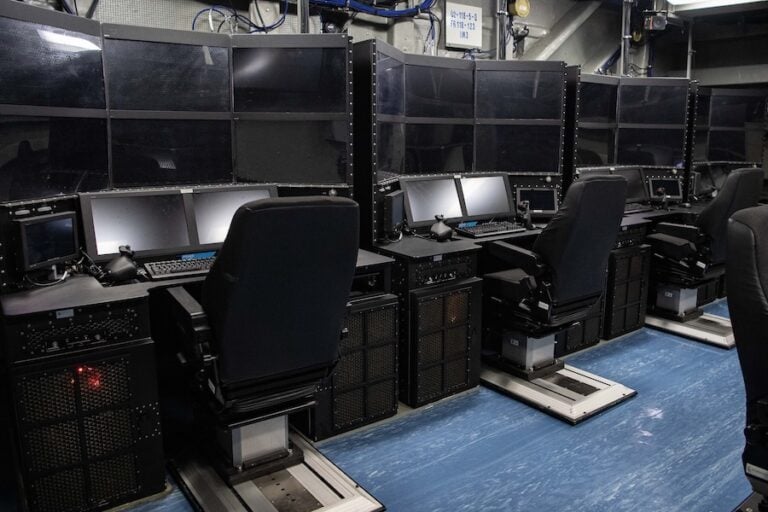
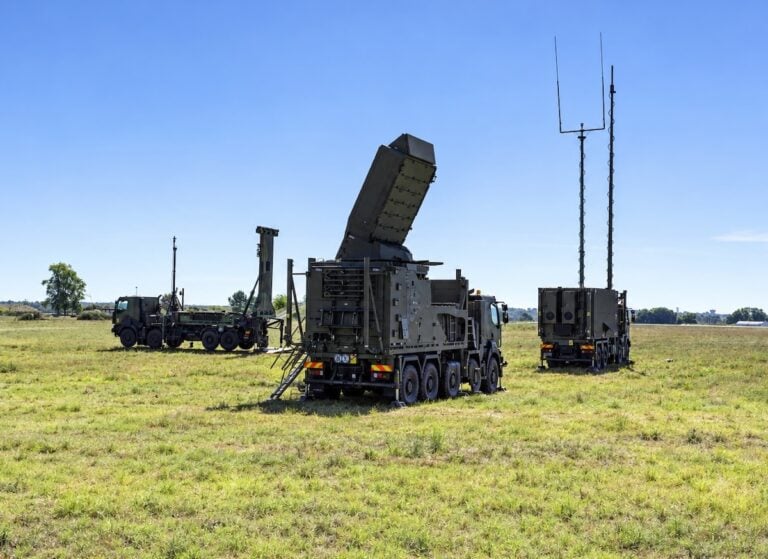
Topic 1 requires a complete interceptor round and fire-control solution that can integrate with the M903 launch station and Integrated Battle Command System, or IBCS. These requirements connect the proposed capability to the Army’s wider integrated air and missile defense architecture.
The competition seeks lower-cost technologies to augment Patriot missions against air-breathing threats, cruise missiles, and close-range and short-range ballistic missiles. Production scalability is part of the assessment, with Time to Scale and Technical Approach each carrying a 25% weighting in the white-paper evaluation.
“The Army is asking industry to solve a practical problem: increase magazine depth at a cost and production rate that can scale,” said Naweed Tahmas, CEO of Aeon. “Our solution is built around that requirement.”
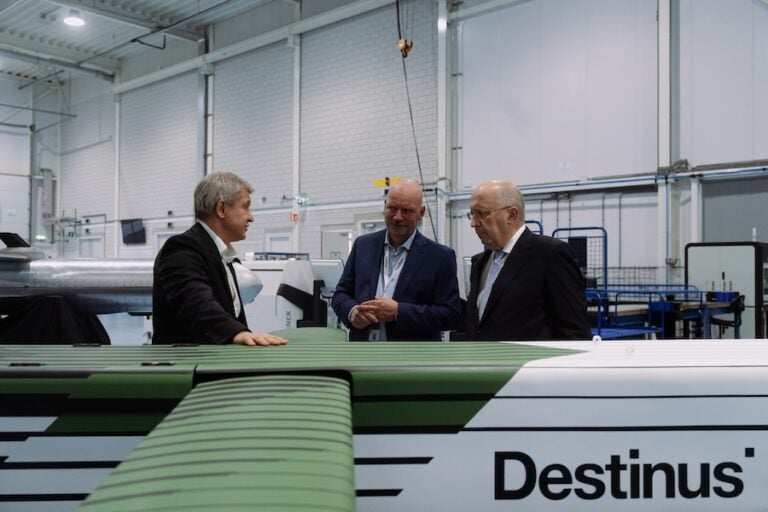
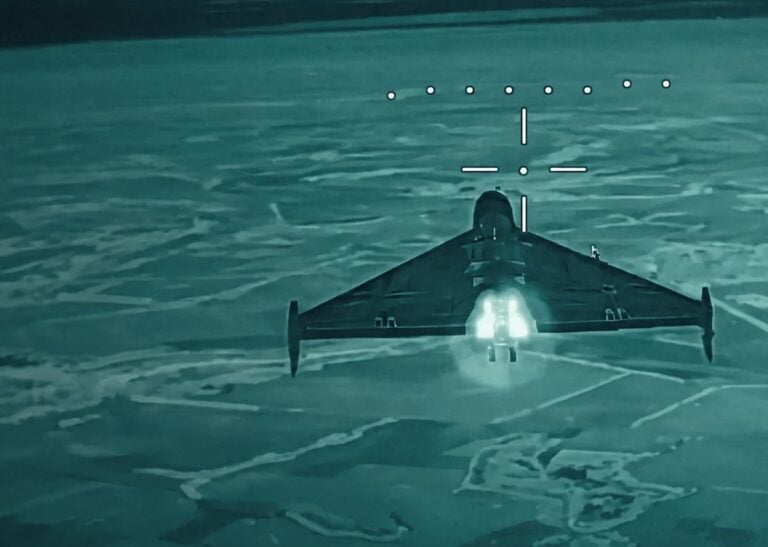
Destinus contributes interceptor design and serial production experience from its European strike and air-defense portfolio. Its vertically integrated capabilities span propulsion, guidance, autonomy and manufacturing.
Aeon brings U.S. weapons development, system integration and manufacturing capabilities. The Austin-based company operates a 140,000-square-foot facility covering weapon design and production, including propulsion, fuzing, autonomy and other subsystems.
“This partnership pairs interceptor know-how built in Europe with integration and industrial strength in the United States,” said Ron Kavanaugh, vice president of U.S. Operations and Business Development at Destinus. “Our focus now is on showing the Army that the approach can meet its operational needs, scale affordably, and improve the cost exchange.”
Topic 1 finalists will demonstrate their solutions to Army and Department of War subject-matter experts and end users in October. The event will allow Aeon and Destinus to show how their proposal meets the competition’s requirements.
xTech|Apex Intercept offers up to $8 million across four technology areas, the largest prize pool in the Army’s xTech program. Separate categories cover rocket motors, seekers, and fire control and flight guidance.
The competition can provide pathways to follow-on development agreements and contracting opportunities. The Army plans to select up to three Topic 1 winners by the end of 2026.