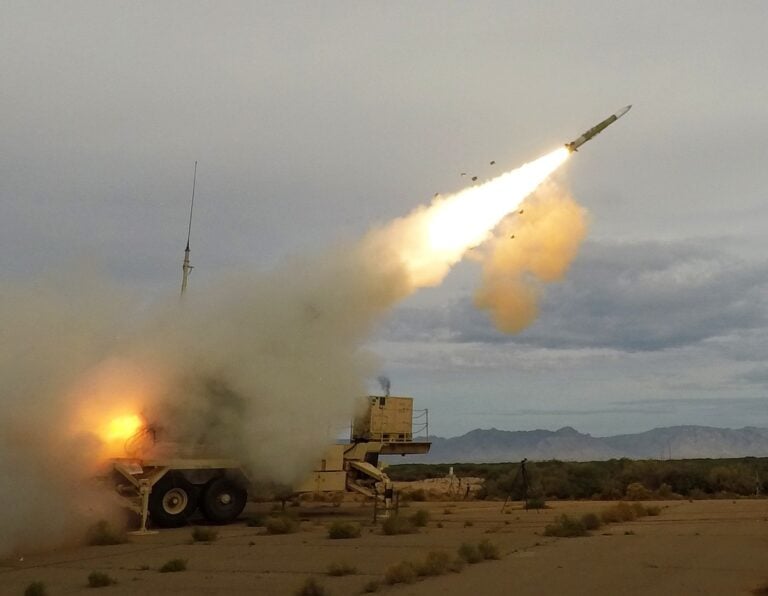
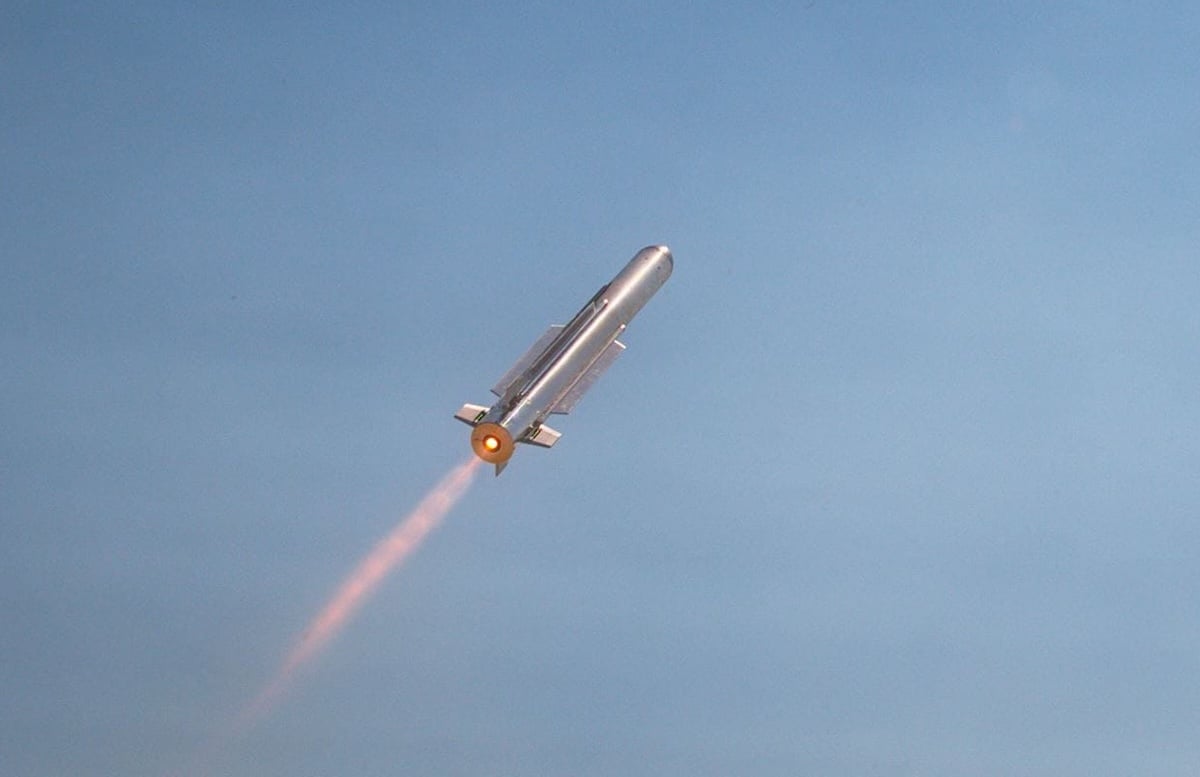
The latest tests took Block 2C+RM from concept to testing in 15 months. Raytheon funded the development effort to support an urgent joint U.S. military mission against evolving drone threats.
Block 2C+RM builds on Coyote Block 2, an expendable interceptor that uses a kinetic warhead. Existing Block 2 interceptors have destroyed hundreds of drones, according to Raytheon.
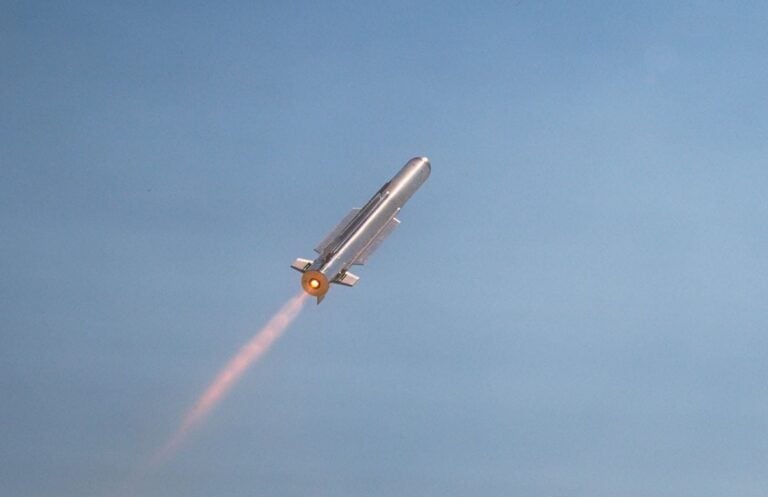
The upgrade adds propulsion improvements for faster launch and flight, alongside a new seeker and kinetic warhead. Raytheon said these changes are designed to address current and emerging drone threats across all classes.
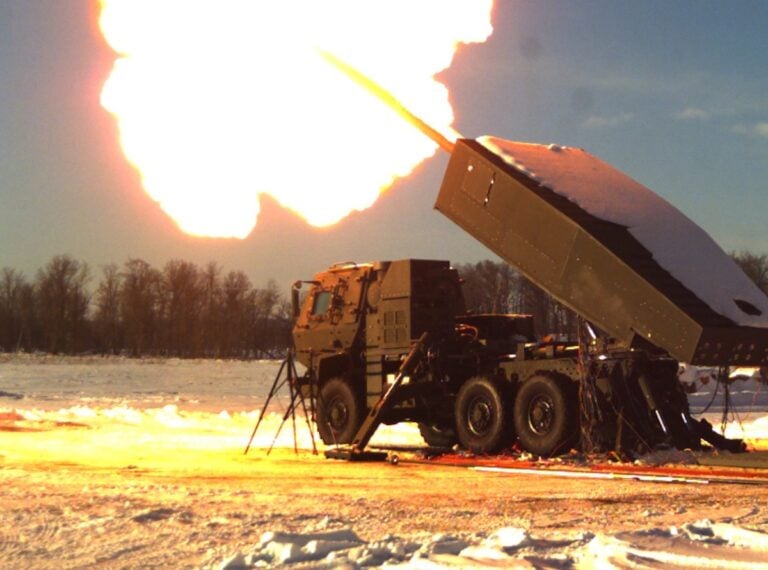
The first test series confirmed initial integration with the existing counter-drone architecture. It also included the first launches of a Coyote effector equipped with a tactical rocket motor, intended to shorten engagement times and permit faster successive shots.
“With a common backbone, Raytheon can rapidly scale the Coyote family across counter-drone missions — so we’re accelerating the pace of innovation,” said Tom Laliberty, president of Land & Air Defense Systems at Raytheon. “Coyote Block 2C+RM is the latest example of how we’re investing to deliver critical upgrades to combat-proven technology that give service members a decisive advantage on the battlefield.”
Raytheon describes the existing rail-launched kinetic Coyote as using a boost rocket motor and turbine engine. Its broader performance improvements target greater speed, range and altitude against drones carrying heavier payloads over longer distances.
Block 3NK uses a non-kinetic payload to defeat drone swarms while minimizing potential collateral damage. It can loiter, return after an engagement and be redeployed.
Raytheon’s February announcement said Block 3NK defeated multiple swarms during a U.S. Army demonstration. The exercise also demonstrated launch, flight, interception and recovery.
“Coyote provides warfighters a cost-effective defense for individual drones and swarms,” Laliberty said in that announcement. “We continue to invest in Coyote’s combat-proven capabilities, ensuring that allies around the globe gain an affordable operational advantage over sophisticated and evolving drone threats.”
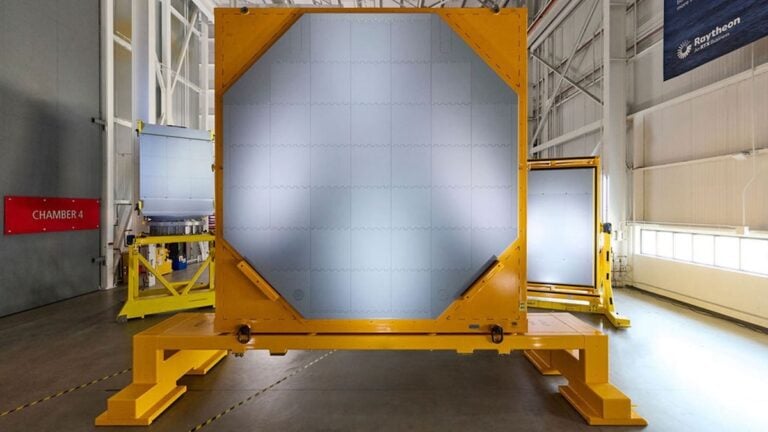
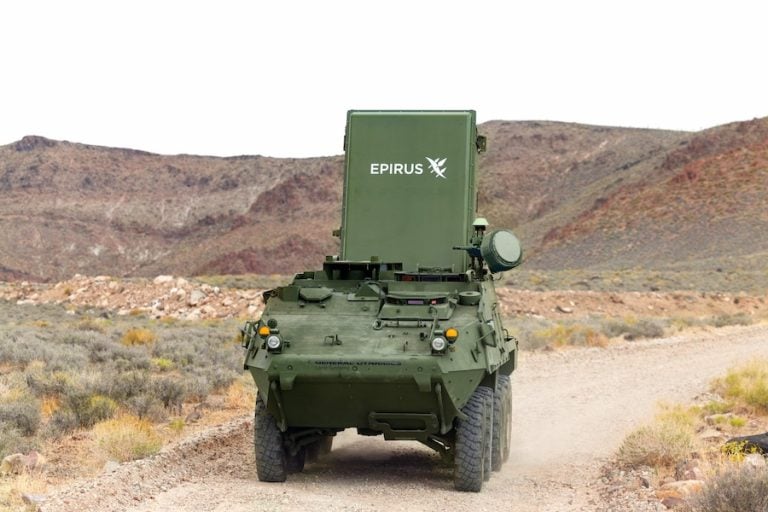
Coyote pairs with Raytheon’s Ku-band Radio Frequency Sensor, or KuRFS, to detect and defeat individual drones and swarms. Together, they form part of the Army’s Low, slow, small-unmanned aircraft Integrated Defeat System, known as LIDS.
In February, Raytheon said it had recently received its largest counter-drone contract to date under LIDS. The company has invested in kinetic Coyote production and performance upgrades to meet growing demand.
The family shares a common platform for kinetic and non-kinetic payloads, with launch options from mobile and fixed-site platforms across land, air and sea. Raytheon did not disclose a Block 2C+RM fielding date or detailed performance figures in the latest announcement.