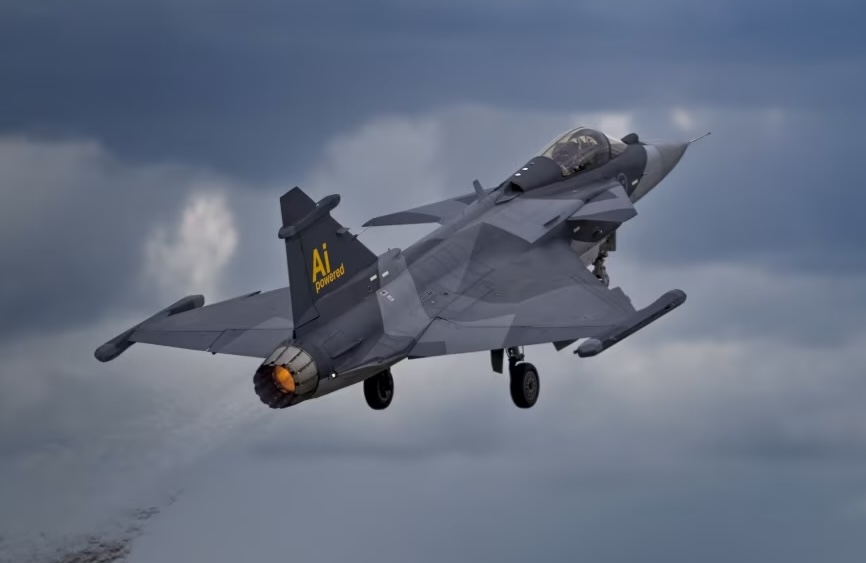
The Swedish Armed Forces’ rotation, running from early February to mid-March, includes more than 110 personnel from Skaraborg Air Wing F7 operating from Keflavik Air Base. NATO allies regularly patrol Iceland’s airspace, as the country does not maintain a standing air force.
The mission coincides with NATO’s recent activation of “Arctic Sentry,” a surveillance and military operation aimed at strengthening security in the Arctic and High North. The initiative follows renewed tensions in the Middle East and weeks after U.S. President Donald Trump made demands to acquire Greenland.
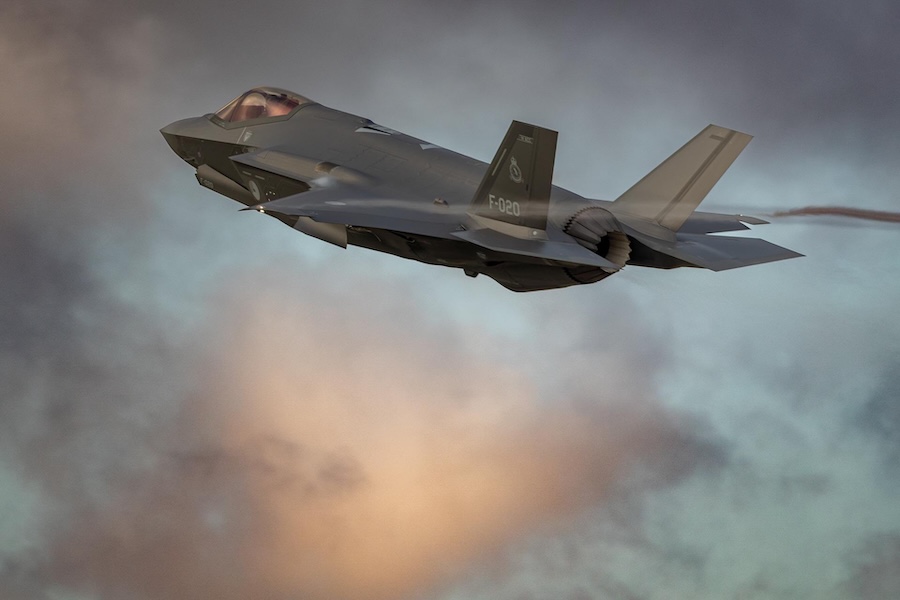
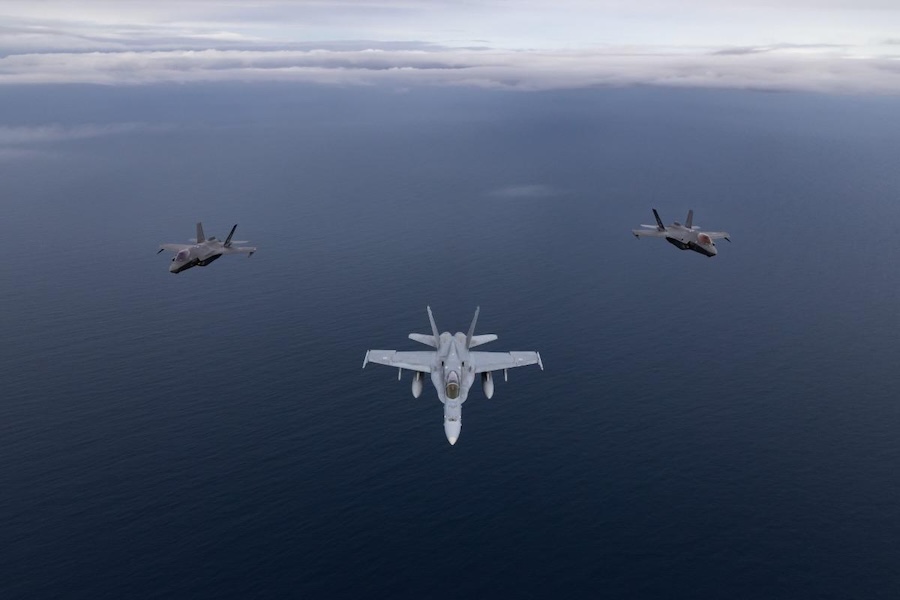
Denmark is also contributing four F-35 fighter jets to the mission. NATO’s Allied Air Command Public Affairs described the Swedish deployment as a historic moment for the alliance’s newest member.
“The Arctic environment presents unique operational challenges, including harsh weather, extended distances, and challenging flight conditions,” Allied Air Command Public Affairs said in a statement. According to Swedish manufacturer SAAB, the Gripen is designed to operate in such demanding conditions.
The deployment has also provided Sweden with an opportunity to demonstrate the Gripen’s capabilities to Canada. SAAB is seeking to persuade Ottawa to revisit its decision to purchase 88 American F-35 jets produced by Lockheed Martin, offering instead to manufacture Gripens in Canada and create 10,000 jobs.
The debate over Canada’s fighter fleet has intensified following strained relations with Washington. Last year, Prime Minister Mark Carney announced a review of the full fleet purchase of F-35 aircraft.
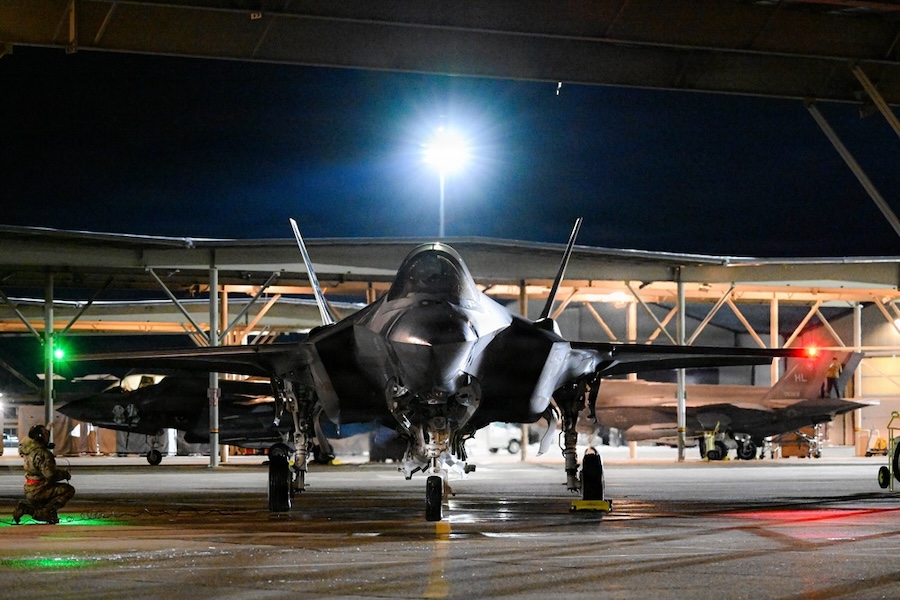
Some defence experts argue that the F-35 remains the best option for Canada’s defence requirements. U.S. Ambassador to Canada Peter Hoekstra has warned of potential implications for the NORAD continental defence pact if Canada does not proceed with the complete F-35 acquisition.
“One of the criteria for Norad is interchangeability and interoperability,” Hoekstra told CTV last May. “So that would mean that we’re flying the same kinds of planes, we’re using the parts, and it’s all interchangeable, and it’s one system.”
In November, Hoekstra added that the “F-35 has been a phenomenal success” and emphasised that it is part of a multinational programme. “It’s not an American plane. It’s an international plane,” he said.
Stockholm University professor Christophe Premat said the cooperation between Sweden and Canada reflects a broader strategic alignment. “I would say it’s not only strategic interest or mutual respect,” Premat said. “I think that Sweden and Canada look at each other in the same way. They feel like fair players in international relations.”
The backdrop to the Gripen mission includes conflict in the Middle East, heightened tension with Russia and growing military activity in the Arctic and North Atlantic. Canada’s final decision on its future fighter fleet remains unresolved as these developments unfold.
Source: CTV News.