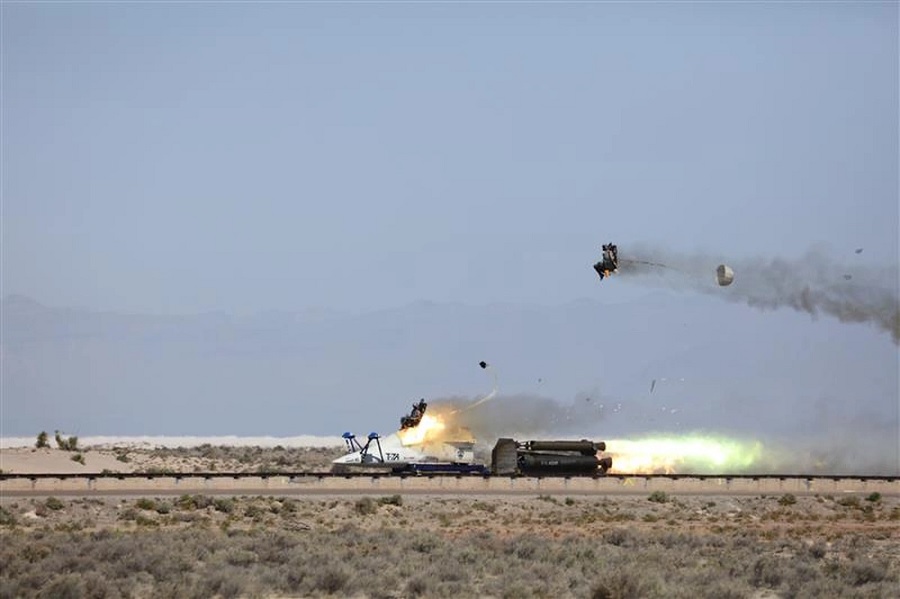
Initial findings confirmed the system’s ability to protect both lighter and heavier test mannequins, reflecting major advancements in pilot safety. Two major enhancements were evaluated: a redesigned canopy ejection system and a new seat sequencer.
The upgraded canopy is engineered to fracture in a safer pattern, effectively shielding mannequins from potential harm caused by shattered glass. Meanwhile, the new seat sequencer extended the duration of the stabilising parachute’s deployment, reducing risks of neck and spinal injuries and improving overall descent stability.
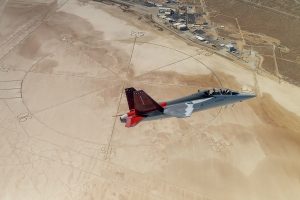
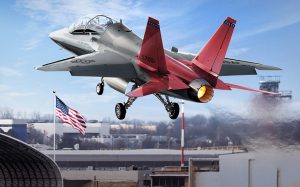
“This test brings us one step closer to fully qualifying the T-7A escape system for instructor and student pilots,” said Lt. Col. Chris Bakke, T-7A Red Hawk test manager. The success of the test underscores the programme’s commitment to ensuring aircrew safety.
Another test is scheduled for August as development progresses toward preparing the T-7A Red Hawk for long-term operational use. The system continues to show promise in supporting the next generation of Air Force aviators.