
The program is managed by the Air Force Life Cycle Management Center’s Bombers Directorate with support from the Propulsion Directorate. It aims to replace the bomber’s original TF33 engines, which date back to the 1960s.
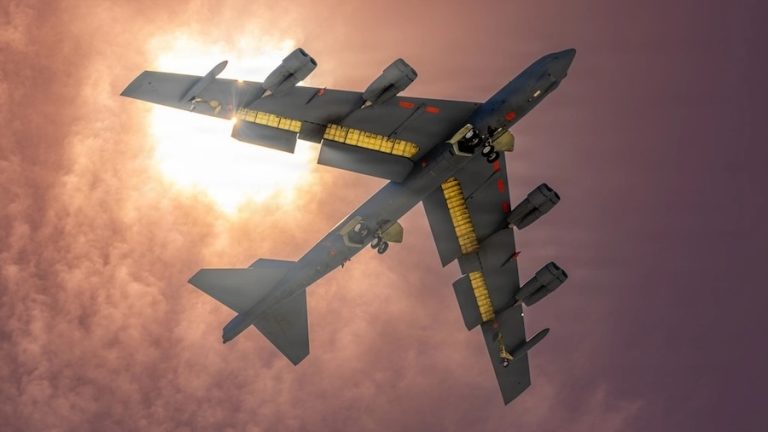
The effort is intended to extend the operational life of the B-52 Stratofortress through 2050 and beyond. It supports the aircraft’s continued role in long-range strike operations.
The Critical Design Review involved a comprehensive technical assessment by experts from the Air Force, Boeing and Rolls-Royce. The process ensures the system design meets all operational and technical requirements before modification begins.
“This CERP critical design review is the culmination of an enormous amount of engineering and integration work from Boeing, Rolls Royce, and the Air Force that will enable the B-52J to remain in the fight for future generations,” said Tim Cleaver, program manager for the effort.
“It’s that point that you go from having a concept turned into a design, to then turning that design into something physical—something that we will test and field for Air Force Global Strike Command,” he added. The review marks the transition from design to production.
With the design finalized, Boeing will begin modifying two B-52H aircraft into the B-52J configuration. The work will take place at the company’s facility in San Antonio, Texas.
The first aircraft is scheduled to enter modification later this year. The process includes procurement and manufacturing of new components required for the upgrade.
The modernization centers on replacing the TF33 engines with F130 engines produced by Rolls-Royce. The upgrade also includes new subsystems, such as modern generators to increase electrical power capacity.
The enhanced power capacity is intended to support future capabilities and system upgrades. The program reflects a broader effort to modernize legacy aircraft for evolving missions.
Following modification, the two B-52J aircraft will undergo extensive testing at Edwards Air Force Base in California. The testing will validate performance and integration of the new systems.
Once testing is complete, the program will move toward upgrading the remaining B-52H fleet. Officials said the process builds on years of design work and coordination between the Air Force and industry partners.