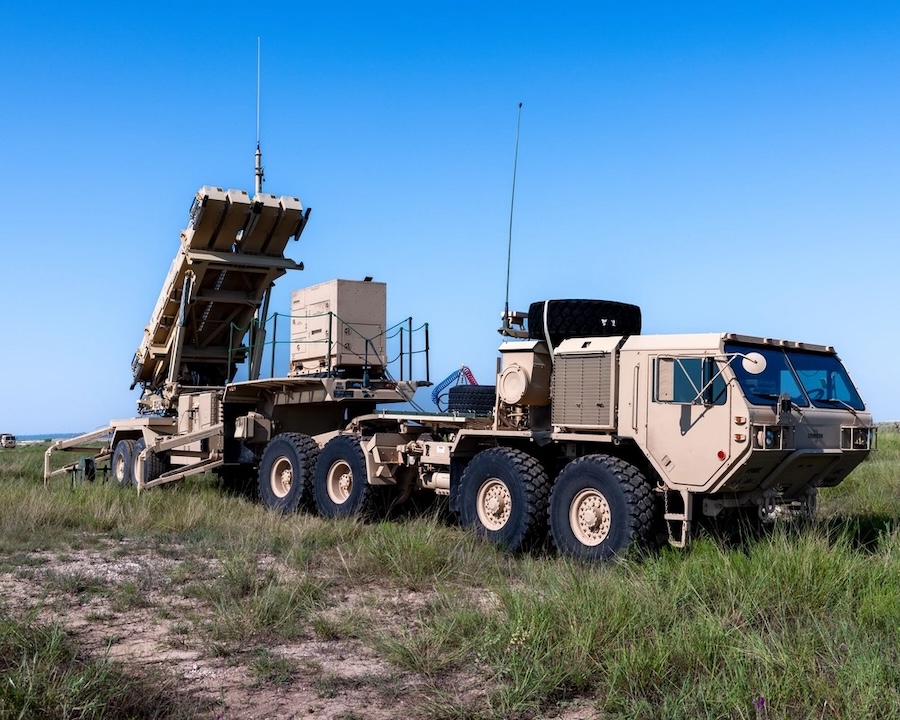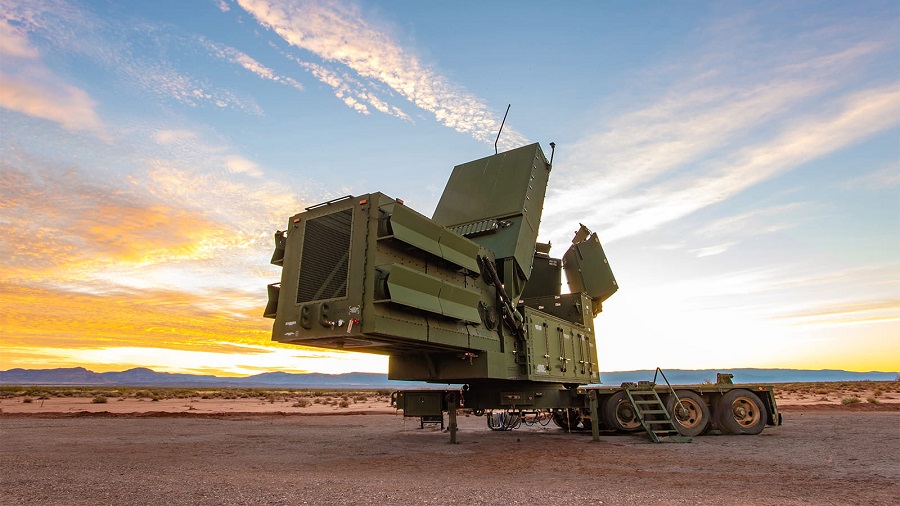

“I think the fascinating thing will be, to what extent, in the future… the Golden Dome will integrate not only [systems to counter] the larger ballistic, cruise, hypersonic missiles, but also some of these closer-in, more effective ones,” Allvin said at an event hosted by the Center for a New American Security on 3 June. However, he noted that such short-range defences are unlikely to be included in the project’s initial phase.
The comments followed a major Ukrainian drone assault that reportedly damaged a third of Russia’s strategic cruise missile carriers. Ukrainian President Volodymyr Zelenskyy said over 100 drones were used in the attack, which struck targets across five Russian regions.
“We’ll see how the conversation gets stirred up again based on the strike, but it shows us that seemingly impenetrable locations need to pay more attention to that,” Allvin remarked. The Golden Dome concept is designed to protect the US homeland from a broad spectrum of missile threats, including drones.
Led by Vice Chief of Space Operations Gen. Michael A. Guetlein, the initiative could cost up to $542 billion over two decades and will rely heavily on space-based technologies for early detection and interception. Former President Donald Trump, who launched the project, has set a three-year timeline for its completion, calling it a way to “forever end the missile threat to the American homeland.”
Many experts see the goal as overly ambitious due to the programme’s complexity and scale. Guetlein himself has compared the effort to the “magnitude of the Manhattan Project,” emphasising that success will depend on strong collaboration between the Pentagon, intelligence agencies, and industry partners.
General Allvin acknowledged the magnitude of the task facing Guetlein and noted the Air Force’s vital role in providing airborne defence capabilities. He said the system will require close cooperation with the Army and other military branches, especially in sensitive areas such as the Indo-Pacific.
Defence Secretary Pete Hegseth has described the threat from China as one that “could be imminent,” increasing the urgency to bolster regional defence measures. Allvin said the Ukrainian drone strike may not be a “wake-up moment” but is certainly an “eyebrow-raising” event for American defence planning.
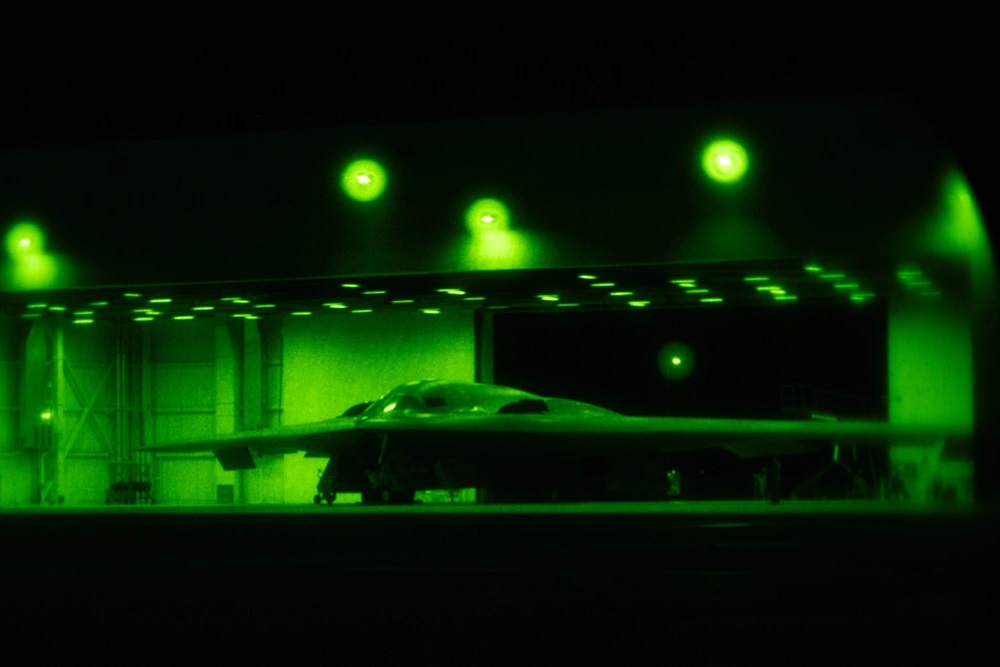
The Air Force is already working to make assets in the Pacific more resilient, including efforts to harden aircraft shelters. At Andersen Air Force Base in Guam, a seven-year infrastructure project is underway to improve runways, hangars, and maintenance facilities for both US and allied aircraft.
“It’s something that we haven’t necessarily been ignoring, but it’s been a matter of resource prioritisation,” Allvin said. “We could really make it very defensive, but if all we’re doing is playing defence, and we can’t shoot back, then that’s not a good use of our money.”
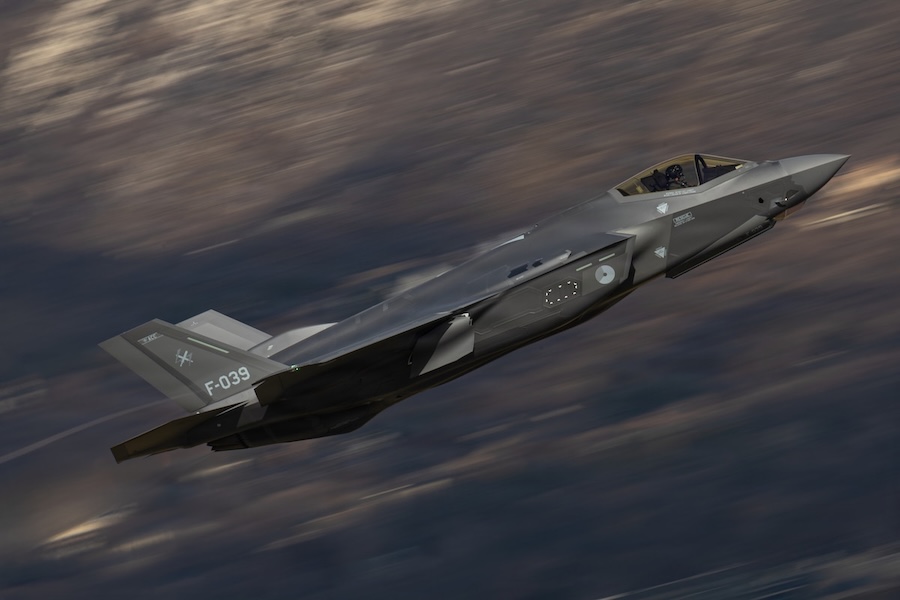
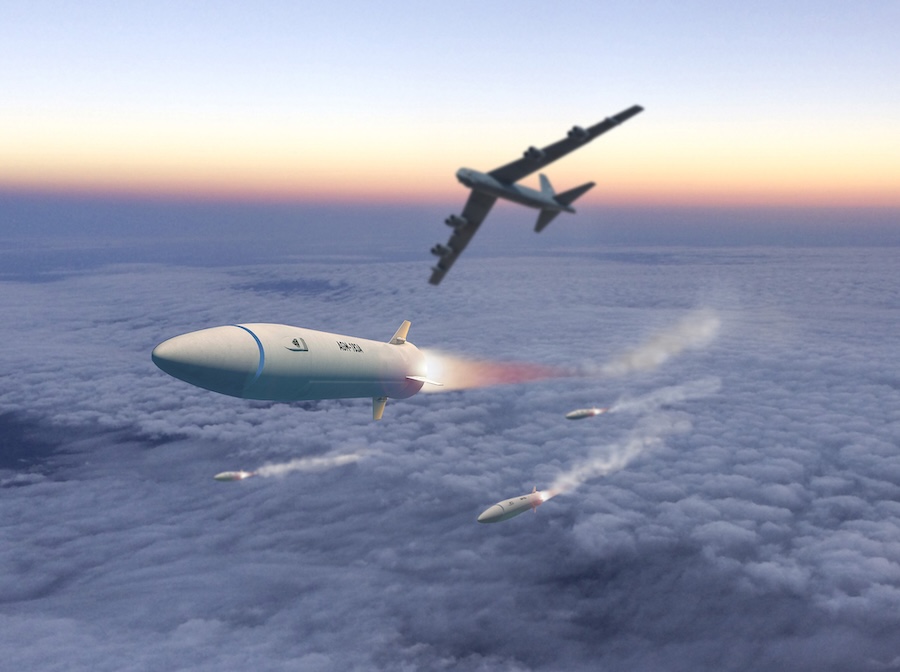
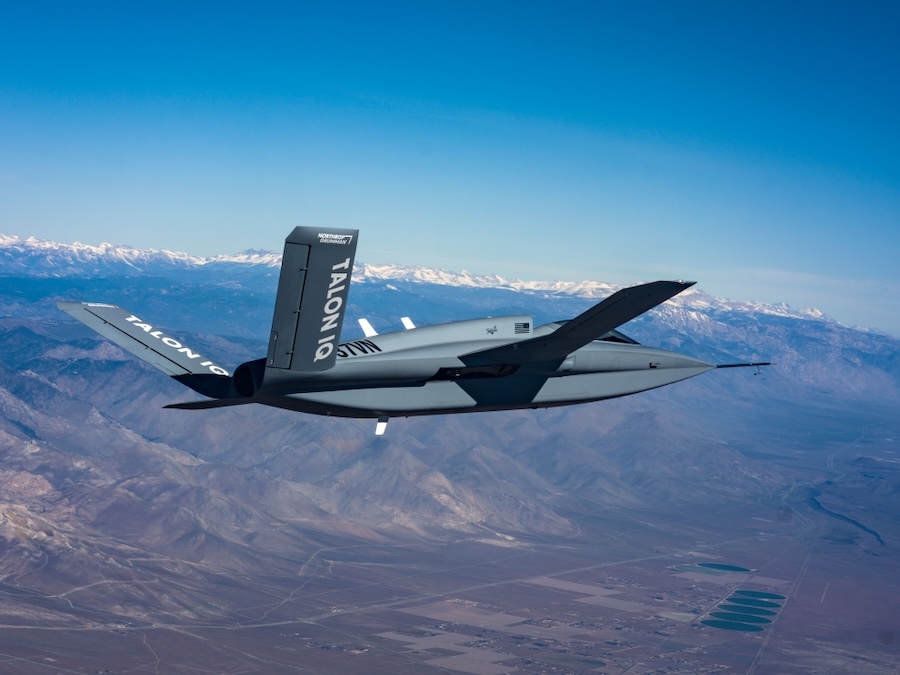
In the wake of recent events, Allvin suggested that the Air Force explore the use of simpler, cost-effective aircraft that can deliver meaningful operational results. However, he warned against the belief that the service can rely solely on low-cost, long-range, and highly capable drones.
“Many believe the Air Force should invest in ‘a bunch of cheap, long-range, and kinetically powerful’ drones,” he said. “But that’s a fantasy,” he added, stating that such qualities are not realistically achievable in a single platform.
Instead, Allvin advocated for a balanced fleet that mixes low-cost aircraft to disrupt defences with advanced platforms for precision strikes. This approach enables commanders to apply “the right weapon for the right target,” avoiding unnecessary use of high-end equipment, he explained.
Source: Air Force Magazine.