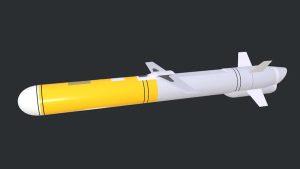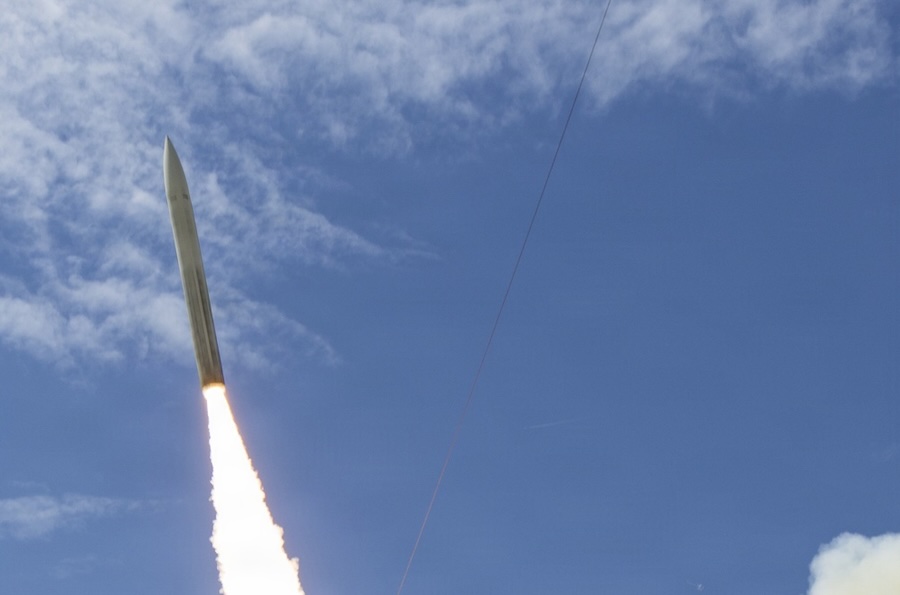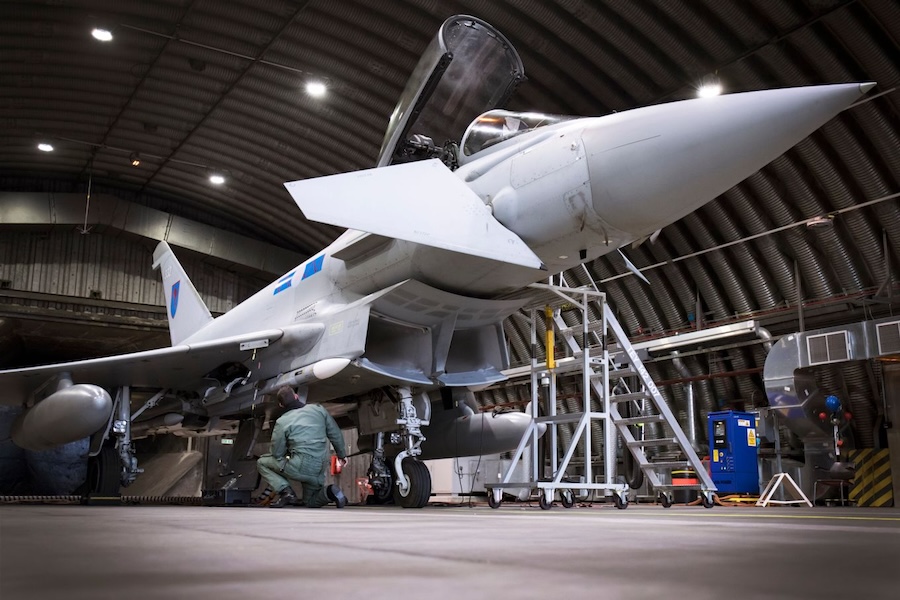

The Stand-in Attack Weapon, known as SiAW, is being developed by Northrop Grumman as a supersonic air-to-ground missile. The weapon is designed to defeat enemy air defenses and destroy high-value, relocatable targets.
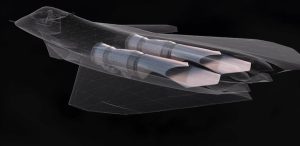
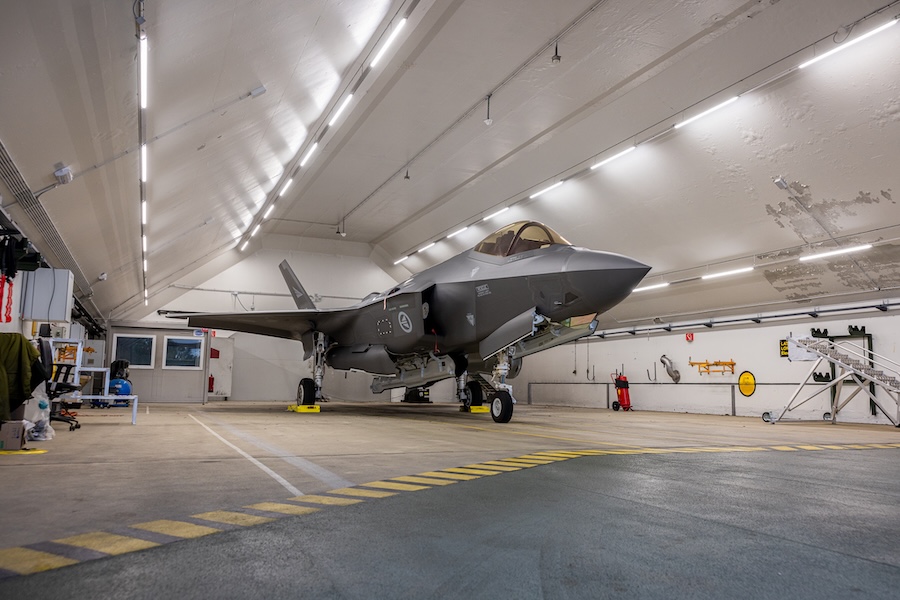
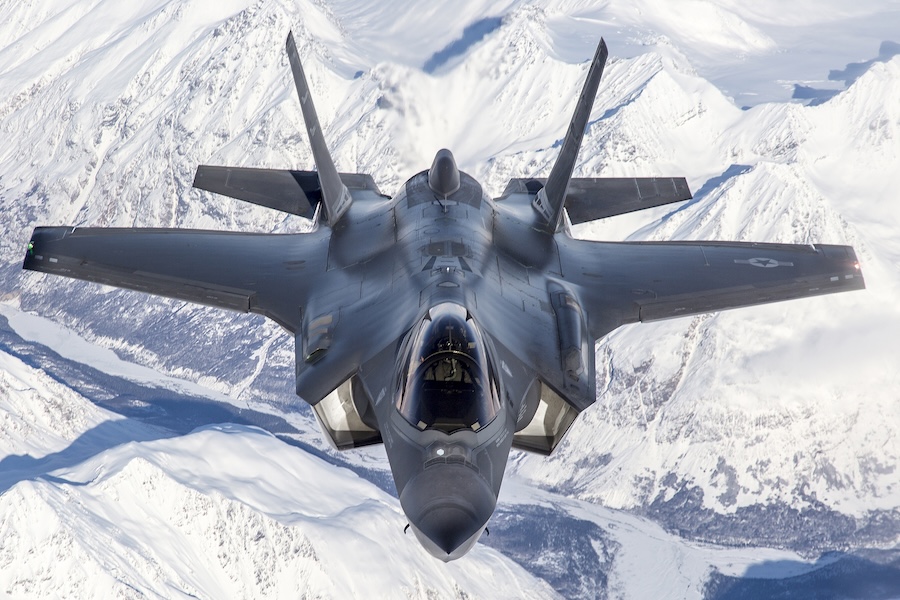
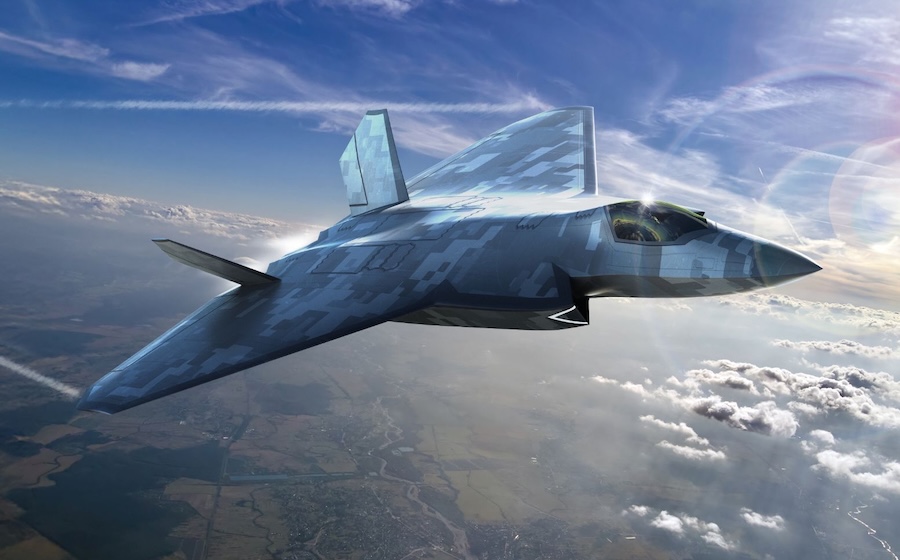
The missile is expected to be carried by multiple aircraft, including the F-35, F-16, F-47, and the B-21 bomber. Its design is based on Northrop Grumman’s Advanced Anti-Radiation Guided Missile-Extended Range, or AARGM-ER, which itself evolved from the earlier AGM-88 High-speed Anti-Radiation Missile.
According to previous reporting by Air & Space Forces Magazine, the AARGM-ER is believed to reach speeds of Mach 4 and has a range of about 180 miles. The SiAW is expected to travel faster than the HARM and possibly faster than the AARGM-ER while striking targets at longer distances.
Northrop Grumman has stated the missile is intended to address “gaps created by 2025+ threats.” Analysts say such capabilities could play an important role in future conflicts.
“It’s the kind of weapon that if we had it in quantity would be very valuable in current operations in Iran and definitely in the Pacific,” said retired Col. Mark Gunzinger, director of future concepts and capability assessments at the Mitchell Institute for Aerospace Studies.
For more than two decades, the Air Force has pursued a strategy combining stand-off weapons with stand-in weapons launched by survivable aircraft capable of repeatedly attacking defended targets. These weapons are designed to operate inside heavily defended airspace where traditional stand-off systems may be less effective.
The Air Force began the SiAW program in 2022 by awarding initial development contracts to Northrop Grumman, L3Harris, and Lockheed Martin. In 2023 the service selected Northrop Grumman to continue development under a three-year program valued at $705 million.
Northrop delivered the first SiAW test missile to the Air Force in November 2024. The service plans to field the new weapon by 2026.
The program also received additional funding through last summer’s One Big Beautiful Bill Act. The legislation included $325 million intended to improve production capacity for air-launched anti-radiation missiles.
The latest notice calls for vendors capable of delivering missiles with extended range, advanced targeting systems, counter-countermeasure capabilities, and compatibility with both current and future aircraft platforms. Companies responding to earlier notices were also asked to provide estimated production costs based on manufacturing runs of 500, 1,000, and 1,500 missiles.
The new notice seeks companies capable of producing 600 missiles per year. Officials expect the missile to engage a wide range of targets beyond traditional radar emitters.
Potential targets include command-and-control facilities, ballistic and cruise missile launchers, GPS jamming systems, anti-satellite systems, and other high-value or mobile targets. The missile’s supersonic speed is expected to improve its ability to engage moving targets.
Gunzinger said faster weapons reduce the time available for targets to relocate. A subsonic cruise missile launched from outside enemy defenses may take half an hour or longer to reach its objective.
Another advantage of the SiAW is its compact design, which allows it to be carried inside the internal weapon bays of stealth aircraft. “Designing weapons that can be carried internally and stealthily is a real advantage,” Gunzinger said. “We don’t want to hang weapons outside because you’re no longer stealthy.”
The smaller size also increases the number of weapons aircraft can carry during a mission. “Reduced size can increase the number of weapons per sortie, which equates to more targets per sortie,” Gunzinger said.
According to Gunzinger, the Air Force has sought multiple vendors for the program from the beginning. “Secondly, we need these weapons at scale, not just for operations like we see today in Iran, but definitely for a fight against a peer adversary such as China,” Gunzinger said.
Air Force leaders have indicated the SiAW program could become a large-scale procurement effort involving thousands of missiles and regular technology updates. The weapon may also be made available for export to allied nations.
Northrop Grumman announced in December that the missile had completed a separation test from an F-16 at Eglin Air Force Base in Florida. The milestone marked another step toward operational deployment.
Air Force Global Strike Command Deputy Commander Lt. Gen. Jason R. Armagost said the service is seeking greater flexibility in how weapons are used across different aircraft platforms. Speaking at the Air & Space Forces Association Warfare Symposium, he noted that suppression of enemy air defenses missions should not be limited to a small number of aircraft.
The general said the goal is to make SEAD capabilities “native to all the various platforms.” One technology supporting that approach is the Universal Armament Interface, which could allow multiple weapon types to be integrated across aircraft including the B-21.
If implemented, the system could allow aircraft to carry weapons such as the SiAW, AARGM-ER, Joint Air-to-Surface Standoff Missile, Joint Direct Attack Munition, Small Diameter Bombs, Long Range Anti-Ship Missile, and the Joint Strike Missile. Gunzinger said such flexibility improves operational planning and employment of combat aircraft.
“That can really open up options for a commander to use a combat aircraft,” Gunzinger said.
Source: Air & Space Forces Magazine.