The exercise was coordinated with U.S. Marines, Philippine marines and Australian soldiers. It formed part of a counter-landing scenario designed to repel a simulated enemy force across multiple maritime and littoral zones.
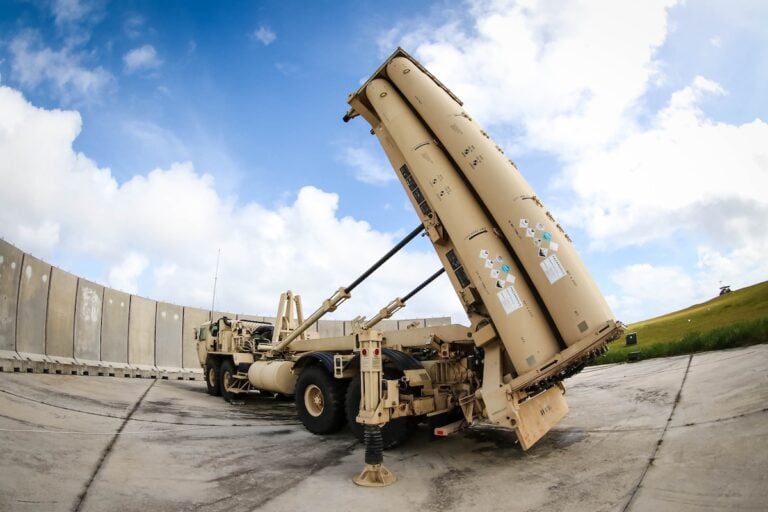
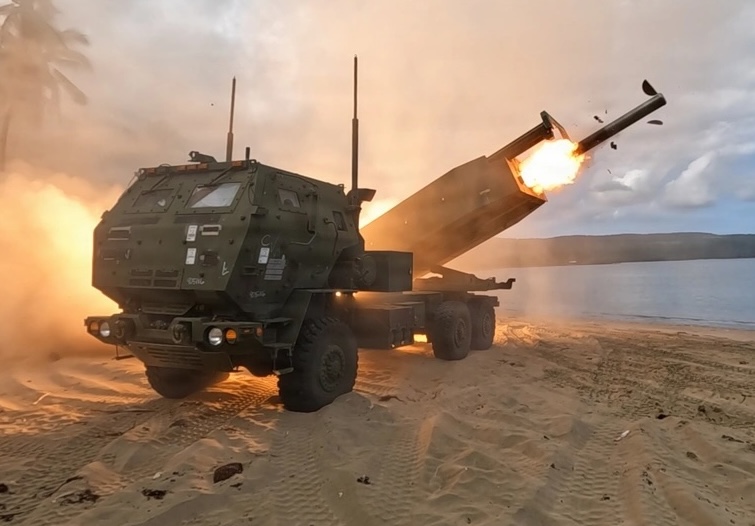
During the exercise, the HIMARS system maneuvered from a concealed position onto a beach and launched four Reduced Range Practice Rockets. The event demonstrated the system’s mobility and precision in a complex operational environment.
The live-fire iteration was executed by Alpha Battery soldiers, who completed the mission with speed and coordination. The activity highlighted the integration of multinational forces and joint fire capabilities.
“Today what we demonstrated was the absolute power that the land component brings to the fight in the pacific.” said Alexander Mullin, commander of the 5th Battalion, 3rd Artillery Regiment. “Huge gains were made with the interoperability between the nations’ forces, communication and coordination of multiple fires were on full display during the exercise.”
“Through being here we are demonstrating the cross-domain contact layer concept, which is our ability to provide a covering force in the pacific and achieve decisive effects.” Mullin added. The concept integrates sensing, effects and artificial intelligence-enabled command and control across multiple domains.
The deployment of HIMARS systems required complex logistical planning. Movements were conducted in coordination with the Armed Forces of the Philippines and required adherence to local infrastructure and regulatory conditions.
The systems navigated varied terrain, including jungle, mountainous regions and sandy coastal areas. These conditions required careful coordination and situational awareness throughout the operation.
“All the live fires that we have done could not have been done without the support of the Philippine marines and the Philippine Army as we make our movements across the country,” said Shawn Washburn of Alpha Battery.
The exercise also provided training in challenging environmental conditions. Soldiers operated in tropical climates to build endurance and adaptability for future missions.
The activity is part of ongoing efforts to strengthen interoperability and readiness among allied forces. It also reflects the U.S. Army’s focus on multi-domain operations in the Indo-Pacific region.