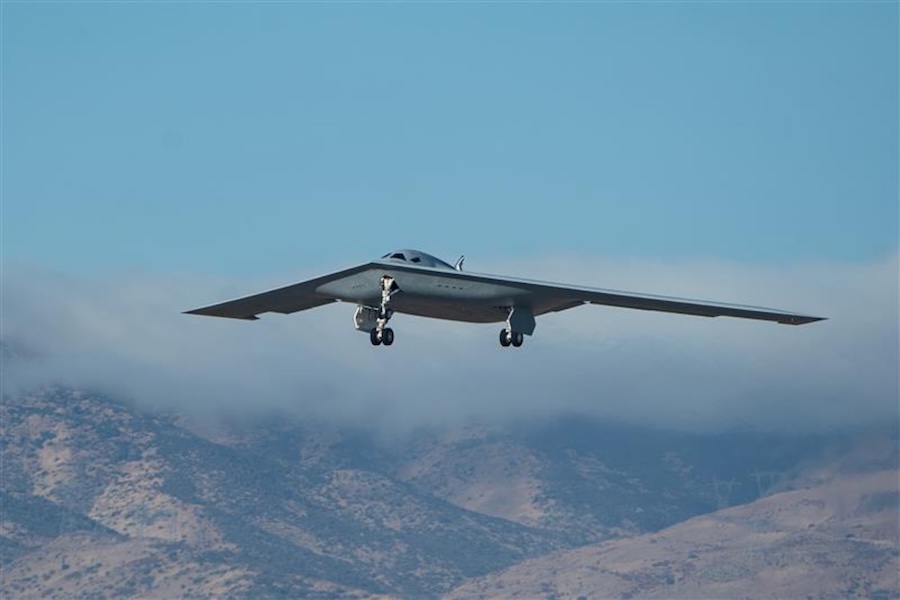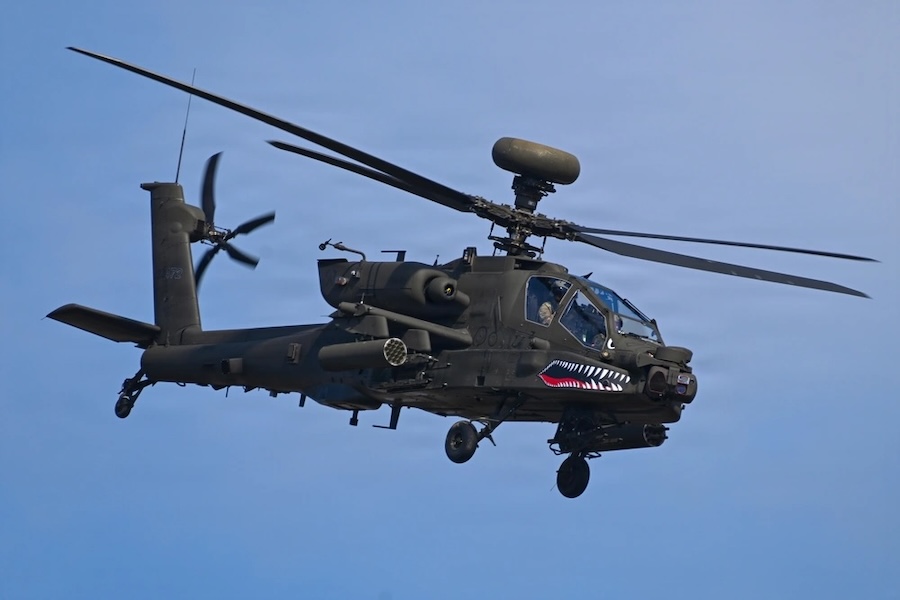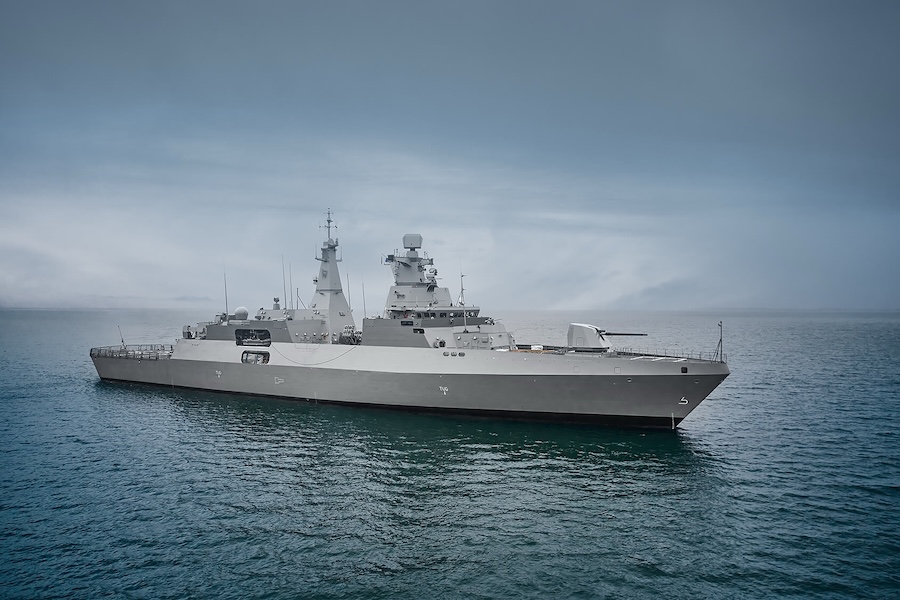
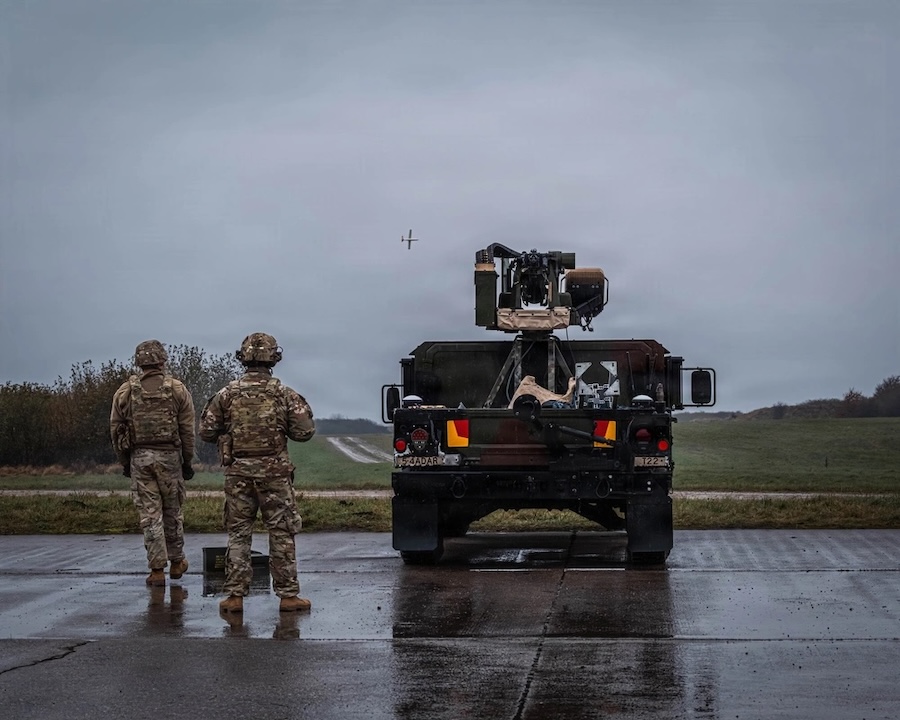
Conducted by V Corps with U.S. and partner nation forces, Project Flytrap aims to identify capability gaps, assess new technologies and refine tactics for multinational operations. Recent iterations in Germany and Poland also support the Eastern Flank Deterrence Line concept by bringing allied forces together to evaluate systems under operational stress.
Army teams worked with V Corps to assess how the Integrated Sensor Architecture could address data-sharing and interoperability challenges identified in earlier Flytrap events. Developed by Capability Program Executive – Intelligence, Electronic Warfare and Sensors, the framework connects sensors and networks using standardised, open-architecture data formats.
“The goal is a plug and play environment where partner nations can bring in their sensors and contribute to a common operating picture,” said Russell Nadler, a Technical Program Integrator with CPE IEW&S’ Integration Directorate. “ISA can be the enabler that helps pass sensor data seamlessly between allied and U.S. systems.”
Previous Flytrap iterations highlighted limitations in existing networks when integrating multiple sensors and processing large volumes of data in real time. “For us, Flytrap really highlighted the importance of having an architecture that could scale and adapt as systems were added,” said Maj. Oniel Rhooms, Project Flytrap Network Integration Lead for V Corps.
Rhooms noted that by the 4.5 iteration, the architecture had matured sufficiently to support integration rather than hinder it. “By the time we got to 4.5, ISA had matured to a point where it could actually enable that integration instead of becoming another barrier,” he said.
Using open data standards, ISA allowed radar, optical, infrared and acoustic sensor data from different sources to flow into a shared environment without custom interfaces. “ISA wasn’t just part of the network, it was also part of how we validated vendors,” Rhooms said.
“It helped us determine early on whether systems could actually connect and deliver what they claimed, which saved time and reduced risk once we went live,” he added. He also highlighted the value of on-site support, saying, “The people mattered just as much as the technology.”
As adversary drone tactics continue to evolve, the Army sees exercises such as Flytrap as essential for testing capabilities under real-world conditions. Following Flytrap 4.5, V Corps and CPE IEW&S plan to continue refining how ISA supports interoperable counter-UAS and sensing operations across Europe.