Personnel from U.S. Strategic Command components and subordinate units are participating across the strategic enterprise. The command said the exercise was not a response to any nation, other actors or current world events.
Global Thunder combines command-post exercises with unit activities to rehearse operational planning and mission execution. It tests coordination between personnel and procedures at different levels of command.
Reliable communications are central to maintaining control of nuclear forces during a crisis. Those networks carry information and orders between national authorities, military commanders and operational units.
U.S. Strategic Command said the exercise aims to maintain a safe, secure, effective and credible strategic deterrent. Its announcement did not specify the duration, participating aircraft or operating locations.
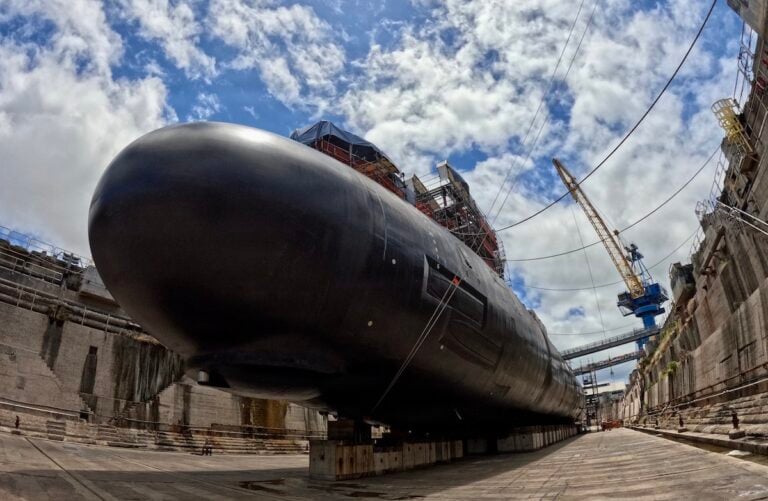
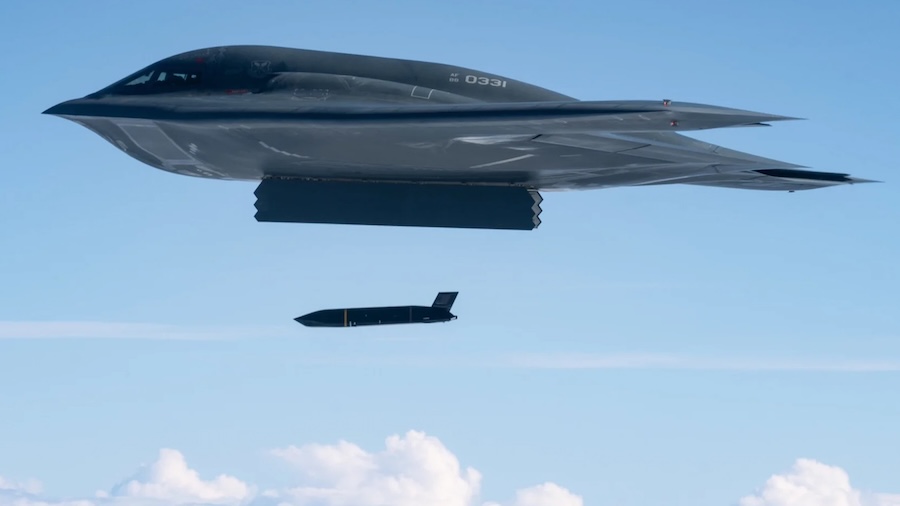
The U.S. nuclear triad consists of silo-based Minuteman III intercontinental ballistic missiles, Ohio-class submarines carrying Trident II D5 missiles, and nuclear-capable B-52H Stratofortress and B-2A Spirit bombers. The different delivery systems help preserve a retaliatory capability if part of the force is attacked.
That structure reduces the risk that an adversary could eliminate the entire strategic force in a first strike. The prospect of surviving forces retaliating is a central element of nuclear deterrence.
NATO cooperation in previous editions
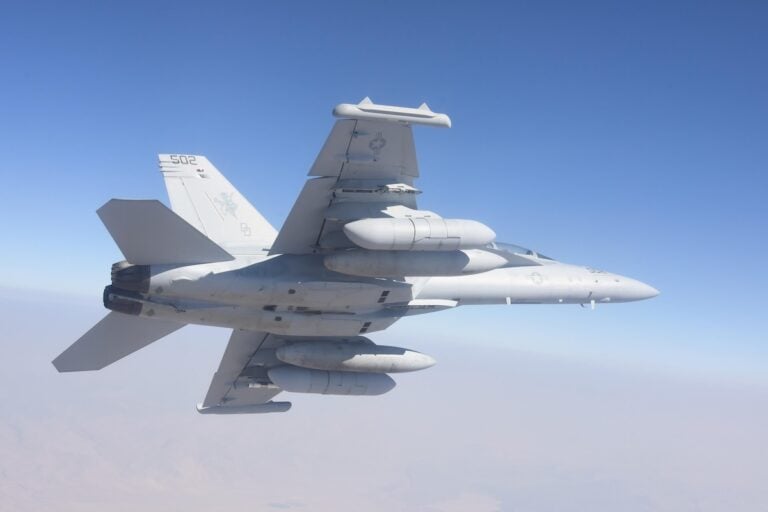
Earlier Global Thunder exercises included U.S. strategic bomber operations over Europe with NATO air forces. During Global Thunder 20 in October 2019, B-2A and B-52H bombers took part in flights that included escorts by Polish F-16s.
Those operations practised allied coordination and demonstrated U.S. capacity to meet its defense commitments. The latest announcement did not identify any allied participation in Global Thunder 27.