


The investment aligns with the government’s strategy to establish the UK as a key player in the global space industry. By supporting the development of homegrown rocket technology, the initiative aims to facilitate regular orbital launches from British soil, strengthening the country’s position in the European space sector.
Orbex, the only UK-owned launch services provider, is currently developing small and medium-sized space rockets. Initial launch operations will take place from SaxaVord Spaceport in Shetland, positioning the UK as a competitive destination for commercial satellite launches.
Technology Secretary Peter Kyle highlighted the significance of the investment, stating that it would help the UK become a leading hub for small satellite launches in Europe. He emphasised that the initiative would create highly skilled jobs, attract investment, and inspire the next generation of space professionals.
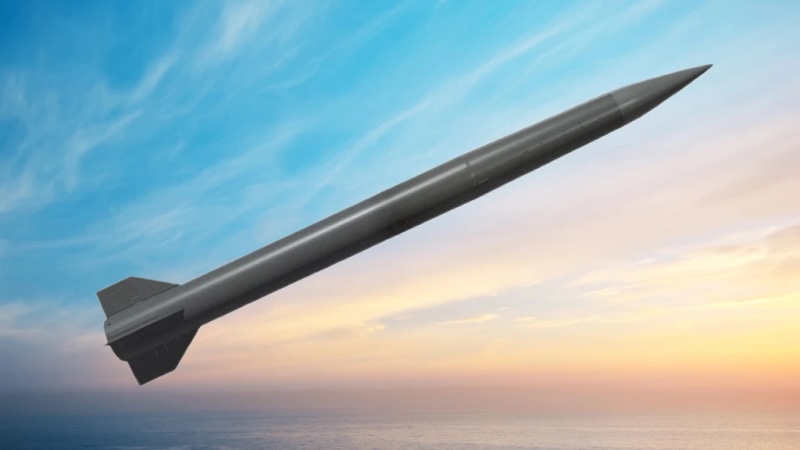
The funding will accelerate the development of Prime, Orbex’s 19-metre, two-stage rocket designed to transport small satellites into Low Earth Orbit. The company is currently conducting intensive testing and anticipates launching its first Prime rocket towards the end of 2025.
Orbex CEO Phillip Chambers welcomed the investment, describing it as a demonstration of the government’s confidence in UK rocket manufacturing and launch capabilities. He noted that this support would not only enable the company’s first launch but also pave the way for the development of a larger rocket to compete in the European Launcher Challenge.
Other investors contributing to Orbex’s Series D round include the Export & Investment Fund of Denmark (EIFO), venture capital firm Octopus Ventures, and private investor Sohaib Abbasi. With the fundraising round still open, Orbex is actively seeking additional investors to support its future growth.
Orbex’s technology is underpinned by two active patents in Europe and the United States, covering various aspects of its rocket design. The company’s rockets use bio-propane, a renewable fuel that significantly reduces carbon emissions compared to other similarly sized rockets.